
半胱氨酸亚磺酸和亚磺酰化肽。
Cysteine sulfinic acid and sulfinylated peptides.
作者信息
Hayward Laura, Baud Matthias G J
机构信息
School of Chemistry and Chemical Engineering, University of Southampton Southampton SO17 1BJ UK
出版信息
RSC Chem Biol. 2025 May 9. doi: 10.1039/d5cb00040h.
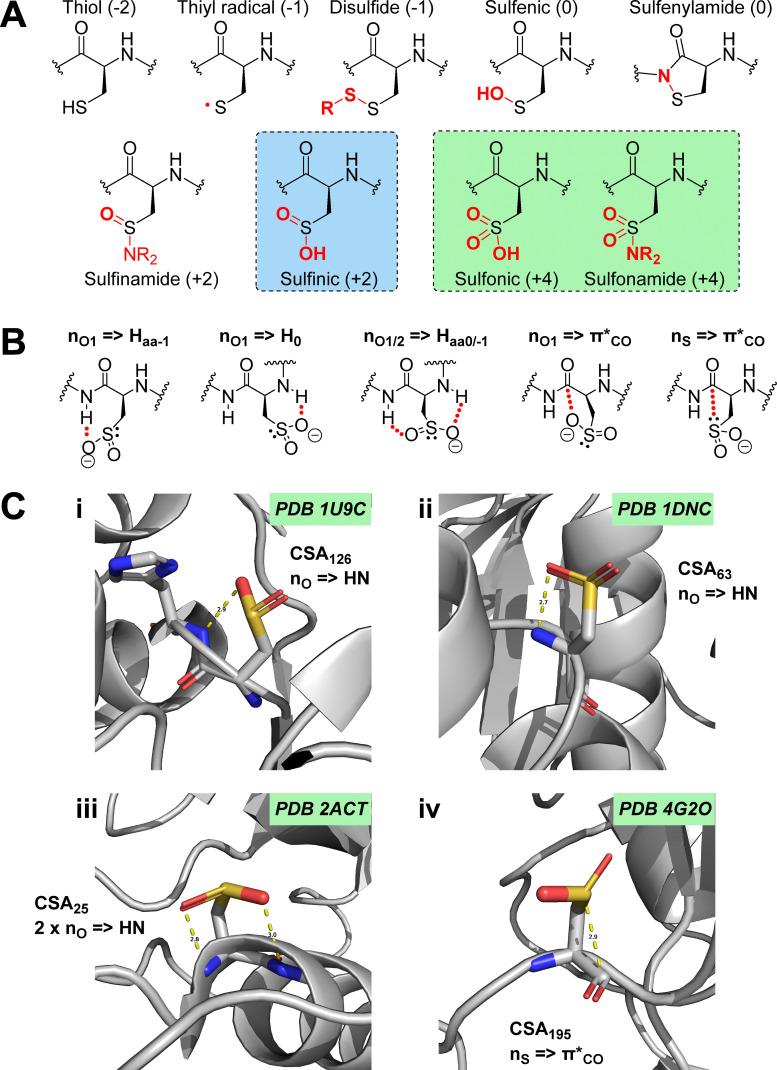
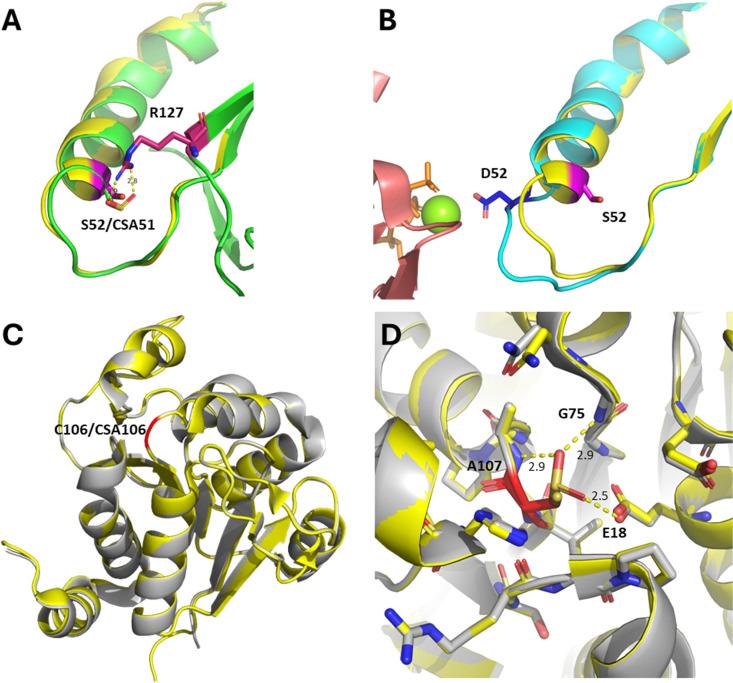
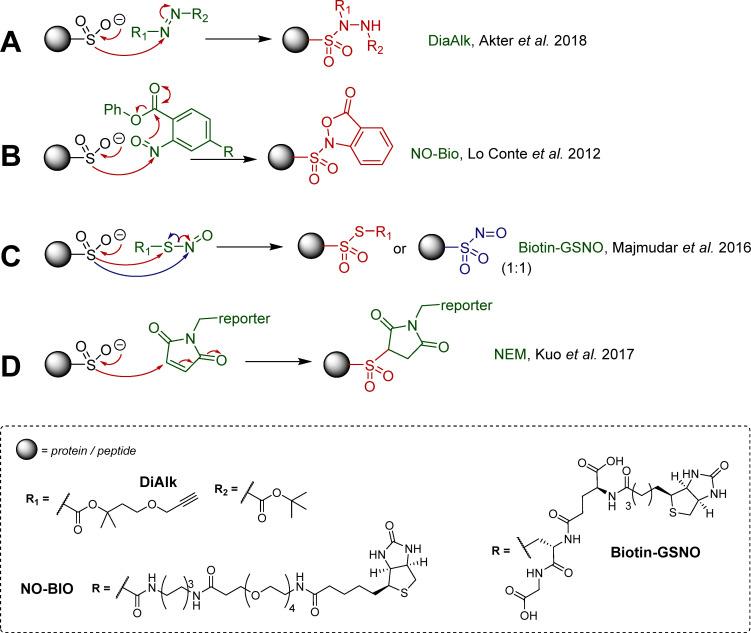
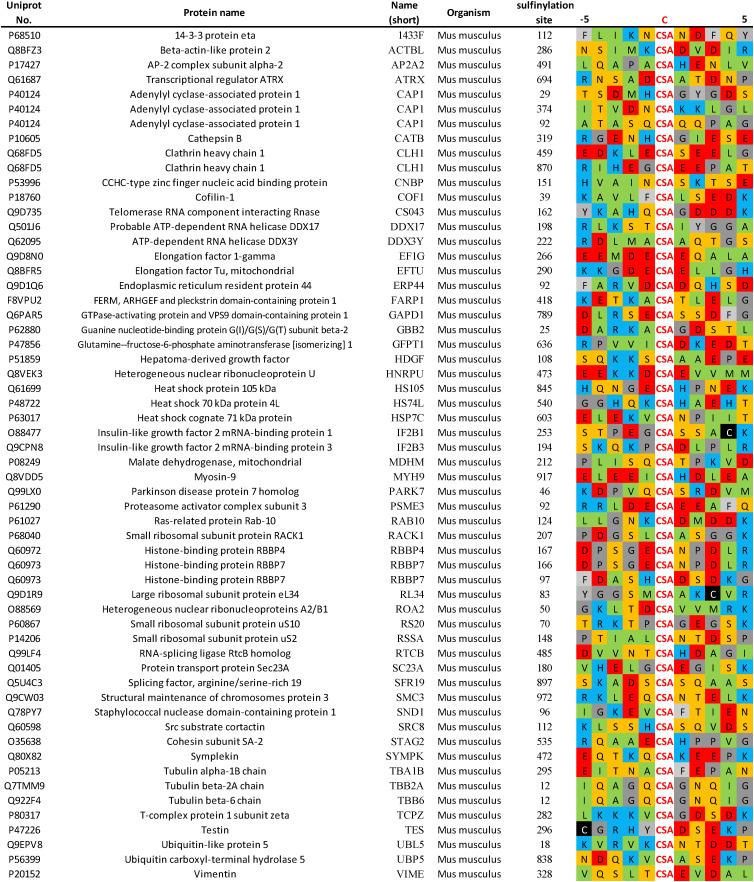
Cysteine sulfinic acid (CSA) is a stable post translational modification in nature. While long considered to be an irreversible by-product of accidental overoxidation of the cysteine sulfur, evidence in the last two decades has accumulated for its role in numerous and tightly regulated mechanisms. Proteomics studies in the last two decades have identified CSA in hundreds of cellular proteins, highlighting its omnipresence at the core of the cysteine redoxome. Elsewhere, structural studies have shed initial light on the molecular mechanisms underlying CSA reduction by the sulfiredoxin (Srx) enzyme. While peroxiredoxins have for a long time been the only known substrates to be turned over by Srx, recent studies have uncovered a plethora of potential new substrates of Srx, opening new avenues of investigation in fundamental biology, but also possibly opening new opportunities for developing novel medicines targeting the redoxome, especially in cancer and neurodegeneration. This review first summarises important knowledge surrounding the stereo-electronics and biochemical properties of CSA, including how it is reduced by Srx. In a second part, it highlights the chemical methods recently developed for CSA characterisation, with important examples of electrophilic probes for CSA covalent adduct formation. Crucially, biochemical studies of CSA and its peptides have historically proven difficult, in great part due to the limitations associated with the few existing synthetic methods available. Here, we also provide a summary of synthetic methods currently available for CSA incorporation into peptides, and their current limitations.
半胱氨酸亚磺酸(CSA)是一种天然存在的稳定的翻译后修饰。长期以来,它一直被认为是半胱氨酸硫意外过度氧化产生的不可逆副产物,但在过去二十年中,越来越多的证据表明它在众多严格调控的机制中发挥作用。过去二十年的蛋白质组学研究已在数百种细胞蛋白质中鉴定出CSA,凸显了其在半胱氨酸氧化还原组核心位置的普遍存在。在其他方面,结构研究初步揭示了硫氧还蛋白还原酶(Srx)还原CSA的分子机制。虽然过氧化物酶长期以来一直是已知的唯一能被Srx周转的底物,但最近的研究发现了大量潜在的Srx新底物,这不仅为基础生物学研究开辟了新途径,也可能为开发针对氧化还原组的新型药物带来新机遇,尤其是在癌症和神经退行性疾病领域。本综述首先总结了围绕CSA立体电子学和生化特性的重要知识,包括它如何被Srx还原。第二部分重点介绍了最近开发的用于CSA表征的化学方法,以及用于形成CSA共价加合物的亲电探针的重要示例。至关重要的是,对CSA及其肽的生化研究历来都很困难,很大程度上是由于现有合成方法有限所带来的局限性。在此,我们还总结了目前可用于将CSA掺入肽中的合成方法及其当前的局限性。




 Zotero 插件