
对海滨大戟的植物化学、生物学、密度泛函理论(DFT)及分子对接评估
Phytochemical, biological, DFT, and molecular docking evaluation of Euphorbia paralias.
作者信息
Kamel Abdullah I, Badawy Safa A, Abdel-Mogib Mamdouh, El-Rokh Ahmed Ramadan
机构信息
Chemistry Department, Faculty of Science, New Mansoura University, Mansoura, Egypt.
Chemistry Department, Faculty of Science, Mansoura University, Mansoura, 35516, Egypt.
出版信息
Sci Rep. 2025 May 23;15(1):17961. doi: 10.1038/s41598-025-02420-1.
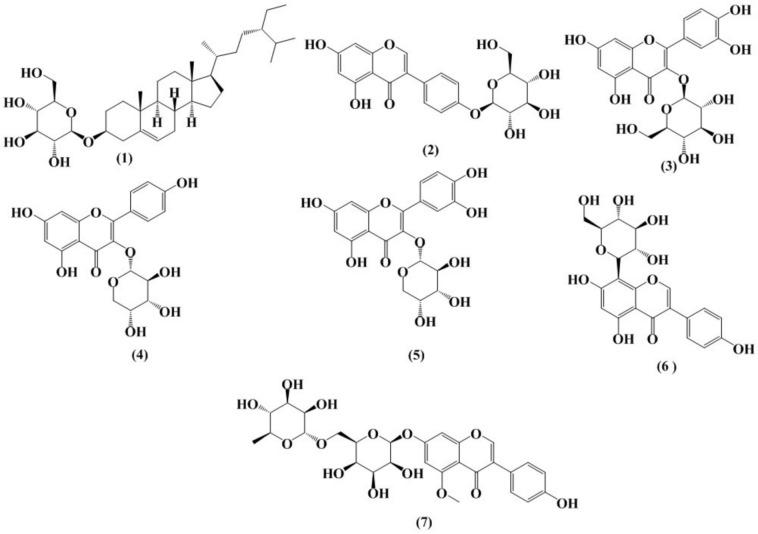
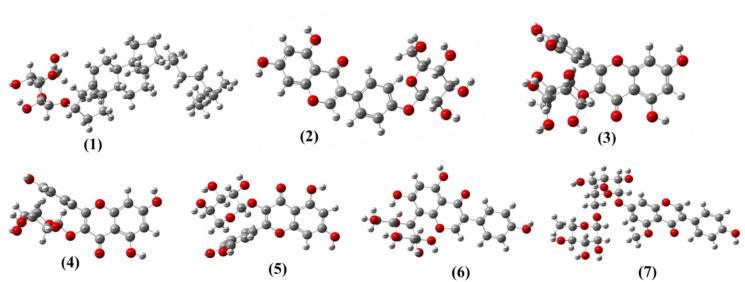
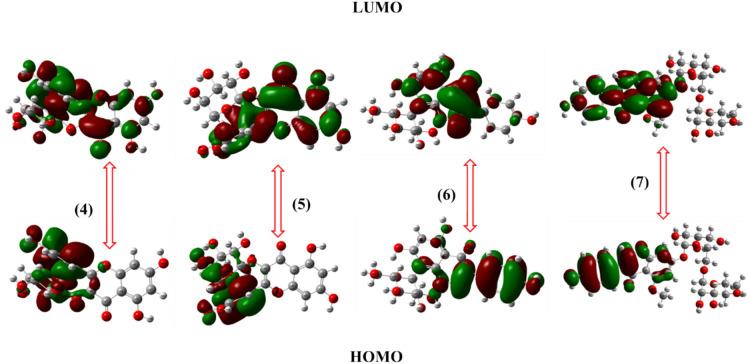
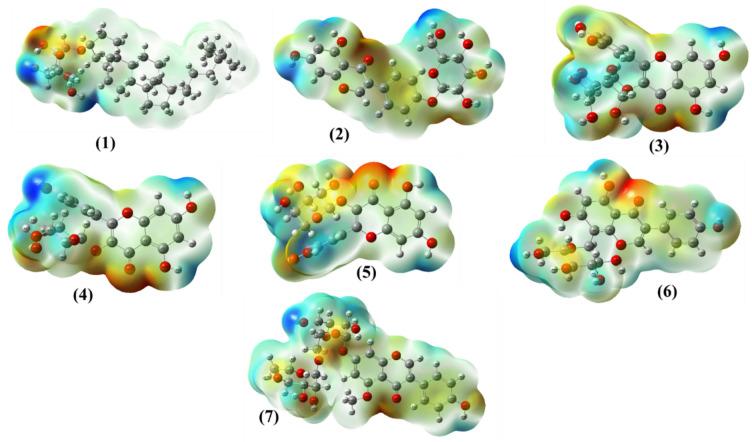
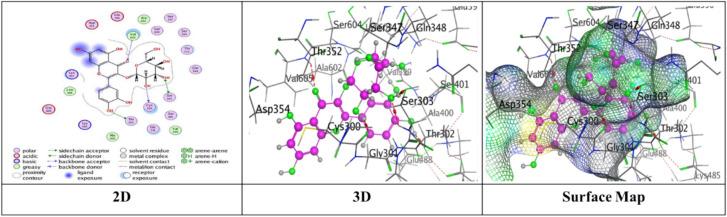
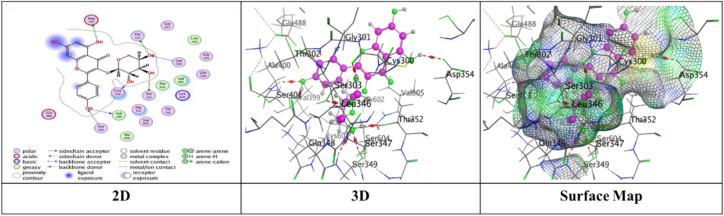
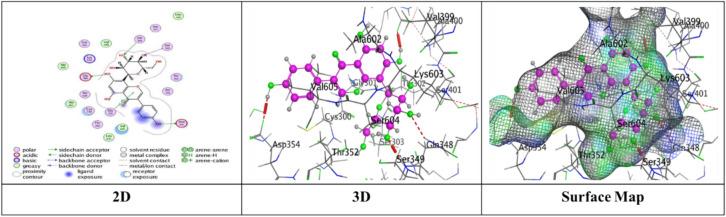
This study aimed to bridge the knowledge gap in the unclear previous studies of the molecular processes that cause the biological activities of Euphorbia paralias by integrating phytochemical analysis with quantum chemical calculations and molecular docking investigations, providing unprecedented insights into the therapeutic potential of its chemical constituents. Seven important flavonoids were isolated and identified using spectroscopic techniques, and 34 and 13 additional compounds were identified via GC/MS analysis of the hexane and chloroform fractions, respectively. The crude methanol extract, some fractions, and isolated compounds were screened for antimicrobial activity against Gram-positive and Gram-negative bacteria. Among the tested constituents, β-sitosterol-3-O-β-D-glucoside 1, kaempferol-3-O-α-D-arabinopyranoside 4, and genistein-8-β-C-glucoside 6, as well as the chloroform and ethyl acetate fractions, demonstrated notable broad-spectrum antibacterial activity. The insecticidal activities of the butanol fraction and a combination of genistein-4'-O-β-D-glucopyranoside 2 and quercetin-3-O-β-D-glucoside 3 significantly inhibited Aphis gossypii and Amrasca biguttula, with LC values of 397.39 ppm and 332.92 ppm, respectively. DFT calculations at the B3LYP/6-31G(d) level revealed that hirsutissimiside B 7 exhibited the lowest HOMO-LUMO gap (1.643 eV), highest dipole moment (7.562 Debye), and lowest chemical hardness (0.821 eV), suggesting enhanced chemical reactivity and bioactivity. Molecular docking simulations revealed the strong binding affinities of the active compounds to key microbial and insecticidal target proteins. The high degree of concordance between computational predictions and experimental bioactivity results reinforces the therapeutic potential of these natural products. These findings highlight the synergistic value of integrating quantum chemical calculations, molecular modeling, and biological assays to advance natural product-based drug discovery and pest control strategies.
本研究旨在通过将植物化学分析与量子化学计算及分子对接研究相结合,弥补以往关于导致大戟生物活性的分子过程的研究中存在的知识空白,从而为其化学成分的治疗潜力提供前所未有的见解。采用光谱技术分离并鉴定了七种重要的黄酮类化合物,通过对己烷和氯仿馏分的气相色谱/质谱分析分别鉴定了另外34种和13种化合物。对粗甲醇提取物、一些馏分和分离出的化合物进行了针对革兰氏阳性和革兰氏阴性细菌的抗菌活性筛选。在所测试的成分中,β-谷甾醇-3-O-β-D-葡萄糖苷1、山奈酚-3-O-α-D-阿拉伯吡喃糖苷4、染料木素-8-β-C-葡萄糖苷6以及氯仿和乙酸乙酯馏分表现出显著的广谱抗菌活性。正丁醇馏分以及染料木素-4'-O-β-D-葡萄糖苷2和槲皮素-3-O-β-D-葡萄糖苷3的组合的杀虫活性显著抑制棉蚜和棉叶蝉,LC值分别为397.39 ppm和332.92 ppm。在B3LYP/6-31G(d)水平上的密度泛函理论计算表明,多毛大戟苷B 7表现出最低的最高占据分子轨道-最低未占据分子轨道能隙(1.643 eV)、最高的偶极矩(7.562德拜)和最低的化学硬度(0.821 eV),表明其化学反应性和生物活性增强。分子对接模拟揭示了活性化合物与关键微生物和杀虫靶蛋白的强结合亲和力。计算预测与实验生物活性结果之间的高度一致性强化了这些天然产物的治疗潜力。这些发现突出了整合量子化学计算、分子建模和生物测定以推进基于天然产物的药物发现和害虫控制策略的协同价值。







 Zotero 插件