
马铃薯鲜湿粉条中腐败真菌的分离鉴定及不同杀菌剂对腐败真菌的抑制作用
Isolation and Identification of Spoilage Fungi in Potato Fresh Wet Vermicelli and Inhibition Effect of Different Fungicides on Spoilage Fungi.
作者信息
Zhang Feng, Li Mei, Tian Jiachun, Ge Xia, Li Shouqiang, Chen Jianxin, Li Yumei, Zhang Yaqian
机构信息
Agricultural Product Storage and Processing Research Institute, Gansu Academy of Agricultural Sciences, Lanzhou 730070, China.
Gansu Innovation Center of Fruit and Vegetable Storage and Processing, Lanzhou 730070, China.
出版信息
J Fungi (Basel). 2025 May 8;11(5):367. doi: 10.3390/jof11050367.
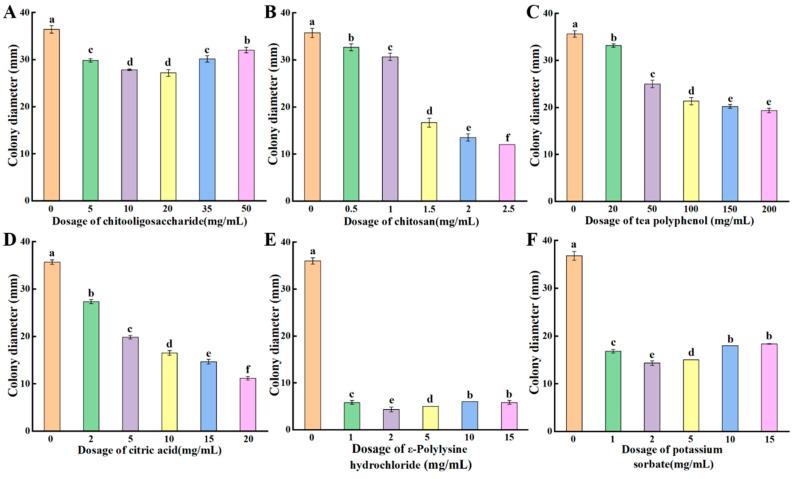
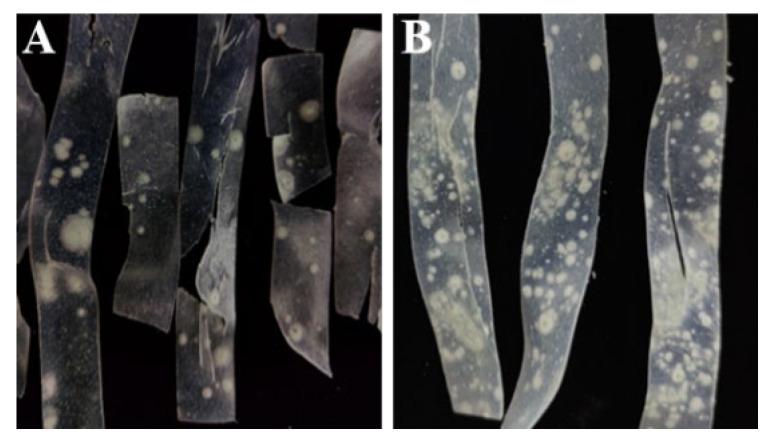
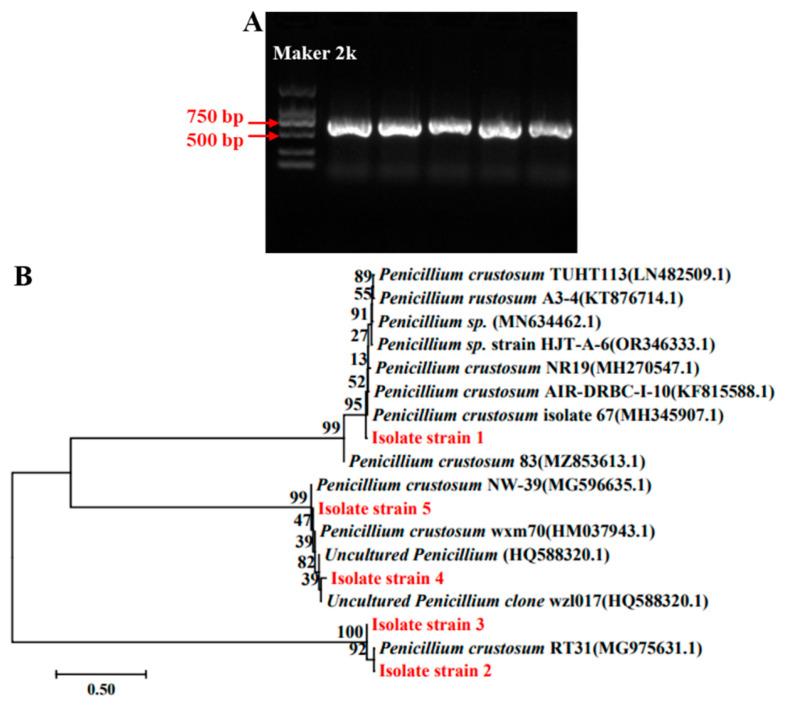
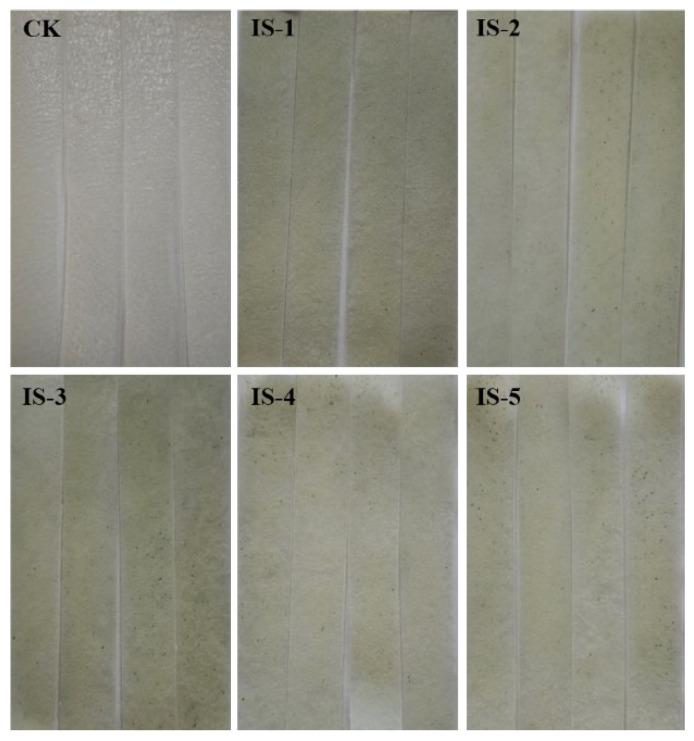
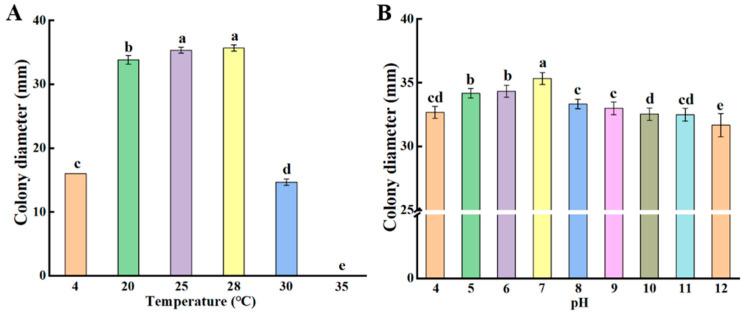
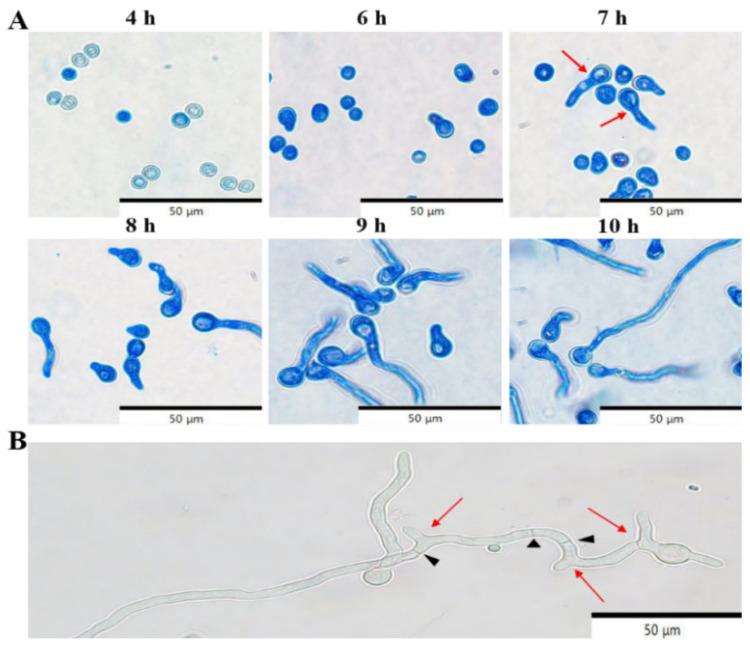
Fresh wet vermicelli is highly susceptible to microbial contamination during storage as a result of its high moisture content and rich nutrients, which leads to spoilage and deterioration. In addition to exerting a great impact on the quality of the product, this results in significant economic losses and potential food safety risks. This work aimed to identify spoilage microorganisms via traditional culturing methods and molecular biology techniques. The effects of environmental factors such as temperature and pH on the growth and development of the dominant spoilage fungi were investigated, and the inhibitory effects of both chemical (potassium sorbate) and natural antimicrobial agents (chitooligosaccharides, chitosan, tea polyphenols, citric acid, and ε-polylysine hydrochloride) were evaluated. The results indicated that was the major spoilage microorganism in fresh wet vermicelli, whose optimal growth temperature and pH was 28 °C and 7, respectively. While conidial germination began at 7 h, hyphal formation was only observed after 12 h. Moreover, the findings suggest that both natural and chemical antimicrobial agents can effectively inhibit the growth of with ε-polylysine hydrochloride being the strongest antimicrobial agent. Overall, the findings of this study provide a scientific foundation for improving the preservation of fresh wet vermicelli, which is of great significance for extending its shelf life and enhancing food safety.
新鲜湿米粉由于含水量高且营养丰富,在储存过程中极易受到微生物污染,从而导致变质和腐败。这不仅对产品质量产生重大影响,还会造成重大经济损失和潜在的食品安全风险。这项工作旨在通过传统培养方法和分子生物学技术鉴定腐败微生物。研究了温度和pH值等环境因素对优势腐败真菌生长发育的影响,并评估了化学防腐剂(山梨酸钾)和天然抗菌剂(壳寡糖、壳聚糖、茶多酚、柠檬酸和ε-聚赖氨酸盐酸盐)的抑制作用。结果表明, 是新鲜湿米粉中的主要腐败微生物,其最佳生长温度和pH值分别为28℃和7。虽然分生孢子在7小时开始萌发,但直到12小时才观察到菌丝形成。此外,研究结果表明,天然和化学抗菌剂都能有效抑制 的生长,其中ε-聚赖氨酸盐酸盐是最强的抗菌剂。总体而言,本研究结果为改善新鲜湿米粉的保鲜提供了科学依据,这对于延长其保质期和提高食品安全具有重要意义。

 Zotero 插件