
岩藻依聚糖的体内神经保护和抗炎活性——蛋白质组学研究
Neuroprotective and Anti-Inflammatory Activity of Fucoidan In Vivo-A Proteomic Investigation.
作者信息
Yang Cheng, Dwan Corinna, Wimmer Barbara C, Ronci Maurizio, Wilson Richard, Johnson Luke, Caruso Vanni
机构信息
School of Pharmacy and Pharmacology, University of Tasmania, Hobart, TAS 7005, Australia.
Marinova Pty Ltd., 249 Kennedy Drive, Cambridge, TAS 7170, Australia.
出版信息
Mar Drugs. 2025 Apr 27;23(5):189. doi: 10.3390/md23050189.
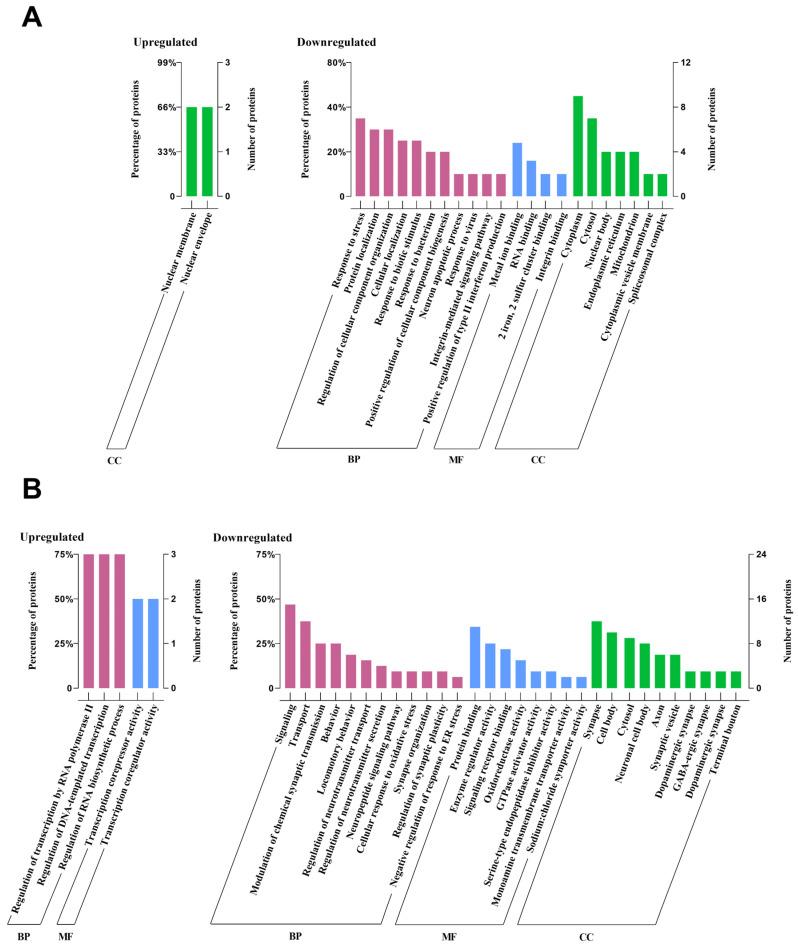
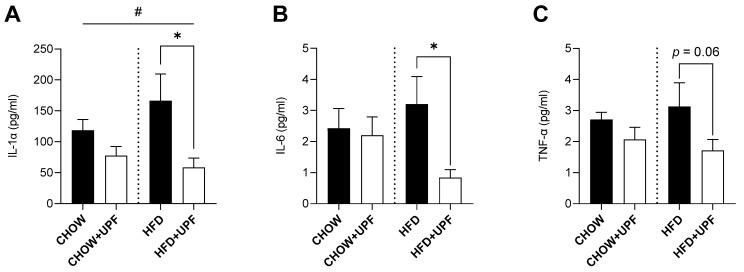
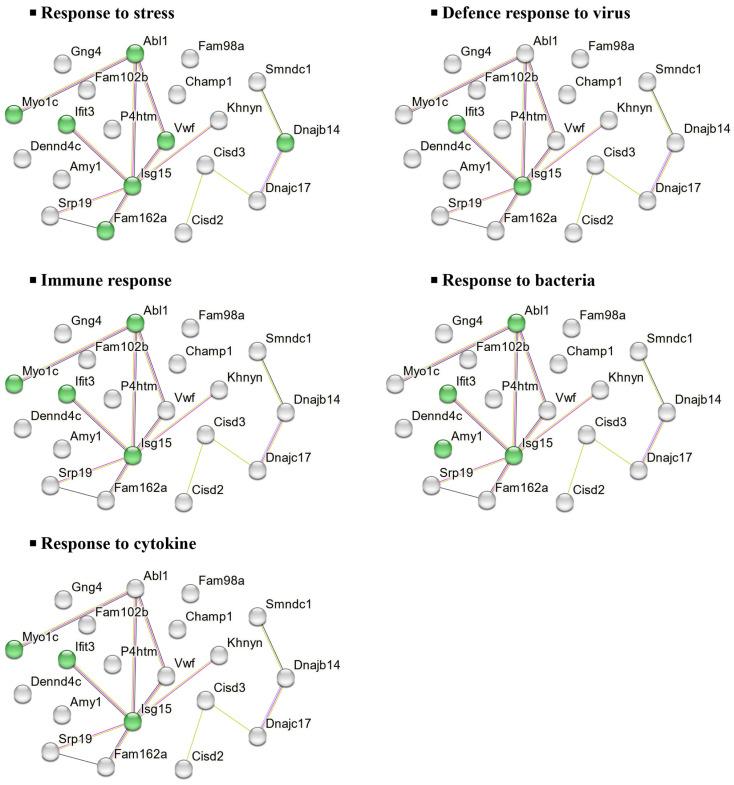
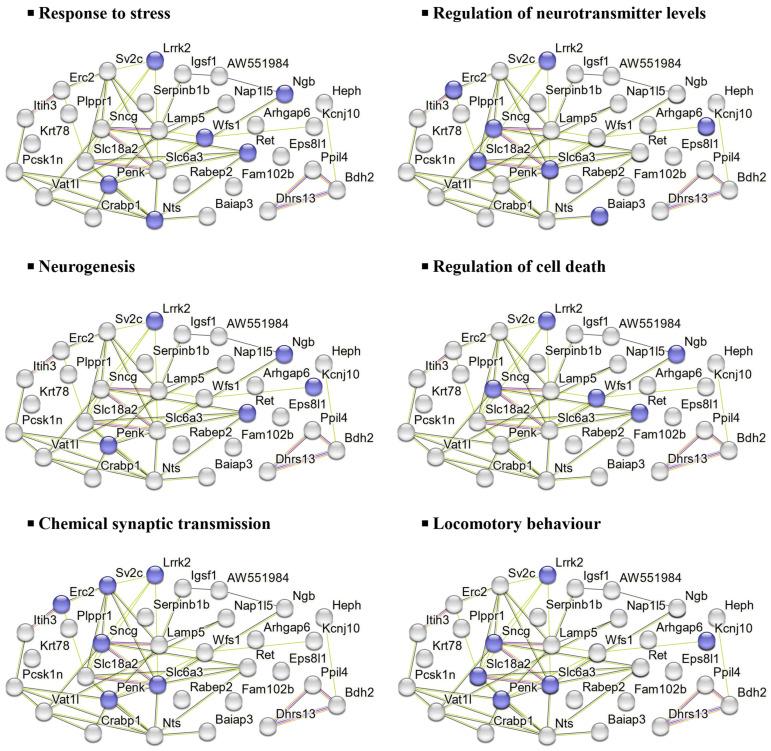
fucoidan (UPF), a bioactive sulphated polysaccharide, is widely recognised for its anti-inflammatory, antioxidant, antitumor, anticoagulant, antiviral, and immunomodulatory properties. However, the precise mechanisms by which UPF regulates inflammation and neuronal health remain unclear. This study aimed to investigate the effects of UPF supplementation on pro-inflammatory cytokines in skeletal muscle, small intestine, and the hypothalamus, as well as plasma cytokine levels. Additionally, a brain proteomic investigation in the nucleus accumbens (NAc) was performed to assess UPF's impact on neuronal protein expression in mice. A total of 64 C57BL/6J mice were administered either a standard chow or high-fat diet (HFD) with or without UPF (400 mg/kg/day) for 10 weeks. In HFD-fed mice, UPF significantly reduced the expression of pro-inflammatory cytokines (TNF-α, IL-1β, and IL-6) in skeletal muscle, small intestine, and hypothalamus, while also lowering circulating IL-1α and IL-6 levels. Proteomic analysis of the NAc revealed that UPF modulated proteins involved in oxidative stress, neuroinflammation, neurotransmitter regulation, and endoplasmic reticulum stress. In contrast, in chow-fed mice, UPF had no effect on the neuroinflammatory-oxidative stress markers but influenced the abundance of proteins associated with immune response and innate immunity. These findings suggest that UPF modulates stress-response pathways in a diet-dependent manner, supporting its potential neuroprotective role in inflammation-related disorders and brain health.
岩藻依聚糖(UPF)是一种具有生物活性的硫酸化多糖,因其抗炎、抗氧化、抗肿瘤、抗凝血、抗病毒和免疫调节特性而被广泛认可。然而,UPF调节炎症和神经元健康的确切机制仍不清楚。本研究旨在调查补充UPF对骨骼肌、小肠和下丘脑促炎细胞因子以及血浆细胞因子水平的影响。此外,还对伏隔核(NAc)进行了脑蛋白质组学研究,以评估UPF对小鼠神经元蛋白表达的影响。总共64只C57BL/6J小鼠被给予标准饲料或高脂饮食(HFD),并分别添加或不添加UPF(400毫克/千克/天),持续10周。在喂食HFD的小鼠中,UPF显著降低了骨骼肌、小肠和下丘脑中促炎细胞因子(TNF-α、IL-1β和IL-6)的表达,同时也降低了循环中的IL-1α和IL-6水平。NAc的蛋白质组学分析表明,UPF调节了参与氧化应激、神经炎症、神经递质调节和内质网应激的蛋白质。相比之下,在喂食标准饲料的小鼠中,UPF对神经炎症-氧化应激标志物没有影响,但影响了与免疫反应和先天免疫相关的蛋白质丰度。这些发现表明,UPF以饮食依赖的方式调节应激反应途径,支持其在炎症相关疾病和脑健康中的潜在神经保护作用。



 Zotero 插件