
包封提高了喷雾干燥的乳酸乳球菌A12在鱼饲料中的生存能力和稳定性。
Encapsulation improves viability and stability of spray-dried Lactococcus lactis A12 for inclusion in fish feed.
作者信息
Valle Vargas Marcelo Fernando, Ruiz Pardo Ruth Yolanda, Villamil-Díaz Luisa, Alean Jader, Santagapita Patricio Román, Quintanilla-Carvajal María Ximena
机构信息
Grupo de Investigación en Procesos Agroindustriales (GIPA), Doctorado en Biociencias, Facultad de Ingeniería, Universidad de La Sabana. Campus del Puente del Común, Km. 7, Autopista Norte de Bogotá, Chía, Cundinamarca, Colombia.
Universidad de La Guajira, Facultad de Ingeniería, Riohacha, La Guajira, Colombia.
出版信息
PLoS One. 2025 May 27;20(5):e0323000. doi: 10.1371/journal.pone.0323000. eCollection 2025.
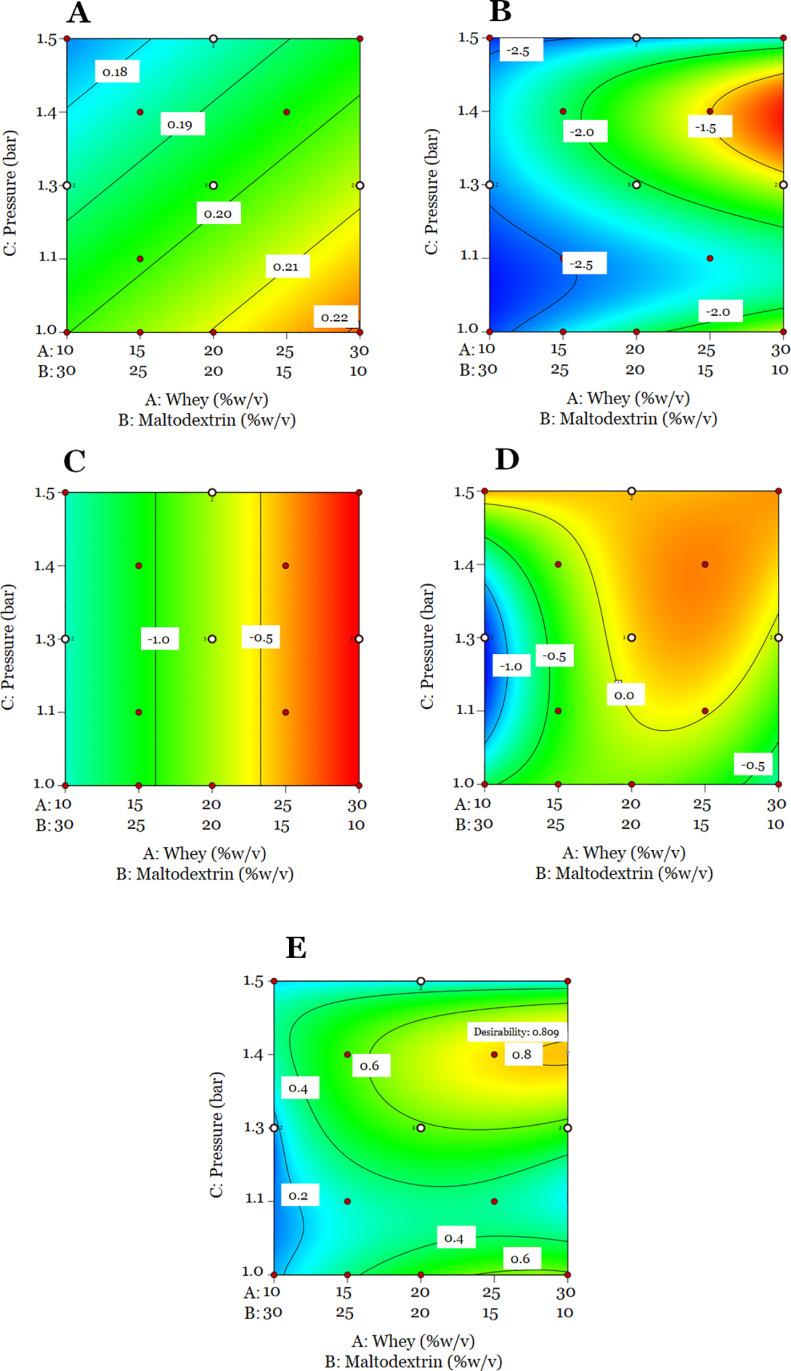
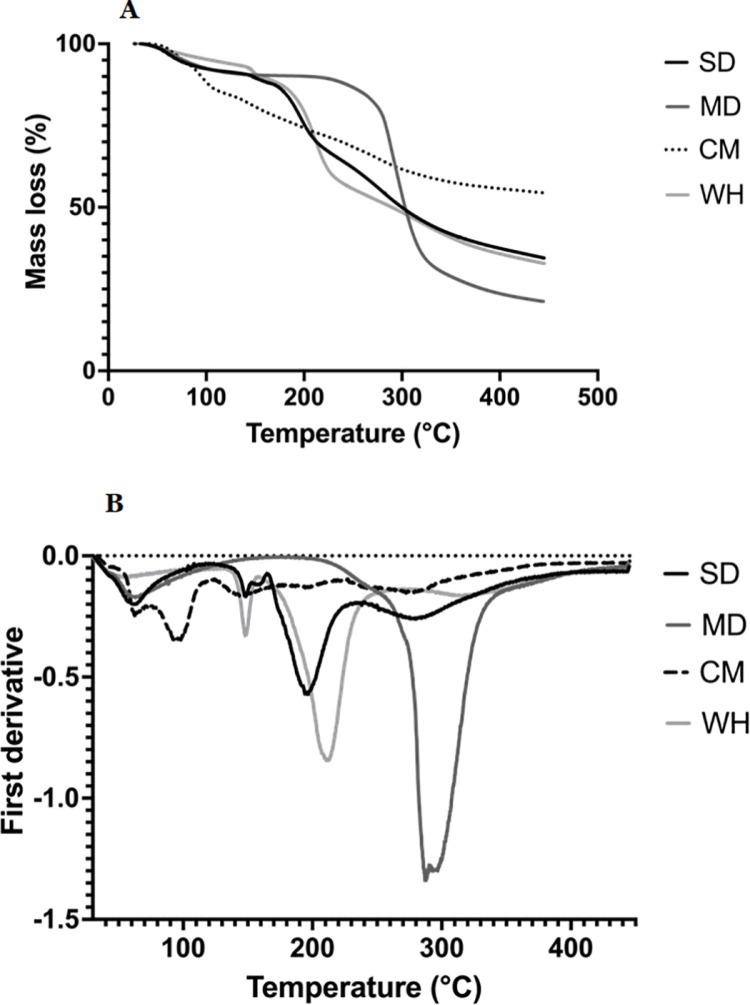
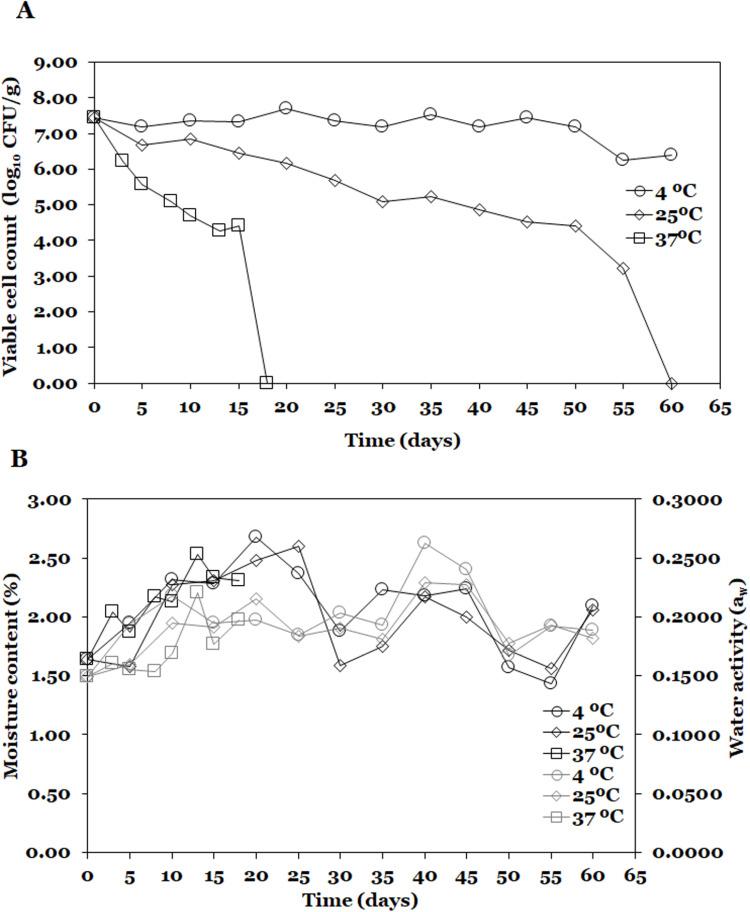
During probiotics manufacturing, drying is a crucial process for stabilization of probiotics after fermentation, since drying condition could affect viability and functionality as well as physical properties such as moisture content and water activity, which play key role in stability of dried probiotics during storage. Therefore, this study aimed to evaluate the effect of spray-drying parameters on the survival of Lactococcus lactis A12 after drying and exposure to gastrointestinal conditions. A combined mixture-process design was carried out by evaluating three factors: whey (10-30% w/v), maltodextrin (10-30% w/v), and atomization pressure (1.0-1.5 bar). As the main results, a high concentration of whey (30% w/v), low concentration of maltodextrin (10% w/v), and high atomization pressure (1.4 bar) improved survival of spray-dried L. lactis A12 after drying and exposure to pH 3.00 or bile salts with survival rates ranged within 69.25 to 86.24%, 65.89-98.93%, and 89.09-100%, respectively. Under optimal conditions, spray-dried probiotic powder with wall materials (encapsulated) exhibited higher glass transition temperature (64.44 vs 12.65 °C), and lower hygroscopicity (12.65 vs 64.44%) than spray-dried probiotic without wall materials (non-encapsulated). Moreover, SD probiotic powder exhibited the highest survival rate (85.88%) at 4 °C during 60 days of storage in comparison to 25 °C and 37 °C which did not survive. Finally, spray-dried L. lactis A12 was included in fish feed and exhibited a survival rate of 80.83% when it was stored at 4 °C after 60 days. It can be concluded that the use of encapsulating materials, particularly whey and maltodextrin, improved the physical and thermal stability of L. lactis A12 powder during drying and storage. Also, the results from the stability of supplemented fish feed suggested that L. lactis A12 could be included in fish feed.
在益生菌生产过程中,干燥是发酵后益生菌稳定化的关键过程,因为干燥条件会影响益生菌的活力和功能以及诸如水分含量和水分活度等物理性质,而这些性质在干燥益生菌储存期间的稳定性中起着关键作用。因此,本研究旨在评估喷雾干燥参数对乳酸乳球菌A12干燥后及暴露于胃肠道条件下存活情况的影响。通过评估三个因素进行了组合混合工艺设计:乳清(10 - 30% w/v)、麦芽糊精(10 - 30% w/v)和雾化压力(1.0 - 1.5 bar)。主要结果表明,高浓度乳清(30% w/v)、低浓度麦芽糊精(10% w/v)和高雾化压力(1.4 bar)可提高喷雾干燥的乳酸乳球菌A12在干燥后及暴露于pH 3.00或胆盐环境下的存活率,存活率分别在69.25%至86.24%、65.89 - 98.93%和89.09 - 100%范围内。在最佳条件下,含壁材(包封)的喷雾干燥益生菌粉比无壁材(未包封)的喷雾干燥益生菌表现出更高的玻璃化转变温度(64.44对12.65℃)和更低的吸湿性(12.65对64.44%)。此外,与在25℃和37℃下无法存活相比,喷雾干燥的益生菌粉在4℃下储存60天时表现出最高的存活率(85.88%)。最后,将喷雾干燥的乳酸乳球菌A12添加到鱼饲料中,在4℃下储存60天后存活率为80.83%。可以得出结论,使用包封材料,特别是乳清和麦芽糊精,可提高乳酸乳球菌A12粉末在干燥和储存期间的物理和热稳定性。此外,添加到鱼饲料中的稳定性结果表明乳酸乳球菌A12可添加到鱼饲料中。



 Zotero 插件