
小细胞肺癌中 LSD1 抑制反应性靶点的计算机模拟鉴定
In Silico Identification of LSD1 Inhibition-Responsive Targets in Small Cell Lung Cancer.
作者信息
Nalkiran Ihsan, Sevim Nalkiran Hatice, Ozcelik Neslihan, Kivrak Mehmet
机构信息
Department of Medical Biology, Faculty of Medicine, Recep Tayyip Erdogan University, 53020 Rize, Türkiye.
Department of Chest Diseases, Faculty of Medicine, Recep Tayyip Erdogan University, 53020 Rize, Türkiye.
出版信息
Bioengineering (Basel). 2025 May 10;12(5):504. doi: 10.3390/bioengineering12050504.
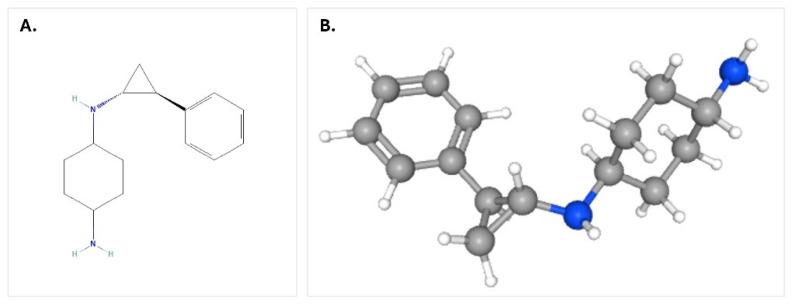
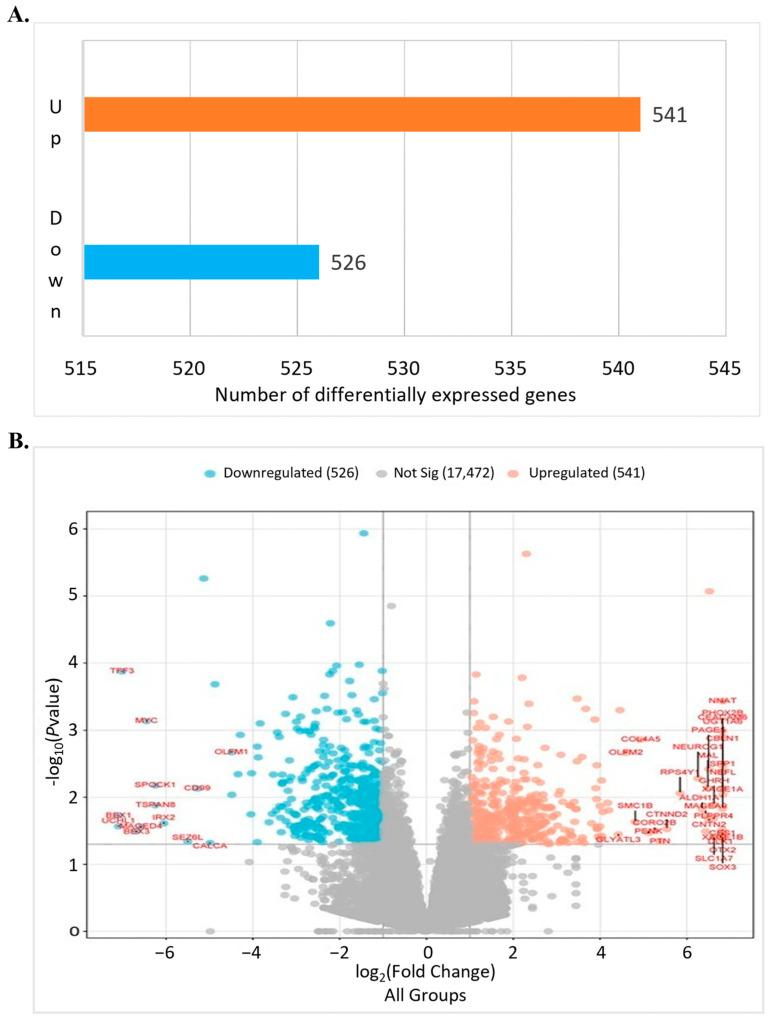
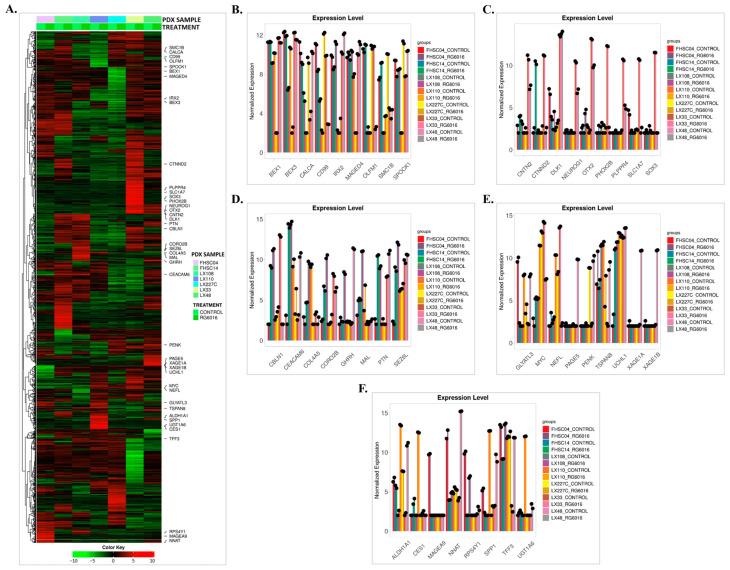
Small cell lung cancer (SCLC) is an aggressive neuroendocrine malignancy characterized by rapid progression, high metastatic potential, and limited therapeutic options. Lysine-specific demethylase 1 (LSD1) has been identified as a promising epigenetic target in SCLC. RG6016 (ORY-1001) is a selective LSD1 inhibitor currently under clinical investigation for its antitumor activity. In this study, publicly available RNA-Seq datasets from SCLC patient-derived xenograft (PDX) models treated with RG6016 were reanalyzed using bioinformatic approaches. Differential gene expression analysis was conducted to identify genes responsive to LSD1 inhibition. Candidate genes showing significant downregulation were further evaluated by molecular docking to assess their potential interaction with RG6016. The analysis identified a set of differentially expressed genes following RG6016 treatment, including notable downregulation of MYC, UCHL1, and TSPAN8. In silico molecular docking revealed favorable docking poses between RG6016 and the proteins encoded by these genes, suggesting potential direct or indirect targeting. These findings support a broader mechanism of action for RG6016 beyond its known interaction with LSD1. This study demonstrates that RG6016 may exert its antitumor effects through the modulation of additional molecular targets such as MYC, UCHL1, and TSPAN8 in SCLC. The combined bioinformatic and molecular docking analyses provide new insights into the potential multi-target profile of RG6016 and indicate the need for further experimental validation.
小细胞肺癌(SCLC)是一种侵袭性神经内分泌恶性肿瘤,其特点是进展迅速、转移潜力高且治疗选择有限。赖氨酸特异性去甲基化酶1(LSD1)已被确定为SCLC中有前景的表观遗传靶点。RG6016(ORY - 1001)是一种选择性LSD1抑制剂,目前正在进行临床研究以评估其抗肿瘤活性。在本研究中,我们使用生物信息学方法重新分析了来自接受RG6016治疗的SCLC患者来源异种移植(PDX)模型的公开RNA测序数据集。进行差异基因表达分析以鉴定对LSD1抑制有反应的基因。对显示出显著下调的候选基因通过分子对接进一步评估,以评估它们与RG6016的潜在相互作用。分析确定了RG6016治疗后一组差异表达基因,包括MYC、UCHL1和TSPAN8的显著下调。计算机模拟分子对接揭示了RG6016与这些基因编码的蛋白质之间有利的对接构象,表明潜在的直接或间接靶向作用。这些发现支持了RG6016除了其与LSD1的已知相互作用之外更广泛的作用机制。本研究表明,RG6016可能通过调节SCLC中的其他分子靶点如MYC、UCHL1和TSPAN8发挥其抗肿瘤作用。生物信息学和分子对接分析相结合为RG6016潜在的多靶点概况提供了新见解,并表明需要进一步的实验验证。





 Zotero 插件