
使用金纳米团簇修饰的金电极超灵敏同时检测水中的铅和镉。
Ultrasensitive simultaneous detection of lead and cadmium in water using gold nanocluster-modified gold electrodes.
作者信息
Jia Shunyao, Li Yuanping, Chen Yaoning, Wu Yanting, Zhou Tianyun, Chi Nianping, He GuoWen, Zhang Wei, Luo Wenqiang, Li Hao, Deng Yumei
机构信息
School of Municipal and Geomatics Engineering, Hunan City University Yiyang Hunan 413000 China
College of Environmental Science and Engineering, Hunan University and Key Laboratory of Environmental Biology and Pollution Control (Hunan University), Ministry of Education Changsha 410082 China
出版信息
RSC Adv. 2025 May 27;15(22):17535-17547. doi: 10.1039/d5ra02612a. eCollection 2025 May 21.
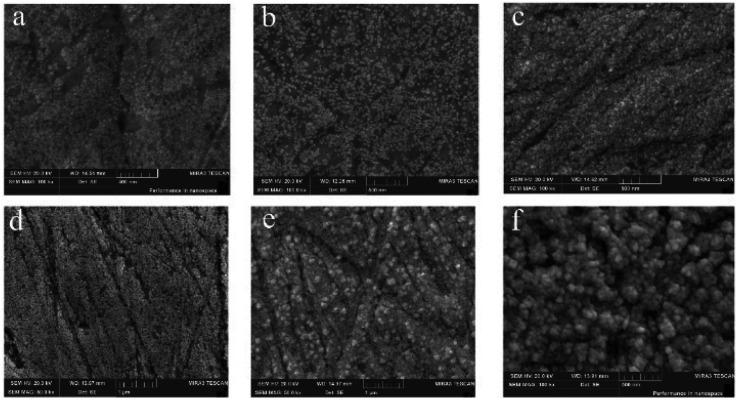
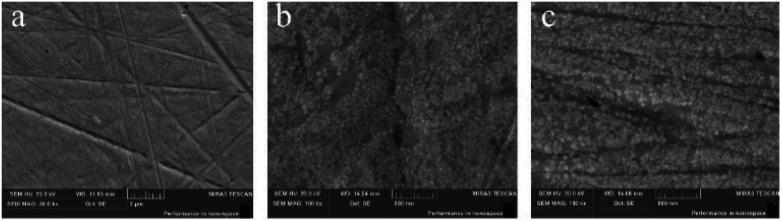
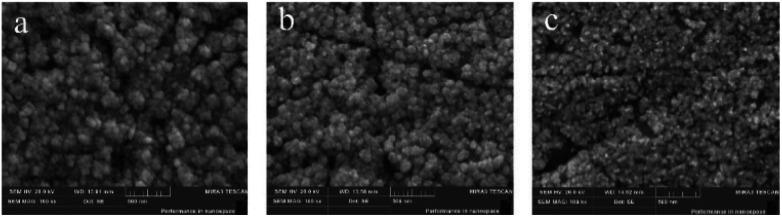
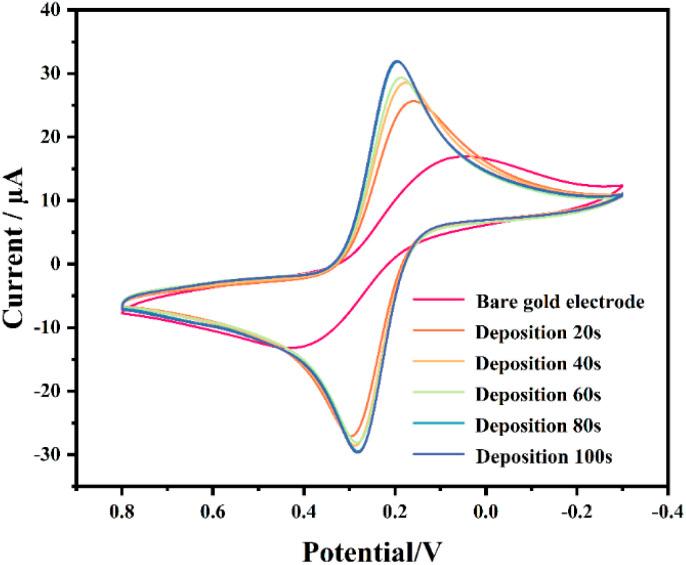
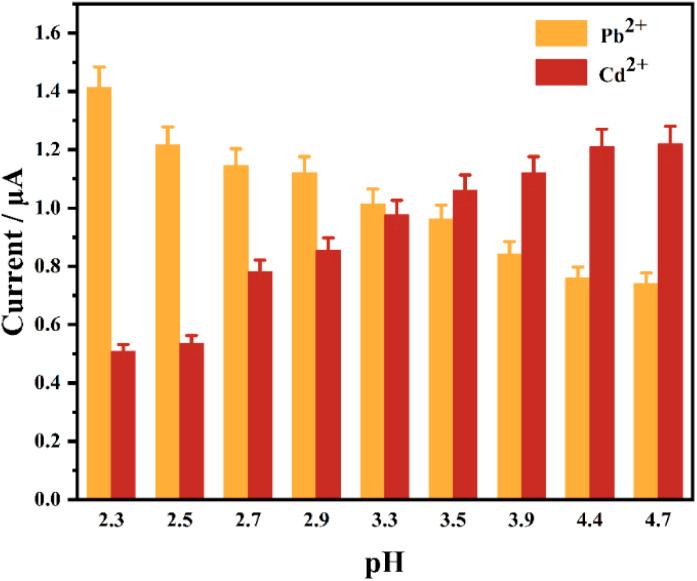
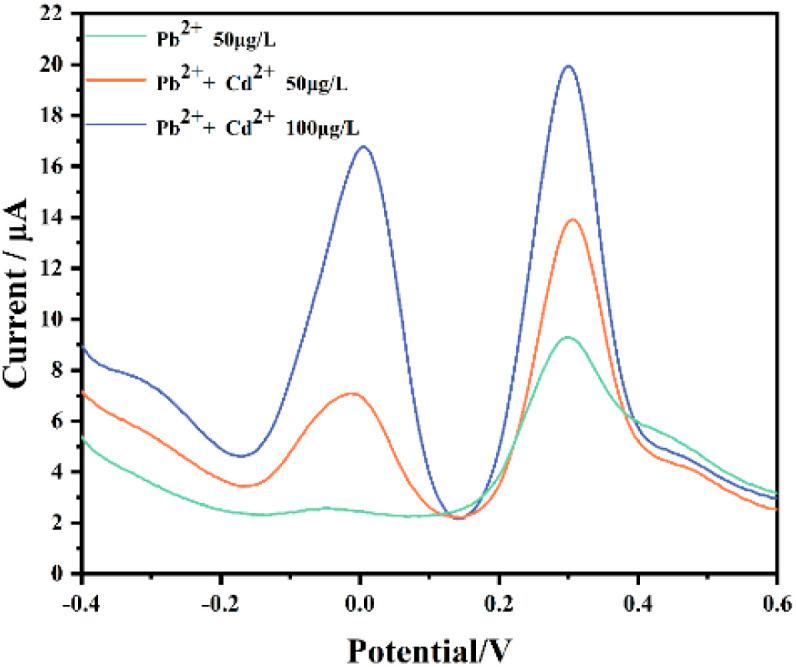
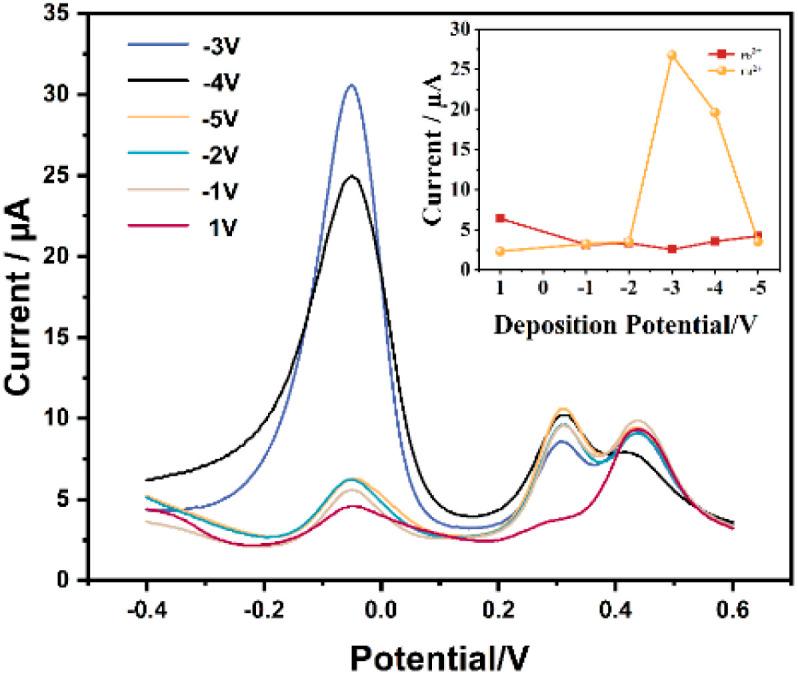
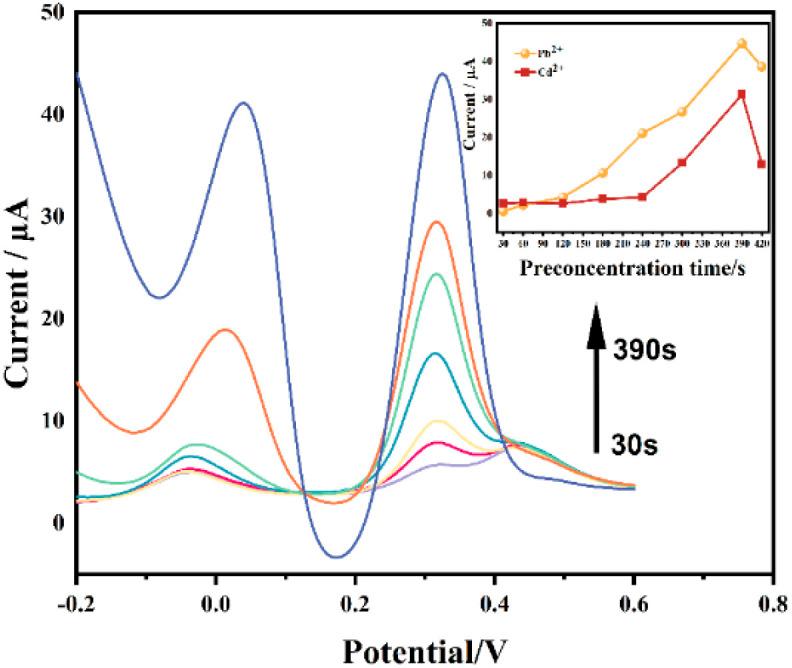
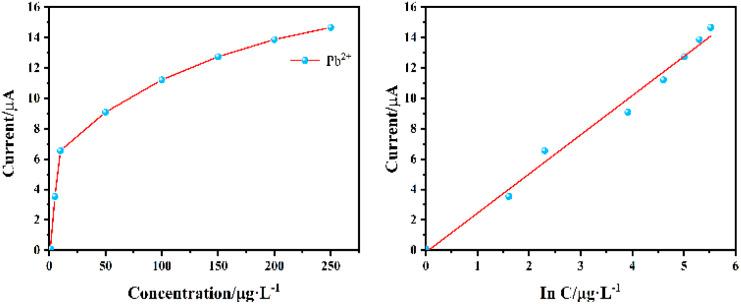
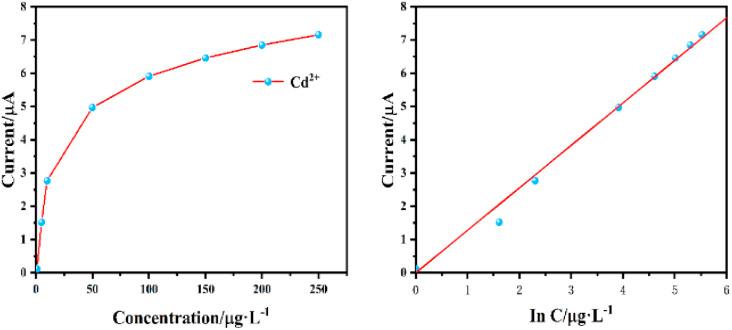
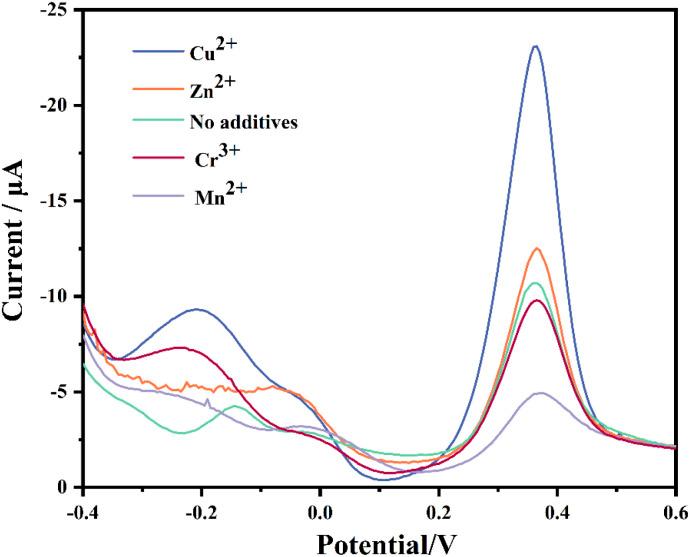
Heavy metals (HMs) pose significant environmental risks due to their widespread presence. In particular, lead (Pb) and cadmium (Cd) can accumulate in the human body through prolonged exposure or bioaccumulation the food chain, presenting substantial threats to human health and ecosystems. This study developed a novel electrochemical sensing platform for simultaneous detection of trace Pb and Cd using a bare gold electrode modified with gold nanoclusters (GNPs-Au) through a potentiostatic method. Through systematic optimization of deposition parameters including 2 mmol per L HAuCl, 0.2 V deposition potential, and 80 s deposition time, the modified electrode exhibited 7.2-fold increased surface area compared to the bare gold electrode, as confirmed by field emission scanning electron microscopy (FESEM) and electrochemical characterization. The enhanced surface area provided abundant electrochemical reaction sites, significantly improving detection sensitivity. Under optimal detection conditions comprising pH 3.3, -4 V enrichment potential, and 390 s enrichment time, the modified electrode demonstrated linear responses for Pb and Cd in the range of 1-250 μg L with a detection limit of 1 ng L. The spike-recovery test yielded quantitative recoveries ranging from 90.86% to 113.47%. The interference experiment confirmed Cu has a significant effect on the measurement. Moreover, the method successfully detected Pb and Cd in real water samples, with results showing minor errors compared to atomic absorption spectroscopy (AAS). These findings demonstrate the robust potential of GNPs-Au for trace heavy metal ion detection in environmental monitoring.
重金属(HMs)因其广泛存在而带来重大环境风险。特别是铅(Pb)和镉(Cd)可通过长期暴露或在食物链中的生物累积在人体中蓄积,对人类健康和生态系统构成重大威胁。本研究开发了一种新型电化学传感平台,通过恒电位法使用金纳米团簇修饰的裸金电极(GNPs-Au)同时检测痕量Pb和Cd。通过系统优化沉积参数,包括每升2毫摩尔的HAuCl、0.2伏的沉积电位和80秒的沉积时间,与裸金电极相比,修饰电极的表面积增加了7.2倍,这通过场发射扫描电子显微镜(FESEM)和电化学表征得到证实。增加的表面积提供了丰富的电化学反应位点,显著提高了检测灵敏度。在最佳检测条件下,即pH 3.3、-4伏的富集电位和390秒的富集时间,修饰电极对Pb和Cd在1-250微克/升范围内呈现线性响应,检测限为1纳克/升。加标回收率测试得到的定量回收率在90.86%至113.47%之间。干扰实验证实Cu对测量有显著影响。此外,该方法成功检测了实际水样中的Pb和Cd,结果与原子吸收光谱法(AAS)相比误差较小。这些发现证明了GNPs-Au在环境监测中检测痕量重金属离子方面的强大潜力。

 Zotero 插件