
肝母细胞瘤血管生成机制的见解
Insights into the mechanisms of angiogenesis in hepatoblastoma.
作者信息
Kong Meng, Zhai Yunpeng, Liu Hongzhen, Zhang Shisong, Chen Shuai, Li Wenfei, Ma Xiang, Ji Yi
机构信息
Department of Pediatric Surgery, Children's Hospital Affiliated to Shandong University, Jinan, China.
Department of Pediatric Surgery, Jinan Children's Hospital, Jinan, China.
出版信息
Front Cell Dev Biol. 2025 May 14;13:1535339. doi: 10.3389/fcell.2025.1535339. eCollection 2025.
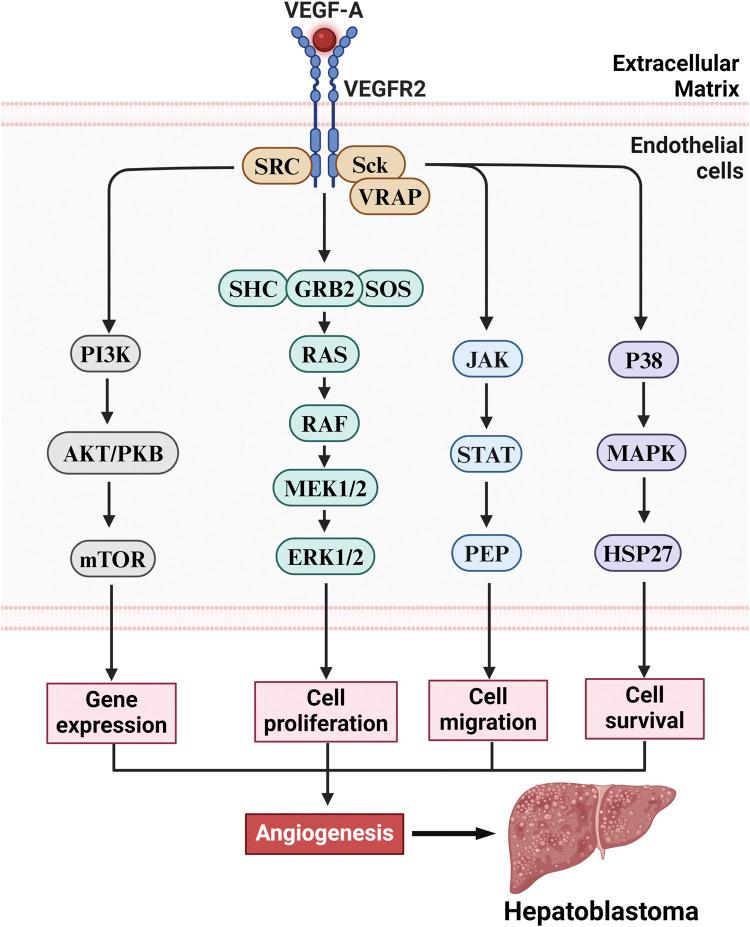
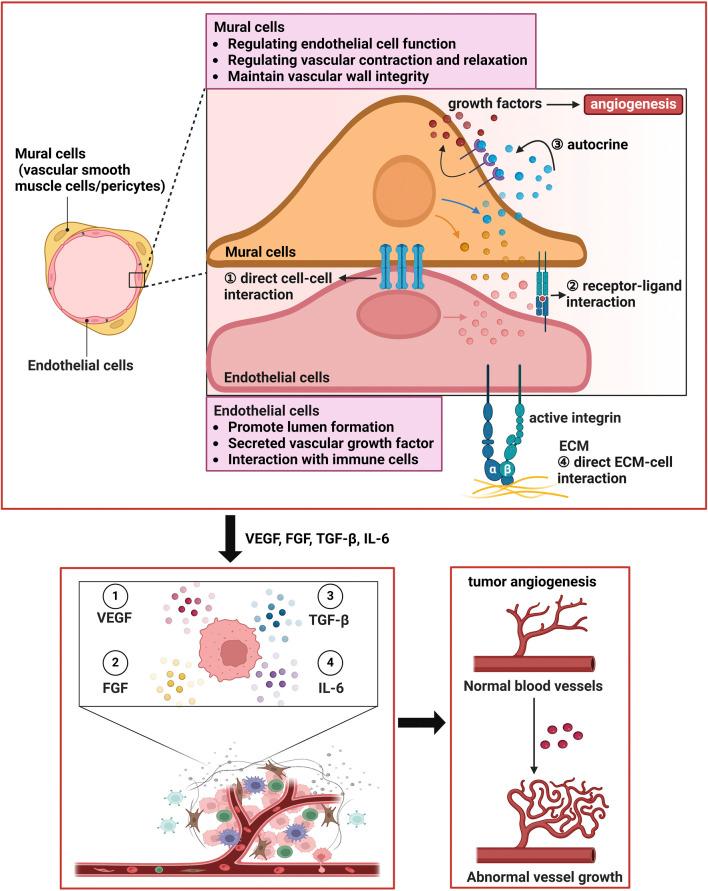
Hepatoblastoma (HB), the most common pediatric liver malignancy, is characterized by aggressive growth and metastasis driven by complex angiogenic mechanisms. This review elucidates the pivotal role of angiogenesis in HB progression, emphasizing metabolic reprogramming, tumor microenvironment (TME) dynamics, and oncogenic signalling pathways. The Warburg effect in HB cells fosters a hypoxic microenvironment, stabilizing hypoxia-inducible factor-1α (HIF-1α) and upregulating vascular endothelial growth factor (VEGF), which synergistically enhances angiogenesis. Key pathways such as the Wnt/β-catenin, VEGF, PI3K/AKT, and JAK2/STAT3 pathways are central to endothelial cell proliferation, migration, and vascular maturation, whereas interactions with tumor-associated macrophages (TAMs) and pericytes further remodel the TME to support neovascularization. Long noncoding RNAs and glycolytic enzymes have emerged as critical regulators of angiogenesis, linking metabolic activity with vascular expansion. Anti-angiogenic therapies, including VEGF inhibitors and metabolic pathway-targeting agents, show preclinical promise but face challenges such as resistance and off-target effects. Future directions advocate for dual-target strategies, spatial multiomics technologies to map metabolic-angiogenic crosstalk, and personalized approaches leveraging biomarkers for risk stratification. This synthesis underscores the need for interdisciplinary collaboration to translate mechanistic insights into durable therapies, ultimately improving outcomes for HB patients.
肝母细胞瘤(HB)是最常见的儿童肝脏恶性肿瘤,其特征是由复杂的血管生成机制驱动的侵袭性生长和转移。本综述阐明了血管生成在HB进展中的关键作用,强调了代谢重编程、肿瘤微环境(TME)动态变化和致癌信号通路。HB细胞中的瓦博格效应促进了缺氧微环境的形成,稳定了缺氧诱导因子-1α(HIF-1α)并上调血管内皮生长因子(VEGF),二者协同增强血管生成。Wnt/β-连环蛋白、VEGF、PI3K/AKT和JAK2/STAT3等关键通路对于内皮细胞增殖、迁移和血管成熟至关重要,而与肿瘤相关巨噬细胞(TAM)和周细胞的相互作用进一步重塑TME以支持新血管形成。长链非编码RNA和糖酵解酶已成为血管生成的关键调节因子,将代谢活性与血管扩张联系起来。抗血管生成疗法,包括VEGF抑制剂和靶向代谢途径的药物,在临床前研究中显示出前景,但面临耐药性和脱靶效应等挑战。未来的方向提倡双靶点策略、用于绘制代谢-血管生成相互作用图谱的空间多组学技术,以及利用生物标志物进行风险分层的个性化方法。这一综述强调了跨学科合作的必要性,以便将机制性见解转化为持久的治疗方法,最终改善HB患者的治疗效果。

 Zotero 插件