
阳离子-π相互作用对聚电解质复合物相行为和粘弹性的影响
Effect of Cation-π Interactions on the Phase Behavior and Viscoelastic Properties of Polyelectrolyte Complexes.
作者信息
Chee Conner H, Han Aijie, Ortiz Gileanna, Knight Lexi R, Laaser Jennifer E
机构信息
Department of Chemistry, University of Pittsburgh, 219 Parkman Avenue, Pittsburgh, Pennsylvania 15260, United States.
出版信息
Macromolecules. 2025 Apr 16;58(10):5177-5186. doi: 10.1021/acs.macromol.4c02626. eCollection 2025 May 27.
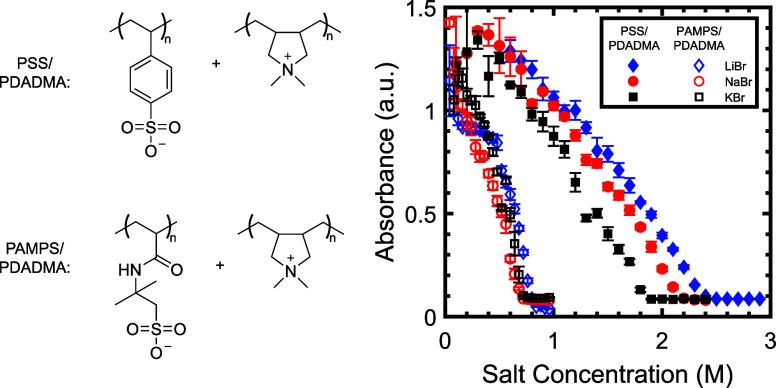
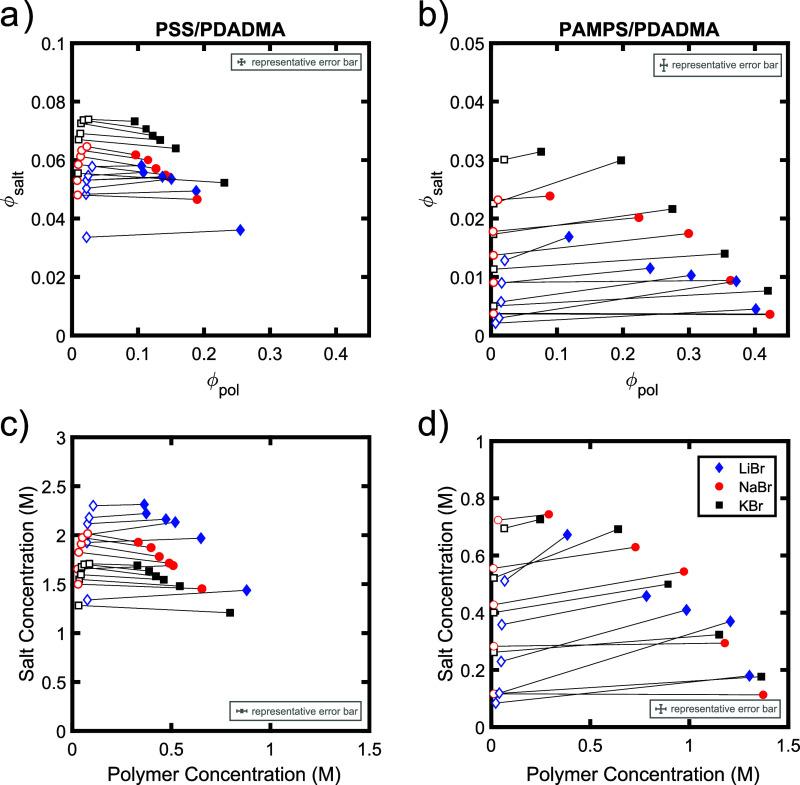
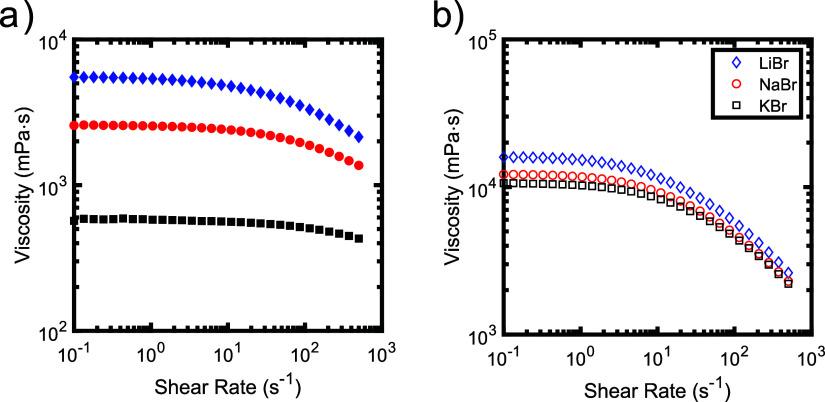
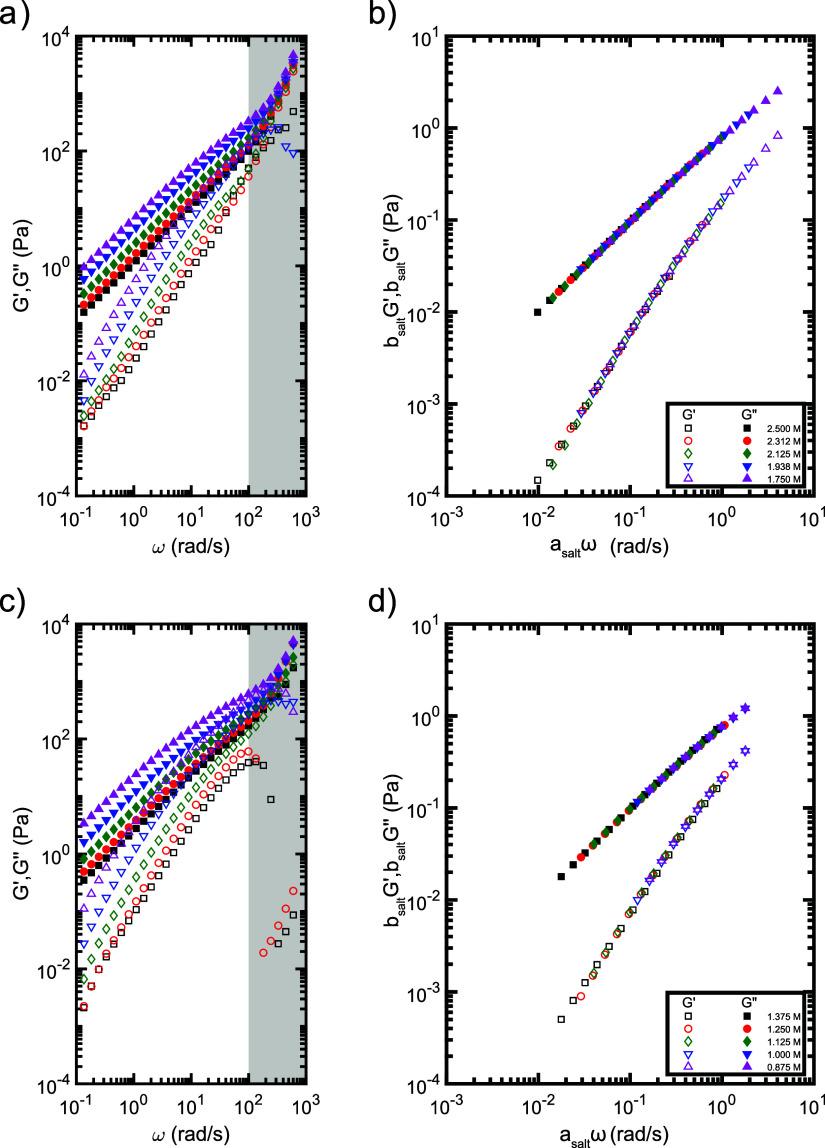
Aromatic rings are a common feature of biological and synthetic polymers that form polyelectrolyte complexes and coacervates. These functional groups can engage in cation-π interactions; however, the impact of such interactions on the physical properties of polyelectrolyte complex materials is not well understood. Here, we investigate the effect of cation-π interactions on the phase behavior and viscoelasticity of polyelectrolyte complexes of poly-(styrenesulfonate) (PSS) and poly-(diallyldimethylammonium), which contain aromatic functional groups on every repeat unit of the PSS polyanion. We prepare samples with matched polymer and/or salt concentrations using salts with different cation-π interaction strengths. Characterization by turbidity, thermogravimetric analysis, and rheology reveals that salts that engage in stronger cation-π interactions destabilize coacervation and speed up the viscoelastic relaxation of the materials. By contrast, removing the aromatic ring by replacing PSS with poly-(2-acrylamido-2-methylpropanesulfonate removes the sensitivity of the phase behavior and viscoelasticity of the complexes to the cation-π interaction strength of the salt. These results reveal that cation-π interactions play a significant role in determining the phase behavior and viscoelasticity of polyelectrolyte complexes and coacervates made from polymers with aromatic functional groups and suggest that cation-π interactions may be a useful molecular handle for tuning coacervate properties.
芳香环是生物和合成聚合物的常见特征,这些聚合物可形成聚电解质复合物和凝聚层。这些官能团可参与阳离子-π相互作用;然而,此类相互作用对聚电解质复合材料物理性质的影响尚未得到充分理解。在此,我们研究阳离子-π相互作用对聚(苯乙烯磺酸盐)(PSS)和聚(二烯丙基二甲基铵)聚电解质复合物的相行为和粘弹性的影响,PSS聚阴离子的每个重复单元上都含有芳香官能团。我们使用具有不同阳离子-π相互作用强度的盐制备聚合物和/或盐浓度匹配的样品。通过浊度、热重分析和流变学表征发现,参与更强阳离子-π相互作用的盐会破坏凝聚层的稳定性,并加速材料的粘弹性松弛。相比之下,用聚(2-丙烯酰胺基-2-甲基丙烷磺酸盐)取代PSS来去除芳香环,可消除复合物的相行为和粘弹性对盐的阳离子-π相互作用强度的敏感性。这些结果表明,阳离子-π相互作用在决定由具有芳香官能团的聚合物制成的聚电解质复合物和凝聚层的相行为和粘弹性方面起着重要作用,并表明阳离子-π相互作用可能是调节凝聚层性质的有用分子手段。




 Zotero 插件