
益生菌对神经性厌食症大鼠模型牙周韧带的预防作用。
Preventive effect of probiotics on periodontal ligament in a rat model of anorexia nervosa.
作者信息
Rizk Marta, Häck S, Brenji S, Knaup I, Niederau C, Kiessling F, Marx N, Moellmann J, Kahles F, Pufe T, Apel C, Kern J, Seitz J, Käver L, Voelz C, Wolf M, Trinh S, Craveiro R B
机构信息
Department of Orthodontics, Uniklinik RWTH Aachen, Aachen, Germany.
Institute for Experimental Molecular Imaging, Uniklinik RWTH Aachen, Aachen, Germany.
出版信息
Sci Rep. 2025 Jun 2;15(1):19287. doi: 10.1038/s41598-025-02610-x.
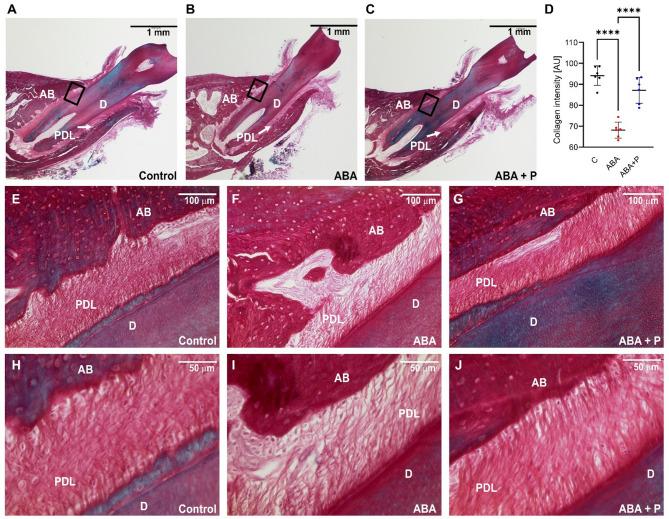
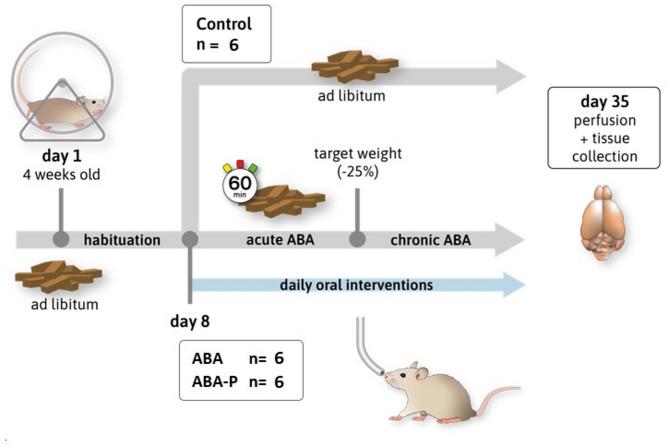
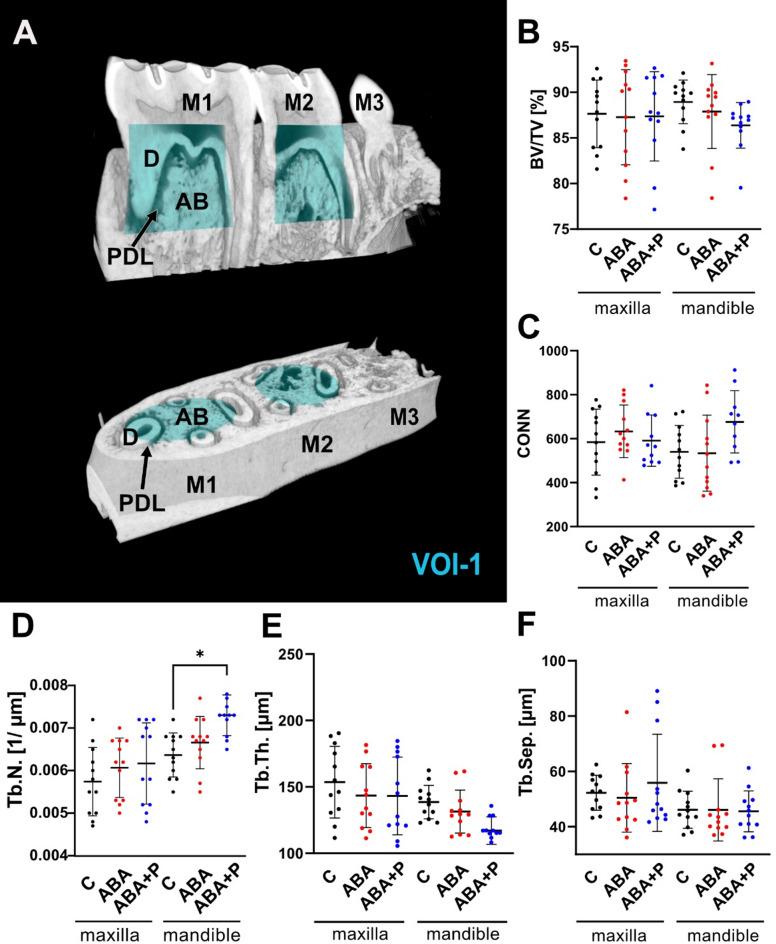
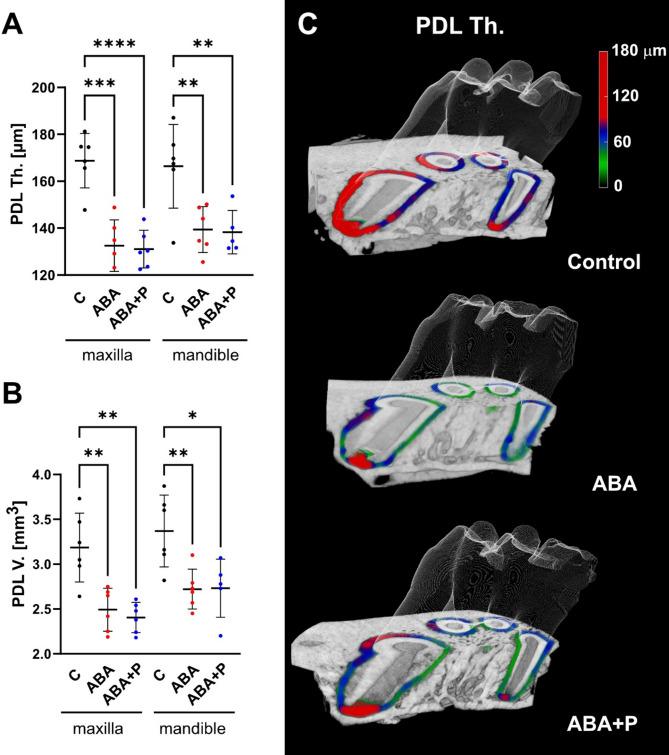
The rising prevalence of anorexia nervosa (AN), especially among adolescents, and the limited understanding of its effects on the periodontium often hinder decision making in dentistry and periodontology. As an adjunct to periodontal therapy, probiotic administration has shown promising effects on oral health by decreasing pathogen counts and altering the immune response. This study thus investigates changes in morphology and remodelling of alveolar bone and periodontal ligament (PDL) due to an AN-like condition, along with potential protective effects of probiotics, using a rat model. Three-week-old female Wistar rats were divided into three groups: a control group with ad libitum food and two groups undergoing an activity-based anorexia (ABA) model. One ABA group received oral multi-strain probiotics during starvation. After five weeks, all rats were sacrificed for ex-vivo micro-CT scans of the maxilla and mandible to assess alveolar bone and PDL morphology, as well as histological evaluations for PDL fibre vitality and structural organization. The data were statistically evaluated by one-way ANOVA with Tukey's post-hoc test or by Kruskal-Wallis with Dunn's test for parametric or nonparametric data, respectively. The results showed no structural changes in alveolar bone caused by either ABA or probiotic treatment; however, the ABA group exhibited a significant reduction in PDL thickness, which could not be reversed by probiotic treatment. Despite this, histological analysis indicated improved connectivity and density of PDL fibres in the probiotic group compared with the ABA-only group. No differences were found between the mandible and maxilla. In conclusion, while probiotics did not prevent PDL thinning, they enhanced its composition/vitality compared to the ABA condition alone.
神经性厌食症(AN)的患病率不断上升,尤其是在青少年中,而且人们对其对牙周组织影响的了解有限,这常常阻碍牙科和牙周病学领域的决策制定。作为牙周治疗的辅助手段,益生菌给药通过减少病原体数量和改变免疫反应,已显示出对口腔健康有良好效果。因此,本研究使用大鼠模型,调查了类似AN的状况导致的牙槽骨和牙周韧带(PDL)形态变化及重塑情况,以及益生菌的潜在保护作用。将三周龄雌性Wistar大鼠分为三组:一组为自由进食的对照组,另外两组采用基于活动的厌食(ABA)模型。其中一个ABA组在饥饿期间接受口服多菌株益生菌。五周后,处死所有大鼠,对其上颌骨和下颌骨进行离体微型计算机断层扫描(micro-CT),以评估牙槽骨和PDL形态,同时对PDL纤维活力和结构组织进行组织学评估。分别使用单因素方差分析(one-way ANOVA)和Tukey事后检验或Kruskal-Wallis检验和Dunn检验对参数数据或非参数数据进行统计学评估。结果显示,ABA或益生菌治疗均未引起牙槽骨结构变化;然而,ABA组的PDL厚度显著降低,益生菌治疗无法逆转这一情况。尽管如此,组织学分析表明,与仅采用ABA的组相比,益生菌组的PDL纤维连接性和密度有所改善。下颌骨和上颌骨之间未发现差异。总之,虽然益生菌未能防止PDL变薄,但与单独的ABA情况相比,它们增强了PDL的组成/活力。

 Zotero 插件