
二维与三维芯片上肿瘤模型用于研究肿瘤组织结构对体外代谢模式的影响。
2D versus 3D tumor-on-chip models to study the impact of tumor organization on metabolic patterns in vitro.
作者信息
Guerrero-López Paula, Martín-Pardillos Ana, Bonet-Aleta Javier, Mosseri Andrea, Hueso Jose L, Santamaria Jesus, Garcia-Aznar Jose Manuel
机构信息
Multiscale in Mechanical and Biological Engineering (M2BE), Aragon Institute of Engineering Research (I3A), University of Zaragoza, Mariano Esquillor s/n, 50018, Zaragoza, Spain.
Instituto de Nanociencia y Materiales de Aragon (INMA), CSIC-Universidad de Zaragoza, Campus Rio Ebro, Edificio I+D, C/Mariano Esquillor, s/n, 50018, Zaragoza, Spain.
出版信息
Sci Rep. 2025 Jun 4;15(1):19506. doi: 10.1038/s41598-025-03504-8.
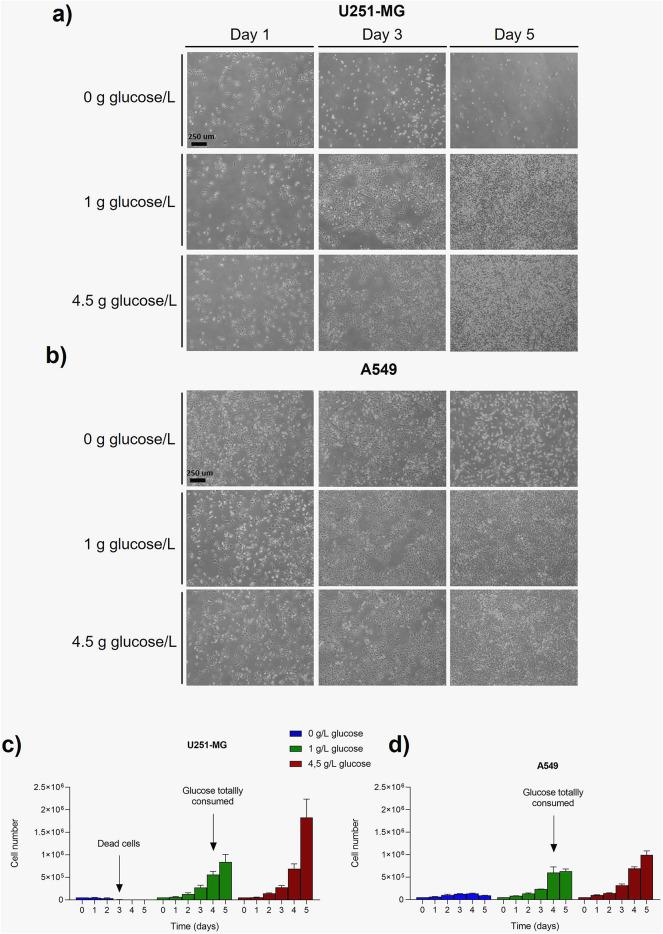
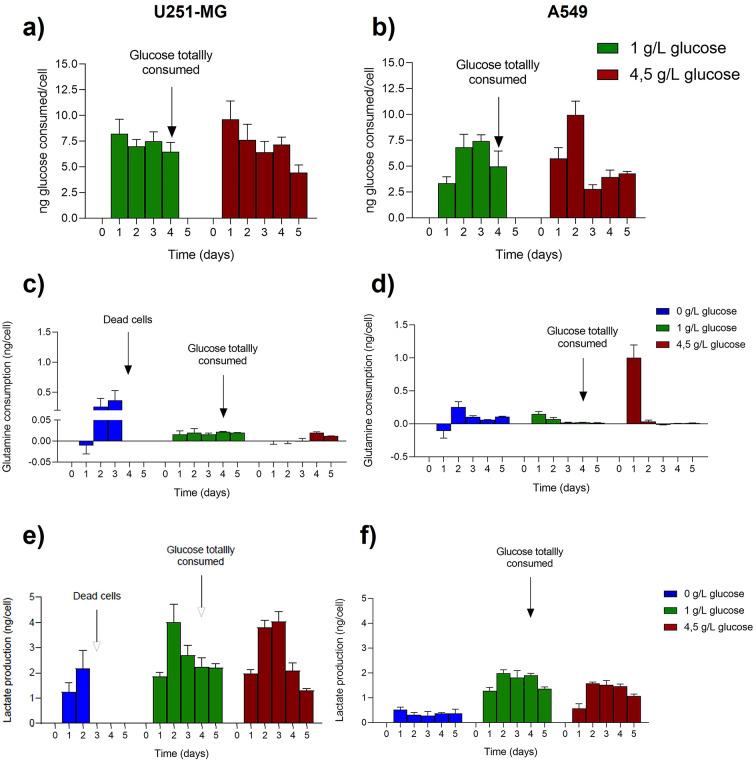
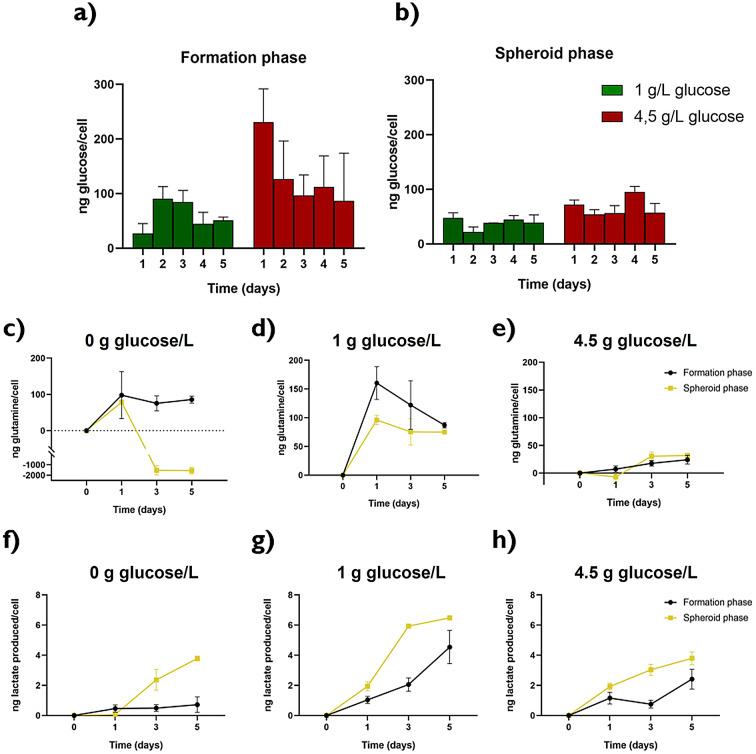
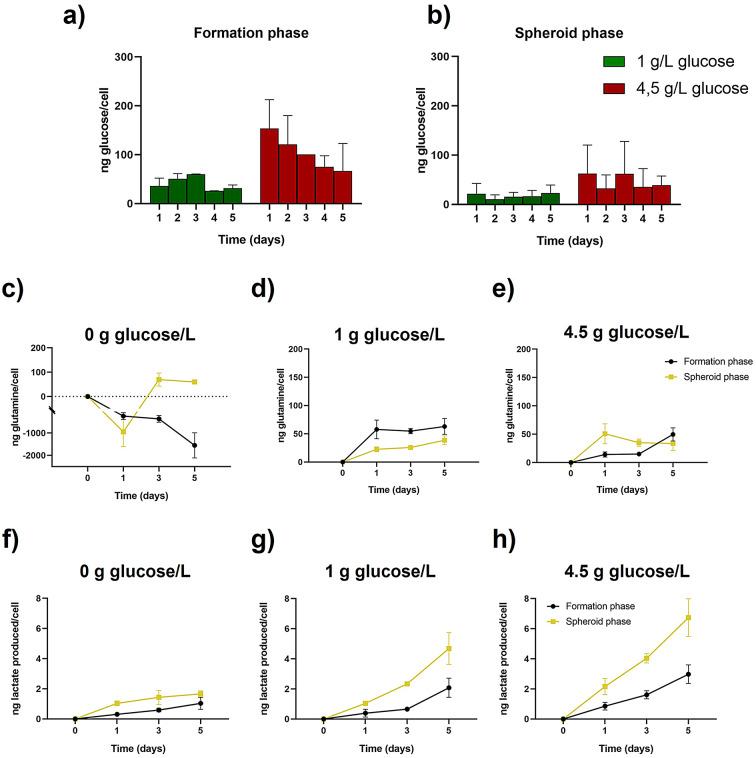
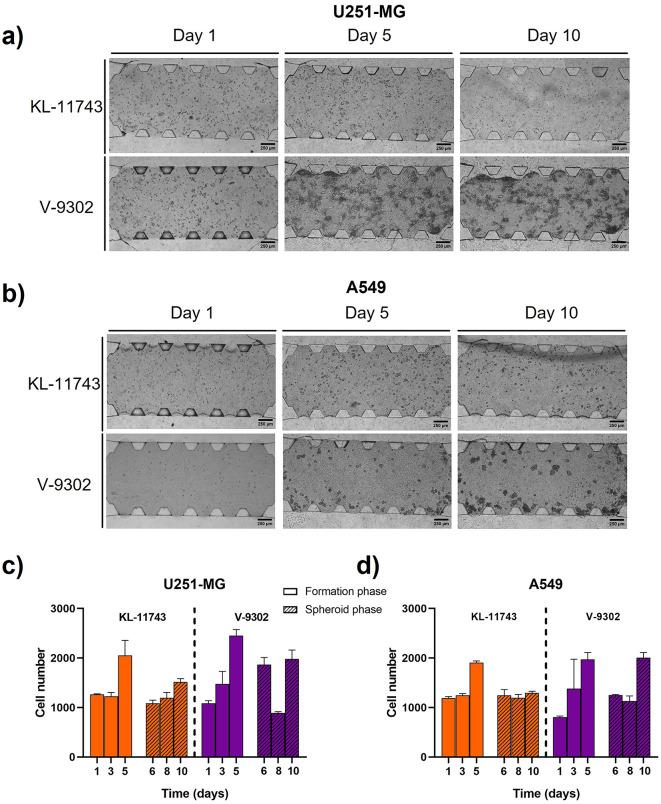
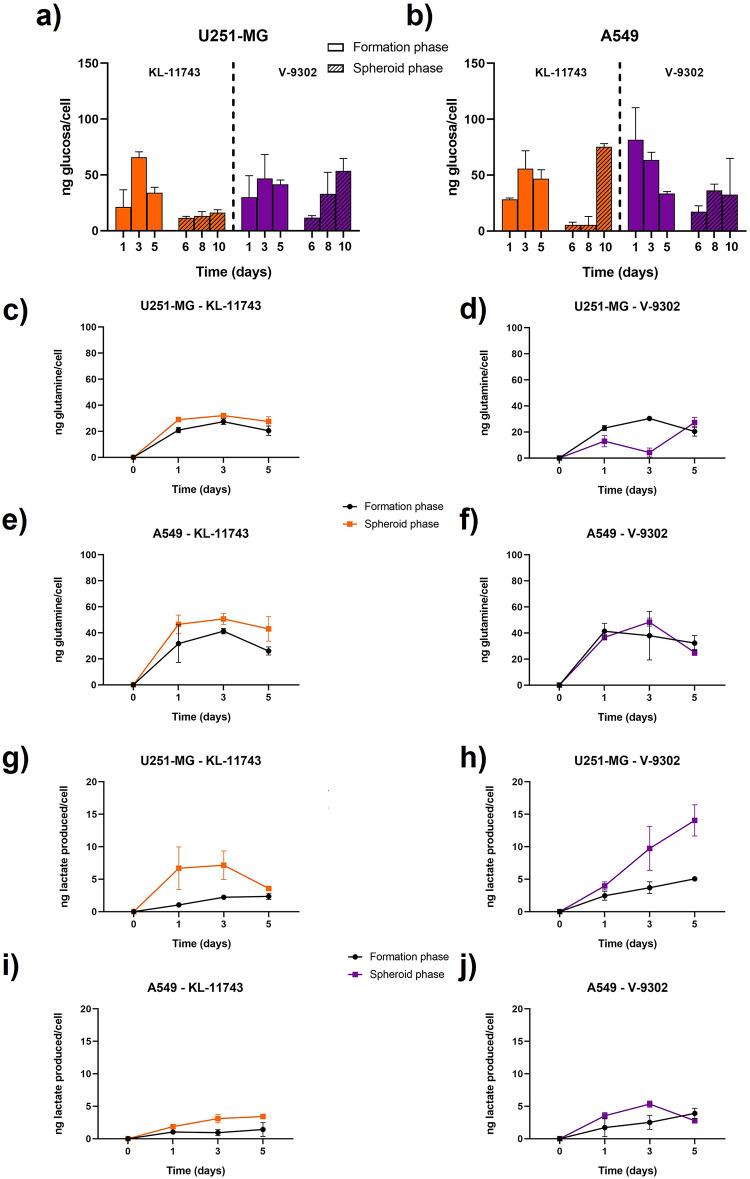
Despite the limitations of in vitro models to investigate cancer cell metabolism, their study can provide new insights essential for understanding tumorigenesis and effectively aiding in the development of novel therapies. The innovative tumor-on-chip models offer a more physiologically relevant platform than the traditional 2D cultures. These 3D cultures incorporate cell-cell and cell-matrix interactions, as well as diffusion dynamics through both the matrix and tumor spheroid, modeling in vivo diffusion within the tumor. Therefore, this work focuses on a quantitative comparison between 2D and 3D cultures through a microfluidic chip that allows daily monitoring of cancer cell key metabolites such as glucose, glutamine and lactate, unveiling critical differences. Our analysis reveals reduced proliferation rates in 3D models, likely due to limited diffusion of nutrients and oxygen. Additionally, 3D cultures showed distinct metabolic profiles, including elevated glutamine consumption under glucose restriction and higher lactate production, indicating an enhanced Warburg effect. The microfluidic chip enabled continuous monitoring, revealing increased per-cell glucose consumption in 3D models, highlighting fewer but more metabolically active cells than in 2D cultures. These findings underscore the importance of using microfluidic-based 3D models to provide a more accurate representation of tumor metabolism and progression compared to traditional 2D cultures.
尽管体外模型在研究癌细胞代谢方面存在局限性,但对它们的研究能够为理解肿瘤发生提供至关重要的新见解,并有效助力新型疗法的开发。创新的芯片上肿瘤模型提供了一个比传统二维培养更具生理相关性的平台。这些三维培养纳入了细胞间和细胞与基质的相互作用,以及通过基质和肿瘤球体的扩散动力学,模拟肿瘤内的体内扩散。因此,这项工作聚焦于通过微流控芯片对二维和三维培养进行定量比较,该芯片允许每日监测癌细胞的关键代谢物,如葡萄糖、谷氨酰胺和乳酸,揭示关键差异。我们的分析显示三维模型中的增殖率降低,这可能是由于营养物质和氧气的扩散受限所致。此外,三维培养显示出独特的代谢特征,包括在葡萄糖受限情况下谷氨酰胺消耗增加以及乳酸产生增加,表明瓦伯格效应增强。微流控芯片能够进行连续监测,揭示三维模型中每个细胞的葡萄糖消耗增加,突出显示与二维培养相比,细胞数量更少但代谢活性更高。这些发现强调了与传统二维培养相比,使用基于微流控的三维模型来更准确地呈现肿瘤代谢和进展的重要性。



 Zotero 插件