
人工智能的应用及卫生技术评估中的挑战:一项范围综述及聚焦经济维度的框架
Applications of artificial intelligence and the challenges in health technology assessment: a scoping review and framework with a focus on economic dimensions.
作者信息
Ramezani Maryam, Bakhtiari Ahad, Daroudi Rajabali, Mobinizadeh Mohammadreza, Fazaeli Ali Akbar, Olyaeemanesh Alireza, Rabiee Hamid R, Ramezani Maryam, Mostafavi Hakimeh, Sazgarnejad Saharnaz, Bordbar Sanaz, Takian Amirhossein
机构信息
Department of Health Management, Policy and Economics, School of Public Health, Tehran University of Medical Sciences (TUMS), Tehran, Iran.
Health Equity Research Centre (HERC), Tehran University of Medical Sciences (TUMS), Tehran, Iran.
出版信息
Health Econ Rev. 2025 Jun 4;15(1):46. doi: 10.1186/s13561-025-00645-4.
BACKGROUND
Health Technology Assessment (HTA) is a crucial tool for evaluating the worth and roles of health technologies, and providing evidence-based guidance for their adoption and use. Artificial intelligence (AI) can enhance HTA processes by improving data collection, analysis, and decision-making. This study aims to explore the opportunities and challenges of utilizing artificial intelligence (AI) in health technology assessment (HTA), with a specific focus on economic dimensions. By leveraging AI's capabilities, this research examines how innovative tools and methods can optimize economic evaluation frameworks and enhance decision-making processes within the HTA context.
METHODS
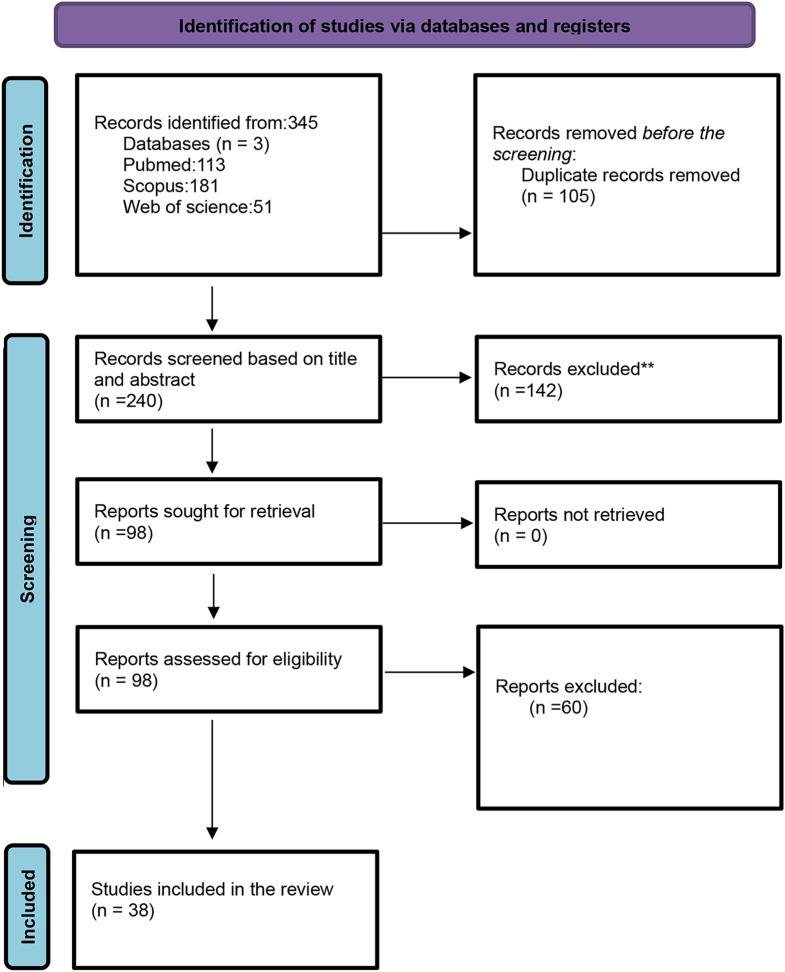
This study adopted Arksey and O'Malley's scoping review framework and conducted a systematic search in PubMed, Scopus, and Web of Science databases. It examined the benefits and challenges of AI integration into HTA, with a focus on economic dimensions.
FINDINGS
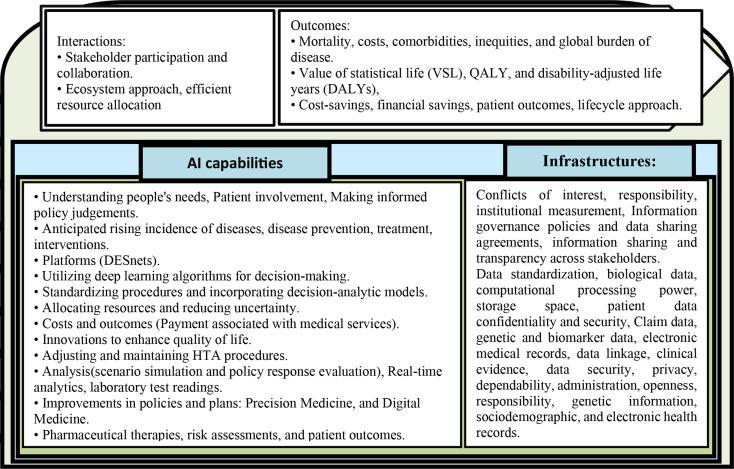
AI significantly enhances HTA outcomes by driving methodological advancements, improving utility, and fostering healthcare innovation. It enables comprehensive assessments through robust data systems and databases. However, ethical considerations such as biases, transparency, and accountability emphasize the need for deliberate planning and policymaking to ensure responsible integration within the HTA framework.
CONCLUSION
AI applications in HTA have significant potential to enhance health outcomes and decision-making processes. However, the development of robust data management strategies and regulatory frameworks is essential to ensure effective and ethical implementation. Future research should prioritize the establishment of comprehensive frameworks for AI integration, fostering collaboration among stakeholders, and improving data quality and accessibility on an ongoing basis.
背景
卫生技术评估(HTA)是评估卫生技术的价值和作用,并为其采用和使用提供循证指导的关键工具。人工智能(AI)可通过改进数据收集、分析和决策来提升卫生技术评估流程。本研究旨在探讨在卫生技术评估(HTA)中利用人工智能(AI)的机遇与挑战,特别关注经济层面。通过利用人工智能的能力,本研究考察创新工具和方法如何优化经济评估框架,并在卫生技术评估背景下加强决策过程。
方法
本研究采用了阿克西和奥马利的范围综述框架,并在PubMed、Scopus和科学网数据库中进行了系统检索。研究考察了将人工智能整合到卫生技术评估中的益处和挑战,重点关注经济层面。
结果
人工智能通过推动方法学进步、提高效用和促进医疗创新,显著提升了卫生技术评估的结果。它通过强大的数据系统和数据库实现全面评估。然而诸如偏差、透明度和问责制等伦理考量强调,需要进行深思熟虑的规划和决策,以确保在卫生技术评估框架内进行负责任的整合。
结论
人工智能在卫生技术评估中的应用具有显著潜力,可改善健康结果和决策过程。然而,制定强大的数据管理策略和监管框架对于确保有效且符合伦理的实施至关重要。未来的研究应优先建立人工智能整合的综合框架,促进利益相关者之间的合作,并持续提高数据质量和可及性。
 Zotero 插件