
膜生物反应器处理灰水中的微塑料污染及去除效率
Microplastic contamination and removal efficiency in greywater treatment using a membrane bioreactor.
作者信息
Ittisupornrat Suda, Namyuang Chayanin, Phetrak Athit, Sriromreun Paranee, Theepharaksapan Suthida
机构信息
Department of Climate Change and Environment, Climate Change and Environmental Research Center, Pathumthani, Thailand.
Department of Social and Environmental Medicine, Faculty of Tropical Medicine, Mahidol University, Bangkok, Thailand.
出版信息
Front Microbiol. 2025 May 22;16:1519230. doi: 10.3389/fmicb.2025.1519230. eCollection 2025.
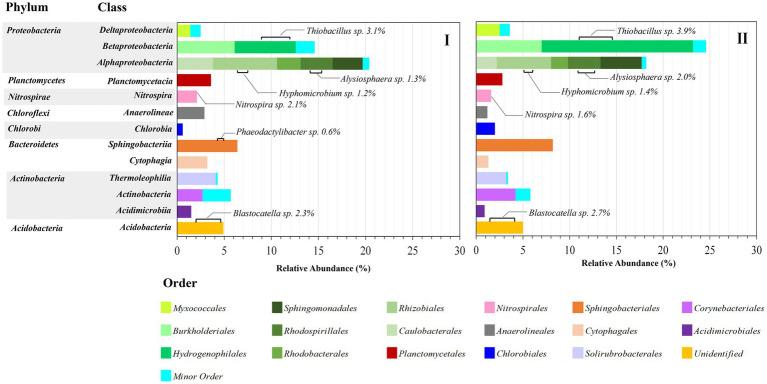
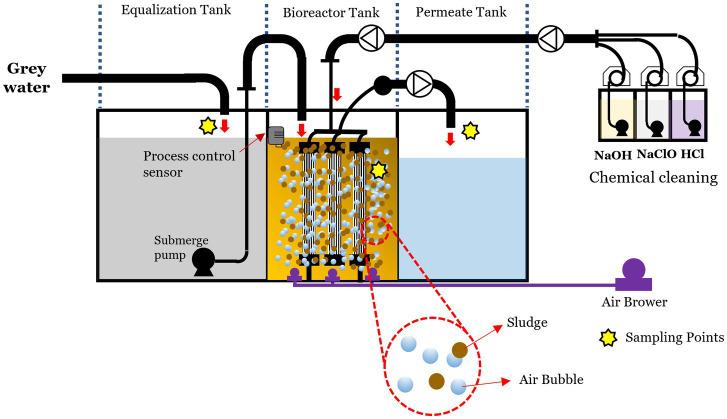
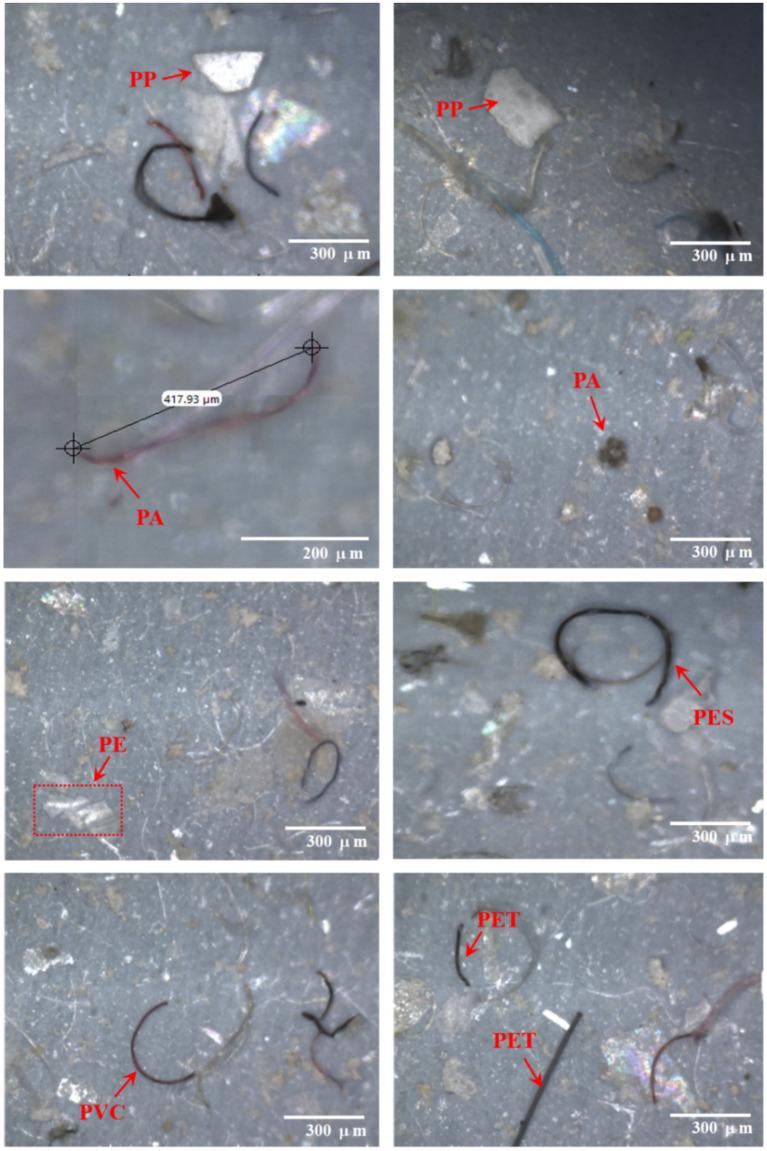
Microplastic (MP) contamination in aquatic environments is a critical concern due to its potential effects on aquatic ecosystems. MP contamination is often unsatisfactorily eliminated using conventional wastewater treatment systems. Membrane bioreactor (MBR) is a modern solution for wastewater treatment offering significant advantages over traditional activated sludge systems, such as a smaller footprint and the ability to produce high-quality effluent. In this study, a pilot-scale MBR was conducted to evaluate MP removal from real greywater. The overall treatment performance for MP removal reached up to 90%, with the MP concentration in the permeate effluent being 0.02 MP L. The major MP size distribution was 101-300 μm, with polypropylene as the predominant MP type. Remarkably, polyester fibers were highly predominant in the suspended sludge. Furthermore, , , and were the predominant communities in the MBR sludge, which preferably formed a biofilm associated with MP accumulation. This study underscores the potential of MBR technology for efficient MP removal in household buildings, contributing to the mitigation of MP discharge into the environment. Implementing MBR systems is a crucial step toward safeguarding aquatic ecosystems and preserving environmental integrity with respect to the corresponding increase in MP pollution.
由于微塑料(MP)对水生生态系统的潜在影响,其在水生环境中的污染成为一个关键问题。使用传统的废水处理系统往往无法令人满意地消除MP污染。膜生物反应器(MBR)是一种现代废水处理解决方案,与传统活性污泥系统相比具有显著优势,如占地面积更小以及能够产生高质量的出水。在本研究中,进行了中试规模的MBR实验,以评估从实际灰水中去除MP的效果。MP去除的总体处理性能高达90%,渗透液中的MP浓度为0.02个/升。MP的主要尺寸分布为101 - 300微米,聚丙烯是主要的MP类型。值得注意的是,聚酯纤维在悬浮污泥中占比极高。此外, , ,和 是MBR污泥中的主要群落,它们更倾向于形成与MP积累相关的生物膜。本研究强调了MBR技术在家庭建筑中高效去除MP的潜力,有助于减少MP向环境中的排放。实施MBR系统是在MP污染相应增加的情况下保护水生生态系统和维护环境完整性的关键一步。


 Zotero 插件