
在澳大利亚墨尔本,年轻人在新冠疫情封锁期间自行建造土坡腾跃场地的情况。
Young Peoples' Construction of DIY Dirt Jumps in Melbourne, Australia, Throughout the Covid-19 Lockdowns.
作者信息
O'Keeffe Patrick
机构信息
Social and Global Studies Centre, RMIT University, GPO Box 2476, Melbourne, VIC 3001 Australia.
出版信息
J Appl Youth Stud. 2022;5(2):117-134. doi: 10.1007/s43151-022-00075-7. Epub 2022 May 10.
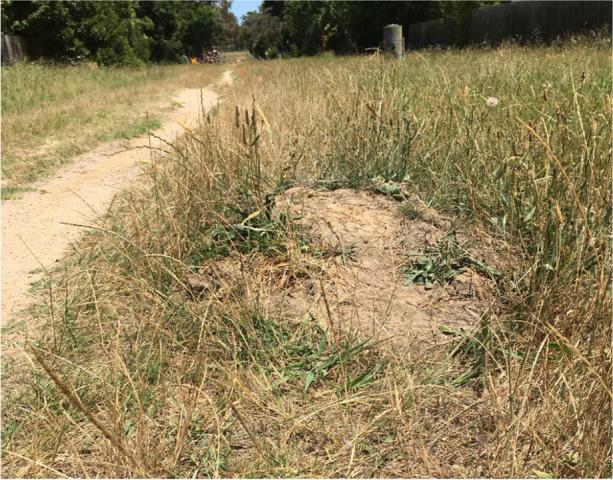
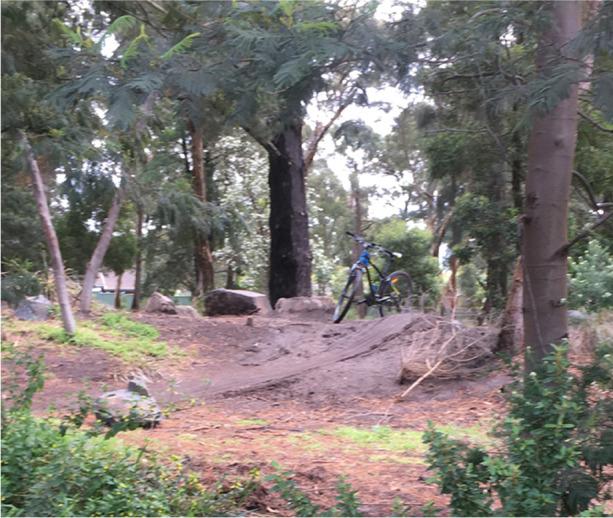
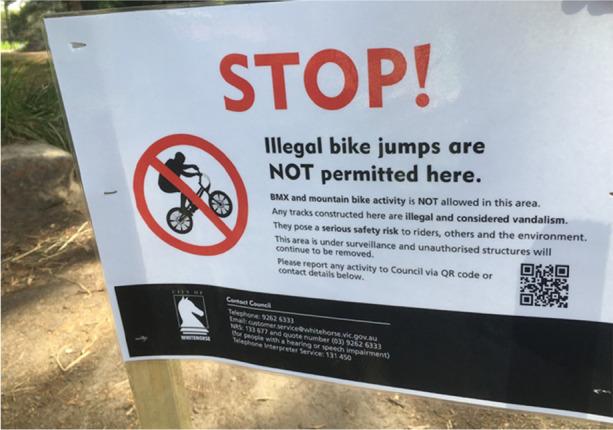
Access to public space is critically important for young people, providing key opportunities for self-expression, independence, identity development and relationship building. The Covid-19 pandemic has profoundly affected how young people can engage with public spaces. In Melbourne, Australia, young people have experienced 262 days in lockdown, contributing to escalating anxiety and depression, social isolation, physical health impacts and increased exposure to family conflict and family violence. Throughout this time, there has been a proliferation of young people constructing DIY dirt jumps across Melbourne. This article analyses this unstructured production of public space, focusing on one case study and drawing from council responses. I suggest that through this practice, young people challenge adult interpretations of public space, intentionally or unintentionally, resisting adult control of public space at a time when young people have been denied opportunities for independence and autonomy.
对年轻人来说,进入公共空间至关重要,它为自我表达、独立、身份认同发展和关系建立提供了关键机会。新冠疫情深刻影响了年轻人参与公共空间的方式。在澳大利亚墨尔本,年轻人经历了262天的封锁,导致焦虑和抑郁情绪不断升级、社会孤立、身体健康受到影响,以及遭受家庭冲突和家庭暴力的风险增加。在此期间,墨尔本各地出现了大量年轻人自行建造的土坡跳跃场地。本文分析了这种非结构化的公共空间创造,重点关注一个案例研究,并借鉴了市政当局的回应。我认为,通过这种做法,年轻人有意或无意地挑战了成年人对公共空间的理解,在年轻人被剥夺独立和自主机会的时候,抵制了成年人对公共空间的控制。
 Zotero 插件