
越南牙科实践与教育中放大设备的使用情况:一项在线调查。
Utilization of magnification devices in Vietnam's dental practice and education: an online survey.
作者信息
Tran Minh-Hieu Nguyen, Bui Anh Huynh, Le Lan-Anh Hoang, Huynh Thuy-Trang Thi, Phan Phuong-Doan, Tran Thuan-Loc, Le Nguyen-Tra-Mi, Nguyen Thu-Tra, Le Hoang-Vinh, Lam Dai-Phong, Lam Quoc-Viet, Pham Tran-Lan-Khue, Pham An-Tran, Pham Van-Khoa
机构信息
Department of Operative Dentistry and Endodontics, Faculty of Dentistry, University of Medicine and Pharmacy, Ho Chi Minh City, Viet Nam.
Department of Oral Radiology, Faculty of Dentistry, University of Medicine and Pharmacy, Ho Chi Minh City, Viet Nam.
出版信息
BMC Oral Health. 2025 Jun 6;25(1):929. doi: 10.1186/s12903-025-06306-6.
BACKGROUND
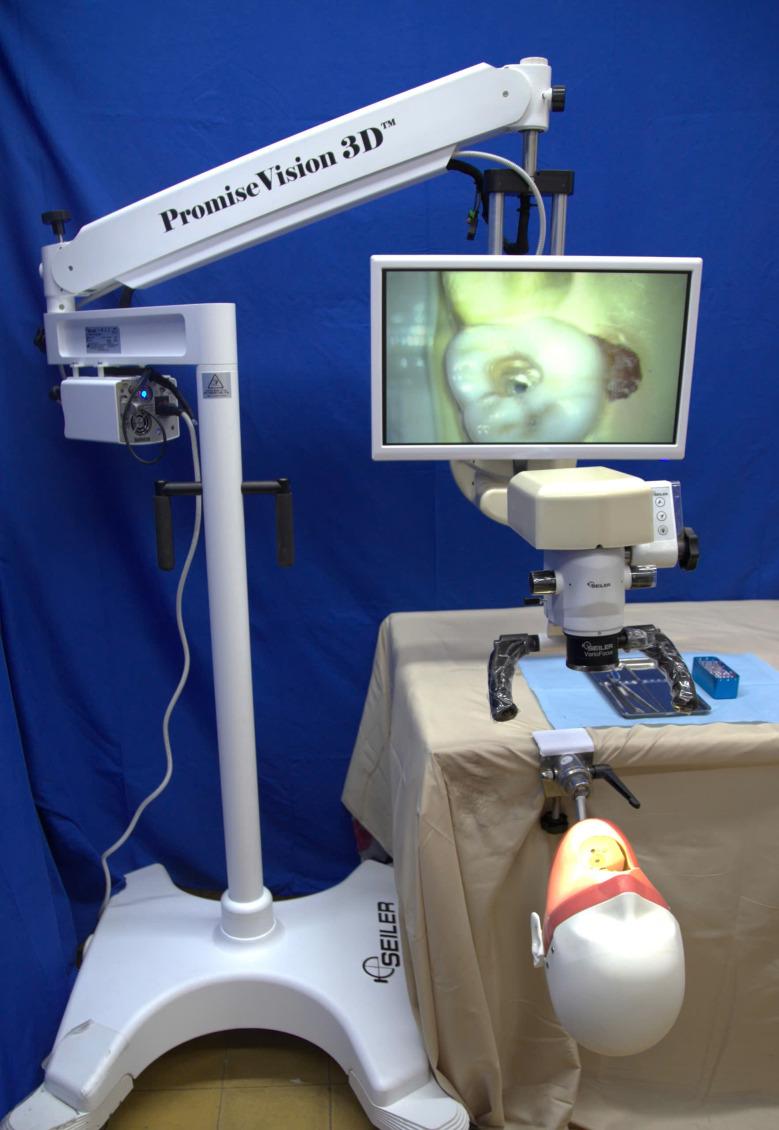
Advancements in dental technology have enhanced diagnostic and treatment tools, with magnification devices improving clinical precision and ergonomics. Dental loupes, conventional dental operating microscopes (DOMs), and three-dimensional digital operating microscopes (3D-DOMs) help overcome visual limitations in intricate procedures. Although widely used globally, adoption in Vietnam remains underreported. This study aimed to assess magnification device utilization in Vietnamese dental practice and education, with a pioneering focus on 3D-DOMs.
METHODS
An online, questionnaire-based observational survey was conducted from October to December 2024. A total of 108 dentists responded, along with 11 dental education institutions and 5 hospitals (2 specialized, 3 general). The 28-item questionnaire, validated by a subject expert (CVI-S = 0.9), was distributed via email and messaging platforms. Google login ensured one response per participant. Data were analyzed using JASP (version 0.19.3) with descriptive statistics and Chi-square tests ( < 0.05).
RESULTS
Awareness was high (96.4%), while actual usage was moderate (62.96%). Usage varied by setting: specialized hospitals (100%) and education institutions (80%) showed higher adoption than general hospitals (33.33%). Dental loupes were most common (55.56%), followed by DOMs (25.93%) and 3D-DOMs (5.56%). Future usage intentions were high, particularly for loupes (81.48%). Endodontics was perceived as the specialty benefiting most. Despite cost being the primary barrier, satisfaction was high. Formal training significantly improved self-rated knowledge and satisfaction.
CONCLUSIONS
Despite cost and ergonomic barriers, magnification devices—especially 3D-DOMs—show strong potential. With improved training and resource allocation, they could significantly enhance diagnostic precision and clinical outcomes in Vietnamese dentistry.
SUPPLEMENTARY INFORMATION
The online version contains supplementary material available at 10.1186/s12903-025-06306-6.
背景
牙科技术的进步提升了诊断和治疗工具,放大设备提高了临床精度和人体工程学性能。牙科放大镜、传统牙科手术显微镜(DOM)和三维数字手术显微镜(3D-DOM)有助于克服复杂手术中的视觉限制。尽管在全球范围内广泛使用,但越南的采用情况报告较少。本研究旨在评估越南牙科实践和教育中放大设备的使用情况,特别关注3D-DOM。
方法
2024年10月至12月进行了一项基于问卷的在线观察性调查。共有108名牙医、11所牙科教育机构和5家医院(2家专科医院、3家综合医院)做出回应。由一名专家验证(CVI-S = 0.9)的28项问卷通过电子邮件和消息平台分发。谷歌登录确保每位参与者只能回复一次。使用JASP(版本0.19.3)进行数据分析,采用描述性统计和卡方检验(< 0.05)。
结果
认知度较高(96.4%),而实际使用率适中(62.96%)。不同机构的使用率有所不同:专科医院(100%)和教育机构(80%)的采用率高于综合医院(33.33%)。牙科放大镜最为常见(55.56%),其次是DOM(25.93%)和3D-DOM(5.56%)。未来的使用意愿较高,尤其是放大镜(81.48%)。牙髓病学被认为是受益最大的专业。尽管成本是主要障碍,但满意度较高。正规培训显著提高了自我评估的知识水平和满意度。
结论
尽管存在成本和人体工程学障碍,但放大设备——尤其是3D-DOM——显示出强大的潜力。通过改进培训和资源分配,它们可以显著提高越南牙科的诊断精度和临床效果。
补充信息
在线版本包含可在10.1186/s12903-025-06306-6获取的补充材料。
 Zotero 插件