
电解氧化水(EO)与过氧乙酸对铜绿假单胞菌质粒介导喹诺酮耐药基因的协同作用
Synergistic effect of electrolyzed oxidized water (EO) and peroxyacetic acid on plasmid-mediated quinolone resistance genes of Pseudomonas aeruginosa.
作者信息
Ghanayem Hanan R, Tolba Khalid, El-Shemy Mariam M G, El-Shenawy Fawzia A
机构信息
Food Hygiene Department, Animal Health Research Institute (AHRI), Agriculture Research Center (ARC), Tanta Lab, Tanta City, Egypt.
References Lab. for Food Safety, Animal Health Research Institute (AHRI), Agriculture Research Center (ARC), Dokki-Giza City, Egypt.
出版信息
World J Microbiol Biotechnol. 2025 Jun 14;41(6):199. doi: 10.1007/s11274-025-04384-w.
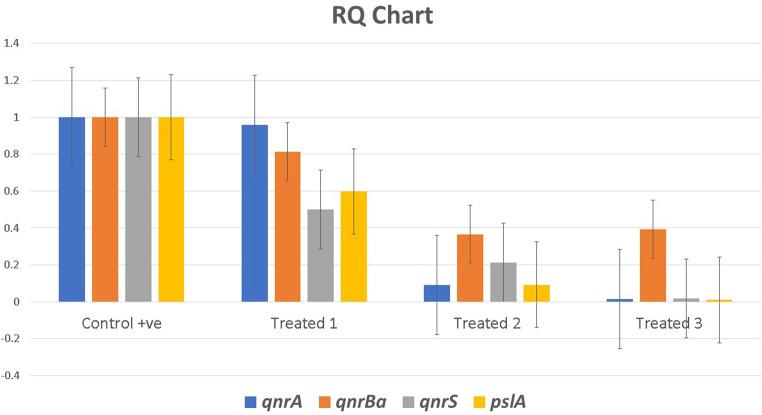
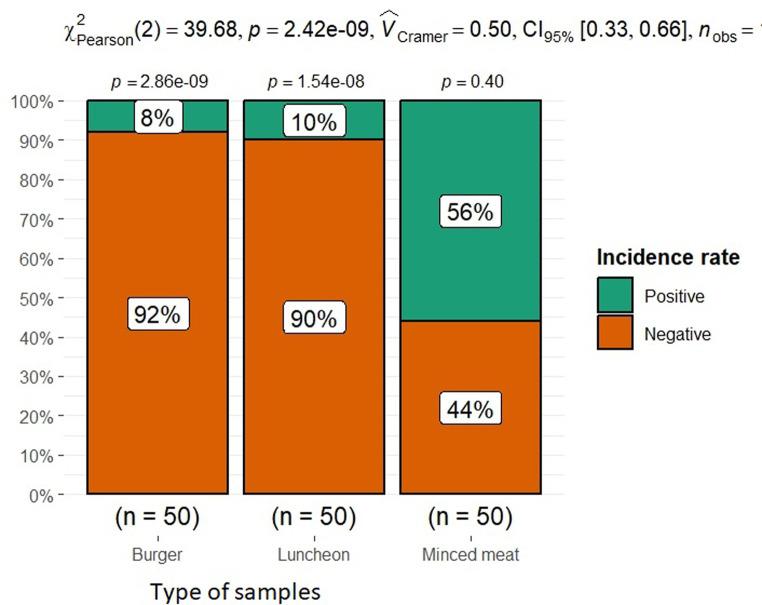
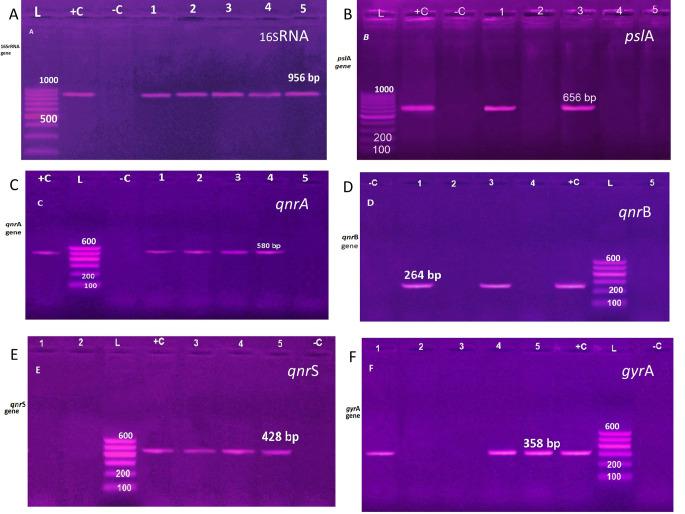
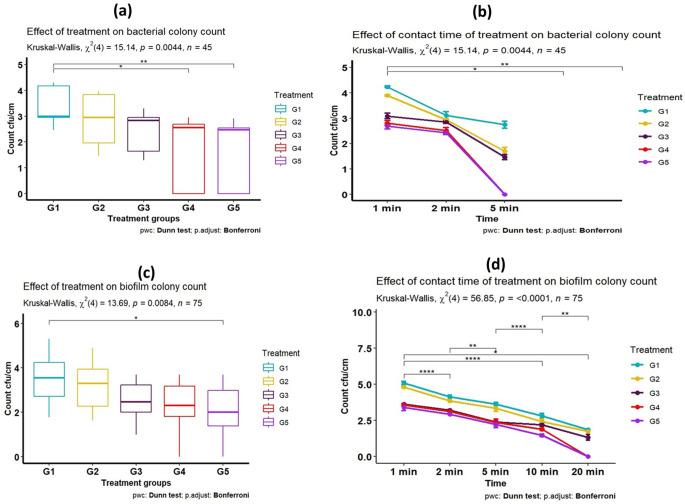
Pseudomonas aeruginosa displays major biofilm formation, food spoilage, and significant losses for the food industry. It extremely exhibits inherent resistance to various antibiotics, including quinolones, which can spread via plasmids. The present study investigates the prevalence of biofilm-forming P. aeruginosa in meat products and assesses its antibiotic resistance patterns. Evaluating the effectiveness of electrolyzed-oxidized water (EOW) and per-acetic acid (PAA) alone or in a combination against P. aeruginosa biofilm formed on stainless steel (SS) surfaces. Besides, the effect on quinolone-resistance (qnr) gene expression level using real-time PCR. P. aeruginosa was isolated from 24.6% of the total tested samples (37/150), with a significant variation observed regarding the contamination levels of the tested products. 36.3% of the isolates demonstrated robust biofilm production, with 82.3% displaying multi-drug resistance (MDR). Isolates revealed complete susceptibility to amikacin (100%) and gentamycin (82%). Quinolone resistance was observed in 23% and 17% of the isolates for ciprofloxacin and levofloxacin, respectively. 80% (4/5) among the confirmed isolates were enclosed the plasmid qnr genes. The genes pslA and gyrA were detected in 40% and 60%, respectively. EOW, particularly when combined with PAA, reveals strong antibacterial activity against P. aeruginosa and greatly decreases its count. Moreover, it can eliminate its biofilm within 20 min of exposure and significantly decrease the expression levels of quinolone-resistant genes. In conclusion, PAA and EOW are effective agents for biofilm control on SS surfaces, particularly when used in combined form, and could be more effective in combating resistant bacterial infections and controlling the spread of PMQR.
铜绿假单胞菌表现出严重的生物膜形成、食品腐败问题,给食品工业造成重大损失。它对包括喹诺酮类在内的多种抗生素具有极强的固有耐药性,耐药性可通过质粒传播。本研究调查了肉制品中形成生物膜的铜绿假单胞菌的流行情况,并评估了其抗生素耐药模式。评估单独使用或联合使用电解氧化水(EOW)和过氧乙酸(PAA)对不锈钢(SS)表面形成的铜绿假单胞菌生物膜的有效性。此外,使用实时PCR检测对喹诺酮耐药(qnr)基因表达水平的影响。从24.6%的总测试样品(37/150)中分离出铜绿假单胞菌,测试产品的污染水平存在显著差异。36.3%的分离株表现出强大的生物膜形成能力,82.3%表现出多重耐药性(MDR)。分离株对阿米卡星(100%)和庆大霉素(82%)完全敏感。分别有23%和17%的分离株对环丙沙星和左氧氟沙星表现出喹诺酮耐药性。在确诊的分离株中,80%(4/5)含有质粒qnr基因。分别在40%和60%的分离株中检测到pslA和gyrA基因。EOW,特别是与PAA联合使用时,对铜绿假单胞菌显示出强大的抗菌活性,并大大降低其数量。此外,它可以在暴露20分钟内消除其生物膜,并显著降低喹诺酮耐药基因的表达水平。总之,PAA和EOW是控制SS表面生物膜的有效试剂,特别是联合使用时,在对抗耐药细菌感染和控制PMQR传播方面可能更有效。

 Zotero 插件