
整合网络药理学与体内验证以探究补阳还五汤治疗心肌缺血再灌注损伤的机制
Integrating Network Pharmacology and in vivo Validation to Explore the Mechanisms of Buyang Huanwu Decoction in Myocardial Ischemia-Reperfusion Injury.
作者信息
Luo Yushan, Hu Wen, Li Ziyue, Zhang Xiaoyuan, Chen Shoujun, Yang Qiang, Hu Bailong, Zou Xiaohua
机构信息
Guizhou Medical University, Guiyang, Guizhou, 550004, People's Republic of China.
Department of Anesthesiology, The Affiliated Hospital of Guizhou Medical University, Guiyang, Guizhou, 550004, People's Republic of China.
出版信息
J Inflamm Res. 2025 Jun 10;18:7493-7514. doi: 10.2147/JIR.S512050. eCollection 2025.
OBJECTIVE
Buyang Huanwu Decoction (BYHWD), a traditional Chinese herbal formula, has been widely used to manage cardiovascular disorders. However, its cardioprotective mechanisms in myocardial ischemia/reperfusion injury (MI/RI) remain unclear. This study aims to investigate its pharmacological mechanisms against MI/RI through network pharmacology and experimental validation.
MATERIALS AND METHODS
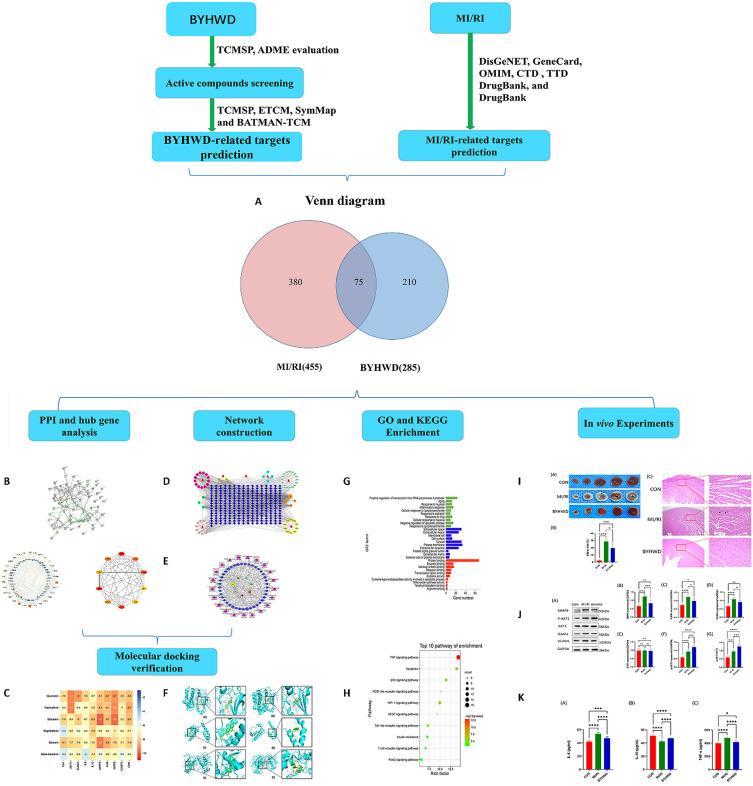
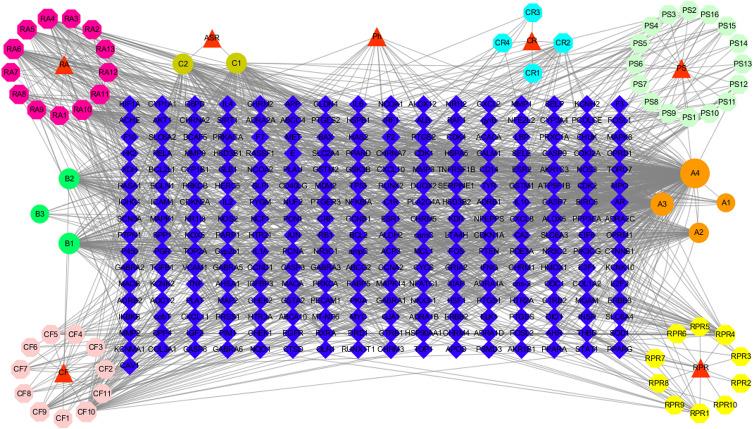
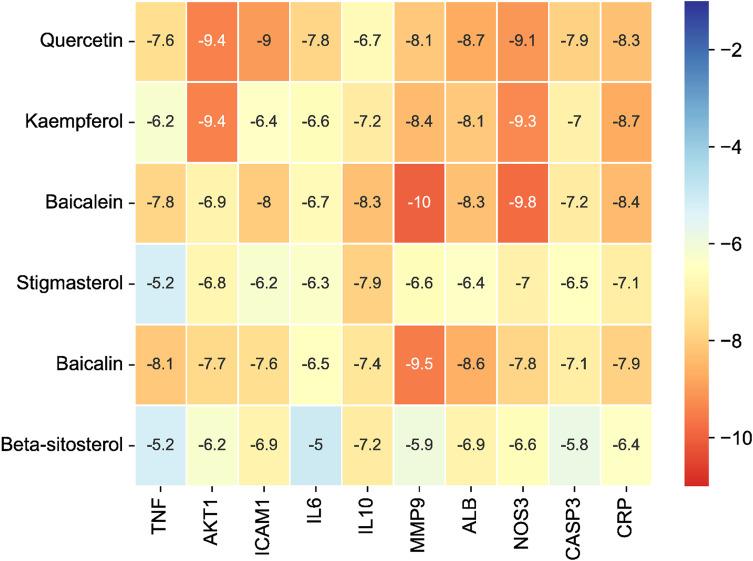
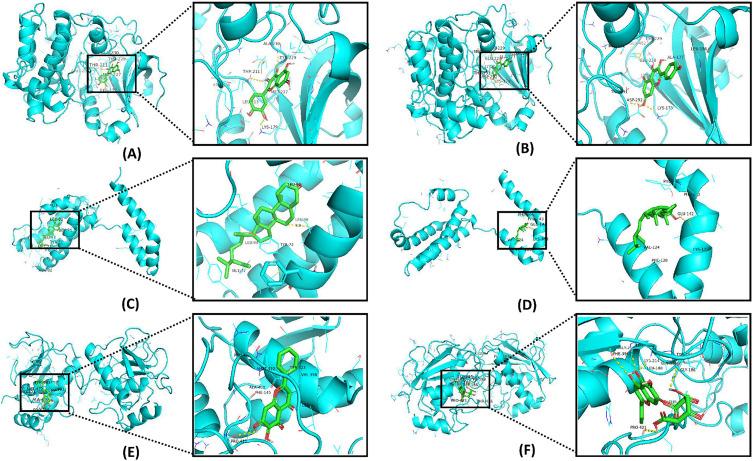
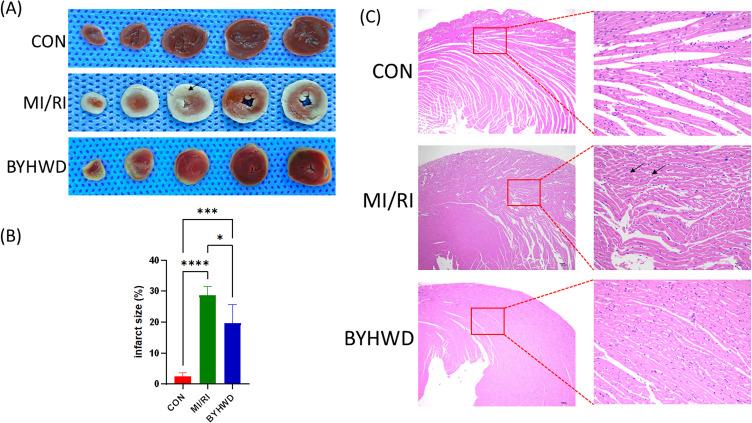
Active components and targets of BYHWD were identified via Traditional Chinese Medicine Systems Pharmacology Database and Analysis Platform, Encyclopedia of Traditional Chinese Medicine, BATMAN-TCM, and SymMap databases. MI/RI-related targets were retrieved from DisGeNET, GeneCard, Online Mendelian Inheritance in Man, Comparative Toxicogenomics Database, and DrugBank databases. The intersecting targets were analyzed using Gene Ontology (GO) and Kyoto Encyclopedia of Genes and Genomes (KEGG) enrichment. Protein-protein interaction (PPI) networks, compound-target networks, and herb-target-pathway networks were constructed using Cytoscape, and molecular docking was performed via AutoDock Vina. A rat MI/RI model was used to assess infarct size, protein expression, and cytokine levels for in vivo validation.
RESULTS
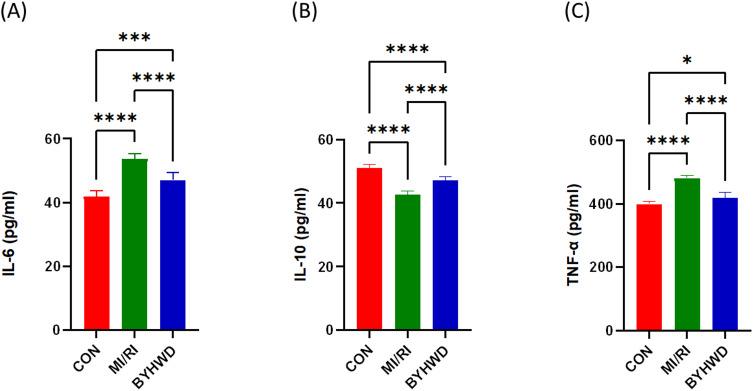
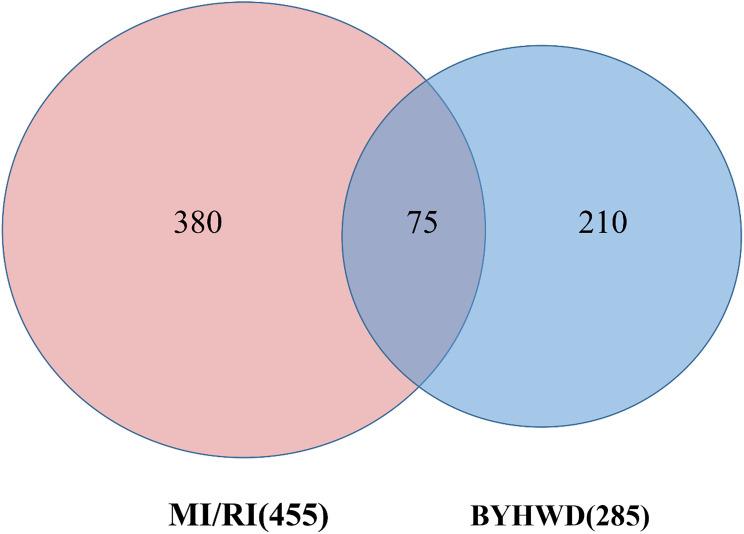
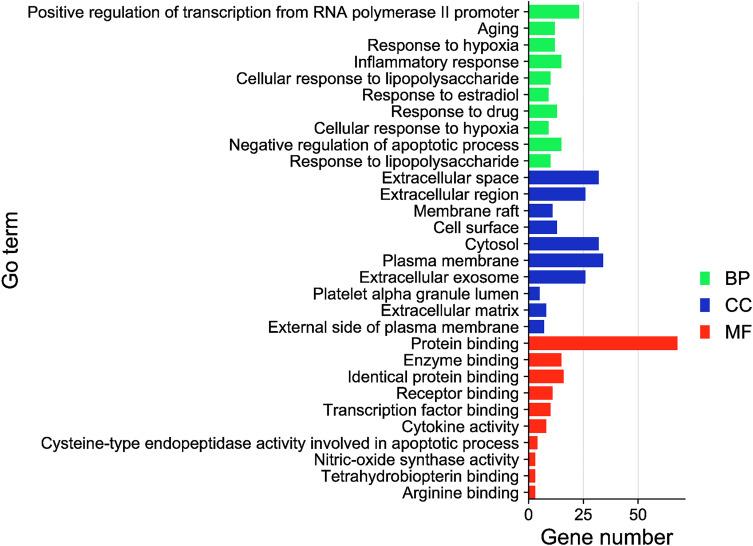
95 compounds were identified, with 75 MI/RI-related targets. PPI analyses highlighted ten hub genes, including interleukin-6 (IL6), AKT serine/threonine kinase 1 (AKT1), tumor necrosis factor (TNF), intercellular adhesion molecule 1 (ICAM1), matrix metalloproteinase 9 (MMP9), interleukin-10 (IL10), vascular cell adhesion molecule 1 (VCAM1), nitric oxide synthase 3, albumin, and C-reactive protein. GO and KEGG analyses highlighted TNF signaling, apoptosis, and p53 signaling pathways. and emerged as core herbs, with , and as key compounds exhibiting strong binding affinities to hub genes. In vivo, BYHWD significantly reduced myocardial infarct size, decreased inflammatory cytokines (IL6 and TNF-α), ICAM1, VCAM1, and MMP9 protein expression, and IL10 and phosphorylated AKT1 expression.
CONCLUSION
BYHWD alleviates MI/RI through multicomponent, multitarget, and multipathway mechanisms, primarily modulating TNF and AKT1-mediated inflammatory/apoptotic pathways. These effects collectively support its potential as a complementary treatment for ischemic heart disease.
目的
补阳还五汤(BYHWD)是一种传统中药配方,已被广泛用于治疗心血管疾病。然而,其在心肌缺血/再灌注损伤(MI/RI)中的心脏保护机制仍不清楚。本研究旨在通过网络药理学和实验验证来探究其抗MI/RI的药理机制。
材料与方法
通过中药系统药理学数据库与分析平台、《中药大辞典》、中药系统药理学数据库(BATMAN-TCM)以及SymMap数据库确定补阳还五汤的活性成分和靶点。从DisGeNET、GeneCard、人类孟德尔遗传在线、比较毒理基因组学数据库以及DrugBank数据库中检索MI/RI相关靶点。使用基因本体论(GO)和京都基因与基因组百科全书(KEGG)富集分析交叉靶点。使用Cytoscape构建蛋白质-蛋白质相互作用(PPI)网络、化合物-靶点网络以及草药-靶点-通路网络,并通过AutoDock Vina进行分子对接。使用大鼠MI/RI模型评估梗死面积、蛋白质表达以及细胞因子水平以进行体内验证。
结果
鉴定出95种化合物,其中有75个与MI/RI相关的靶点。PPI分析突出了10个核心基因,包括白细胞介素-6(IL6)、AKT丝氨酸/苏氨酸激酶1(AKT1)、肿瘤坏死因子(TNF)、细胞间黏附分子1(ICAM1)、基质金属蛋白酶9(MMP9)、白细胞介素-10(IL10)、血管细胞黏附分子1(VCAM1)、一氧化氮合酶3、白蛋白和C反应蛋白。GO和KEGG分析突出了TNF信号通路、细胞凋亡和p53信号通路。黄芪和赤芍成为核心草药,而黄芪甲苷、芍药苷和槲皮素作为关键化合物对核心基因表现出强结合亲和力。在体内,补阳还五汤显著减小心肌梗死面积,降低炎性细胞因子(IL6和TNF-α)、ICAM1、VCAM1和MMP9蛋白表达以及IL10和磷酸化AKT1表达。
结论
补阳还五汤通过多成分、多靶点和多通路机制减轻MI/RI,主要调节TNF和AKT1介导的炎症/凋亡通路。这些作用共同支持其作为缺血性心脏病辅助治疗的潜力。




 Zotero 插件