
抗加氏乳球菌和海豚链球菌的多表位疫苗抗原蛋白筛选及设计以防治鱼类乳球菌病和链球菌病
Antigenic Protein Screening and Design of Multi-Epitope Vaccine Against Lactococcus garvieri and Streptococcus iniae for Combating Lactococcosis and Streptococcosis in Fish.
作者信息
Ranjbar Ramesh, Doosti Abbas, Shakhsi-Niaei Mostafa
机构信息
Department of Biology, ShK.C., Islamic Azad University, Shahrekord, Iran.
Biotechnology Research Center, ShK.C., Islamic Azad University, Shahrekord, Iran.
出版信息
Vet Med Sci. 2025 Jul;11(4):e70465. doi: 10.1002/vms3.70465.
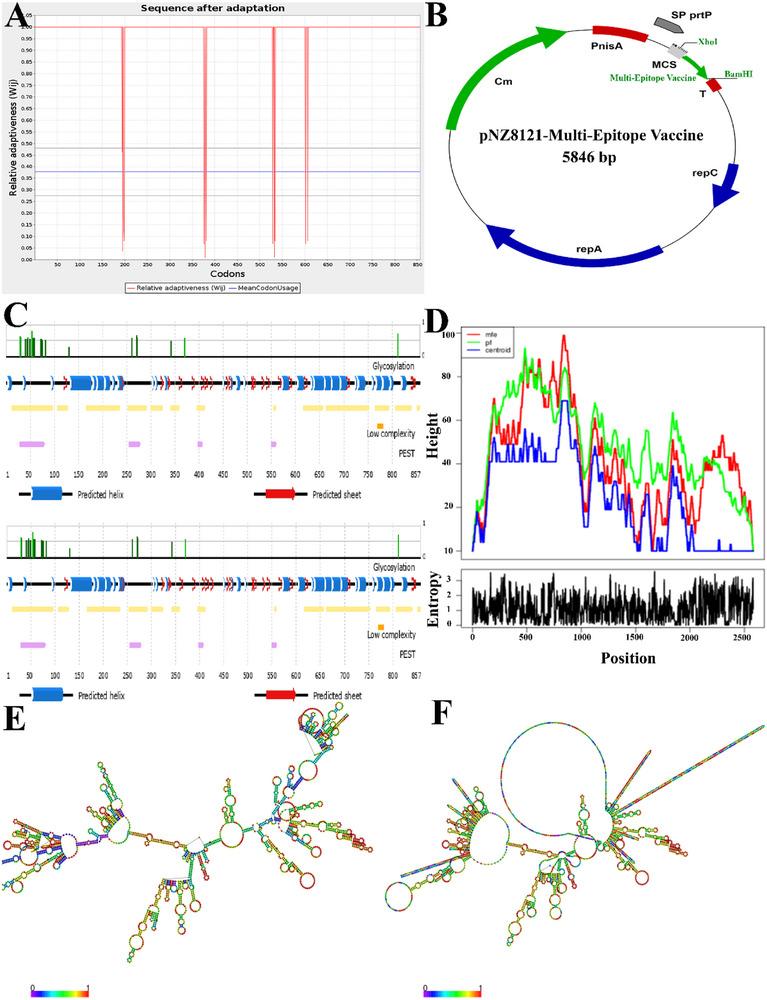
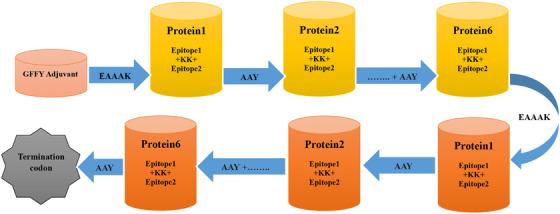
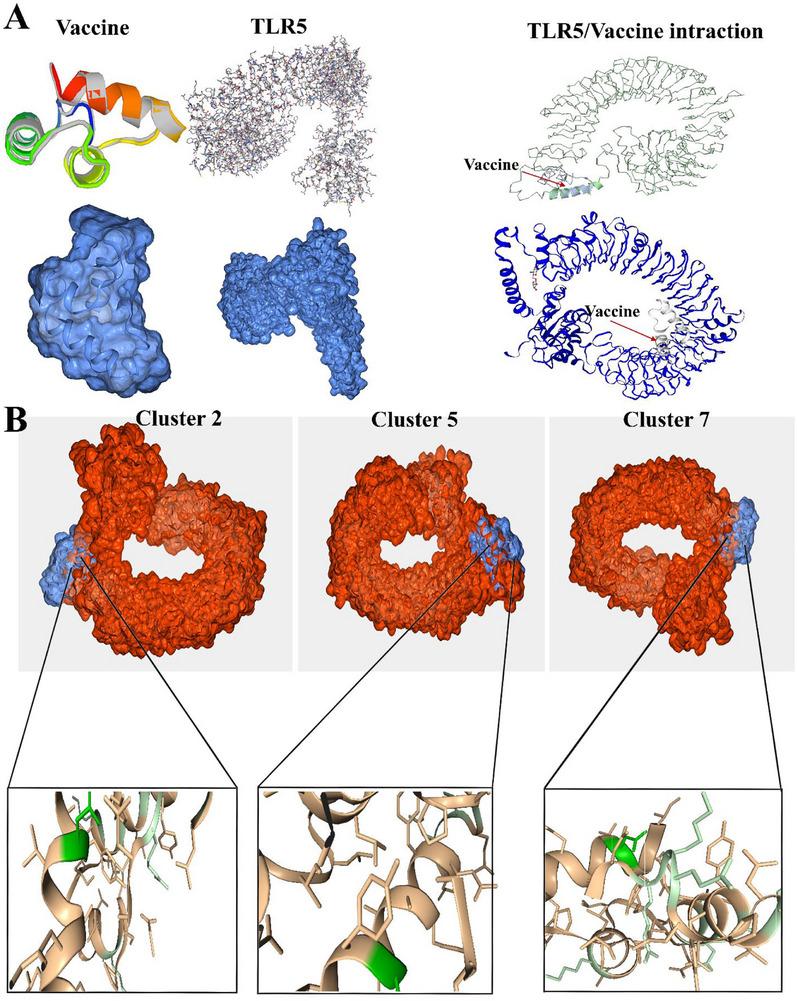
The illness caused by Lactococcus garvieae and Streptococcus iniae is well acknowledged as a disease that results in significant economic losses since it affects a diverse array of fish species. The constraints of existing vaccinations and techniques have prompted the exploration of novel approaches to manage this ailment. Multi-epitope vaccines that use a diverse range of immunogenic proteins have considerable potential. The primary objective of the present research endeavour was to develop a very effective multi-epitope vaccine targeting Streptococcus iniae and Lactococcus garvieae infection in fish. The immunogenic components of Lactococcus garvieae and Streptococcus iniae were used for epitope prediction. A multi-epitope vaccine was constructed using the immunogenic proteins' most effective B cell epitopes and the GFFY adjuvant. Subsequently, an assessment was conducted on many aspects of the developed vaccine, including physicochemical characteristics, antigenicity, secondary structure and tertiary structure. Furthermore, the molecular docking technique was used to study the interaction between the proposed vaccine and its TLR-5 receptor. The nucleotide sequence of the vaccine was subsequently modified to facilitate its expression in Lactococcus lactis. The findings of the current investigation indicate that the vaccine developed exhibited stability, as shown by its molecular weight of 93989.19 Da and antigenicity value of 0.8547. In addition, the study of the vaccine's structure indicated that it consisted of 32.24% alpha helix, with 88.41% of its residues located in the preferred area. The proposed vaccine effectively docked to its TLR5 receptor was shown, resulting in the lowest energy of -995.4. According to the data obtained, the developed vaccine has the potential to effectively prevent infection in fish caused by Lactococcus garvieae and Streptococcus iniae. Our findings suggest that the peptide vaccine might be a favourable choice for prophylaxis against Lactococcus garvieae and Streptococcus iniae.
加氏乳球菌和海豚链球菌引起的疾病是一种会导致重大经济损失的疾病,因为它会影响多种鱼类。现有疫苗和技术的局限性促使人们探索管理这种疾病的新方法。使用多种免疫原性蛋白质的多表位疫苗具有相当大的潜力。本研究的主要目的是开发一种非常有效的针对鱼类海豚链球菌和加氏乳球菌感染的多表位疫苗。利用加氏乳球菌和海豚链球菌的免疫原性成分进行表位预测。使用免疫原性蛋白质最有效的B细胞表位和GFFY佐剂构建了一种多表位疫苗。随后,对所开发疫苗的许多方面进行了评估,包括物理化学特性、抗原性、二级结构和三级结构。此外,使用分子对接技术研究了所提出的疫苗与其TLR-5受体之间的相互作用。随后对疫苗的核苷酸序列进行了修饰,以促进其在乳酸乳球菌中的表达。当前研究结果表明,所开发的疫苗表现出稳定性,其分子量为93989.19 Da,抗原性值为0.8547。此外,对疫苗结构的研究表明,它由32.24%的α螺旋组成,其88.41%的残基位于优选区域。结果表明,所提出的疫苗与TLR5受体有效对接,产生的最低能量为-995.4。根据获得的数据,所开发的疫苗有潜力有效预防鱼类由加氏乳球菌和海豚链球菌引起的感染。我们的研究结果表明,该肽疫苗可能是预防加氏乳球菌和海豚链球菌的理想选择。



 Zotero 插件