
镉相关早衰模型的机制性见解。
Mechanistic insights into cadmium-related premature aging in model.
作者信息
De Donno Maria Dolores, Mercuri Ester, Balena Barbara, Zangaro Francesco, Bozzetti Maria Pia, Specchia Valeria
机构信息
Department of Biological and Environmental Sciences and Technologies, University of Salento, Lecce, Italy.
出版信息
Front Neurosci. 2025 Jun 4;19:1605687. doi: 10.3389/fnins.2025.1605687. eCollection 2025.
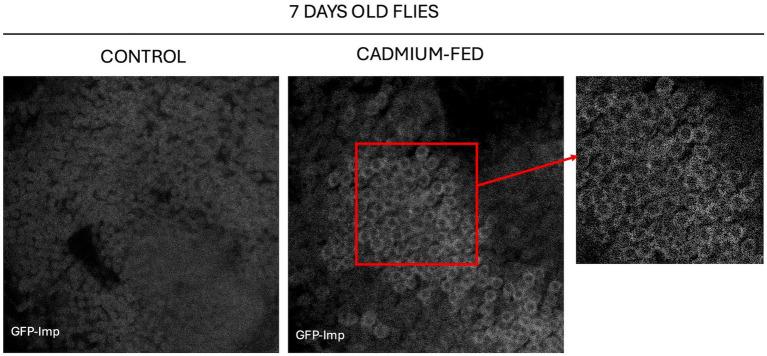
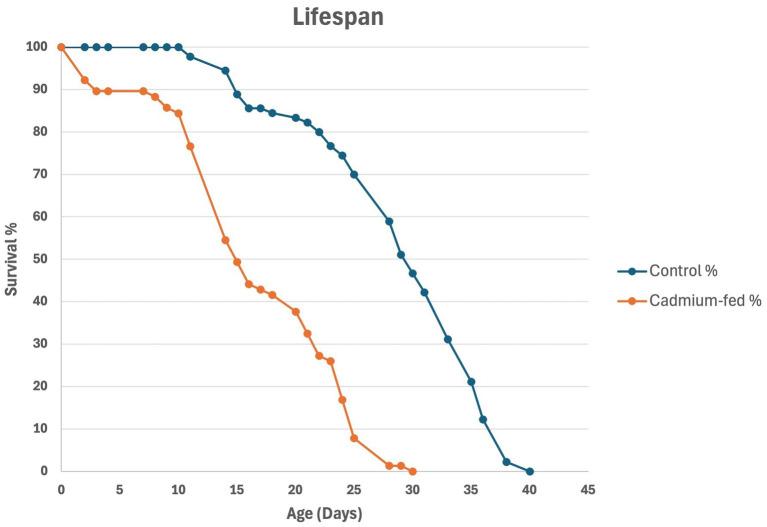
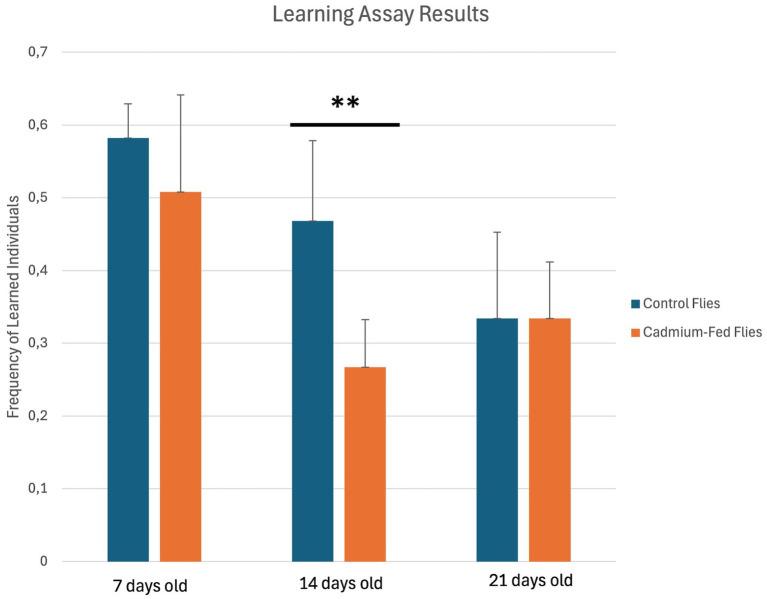
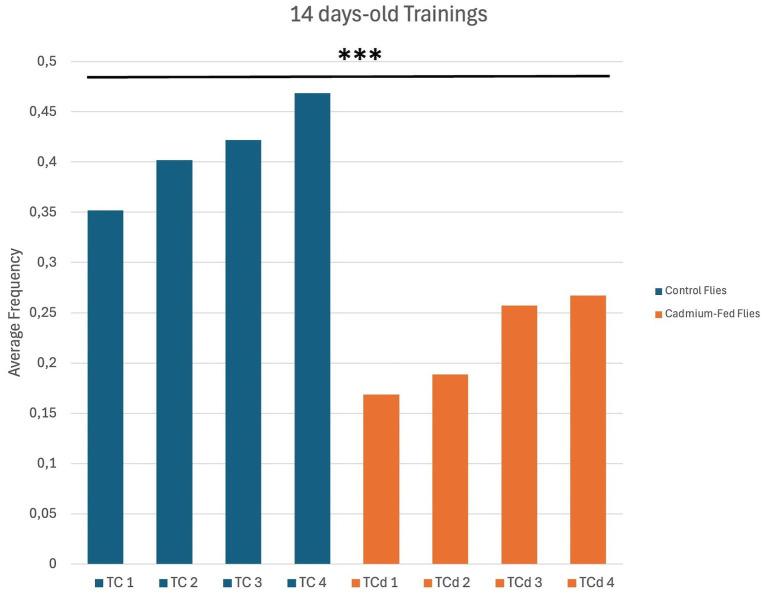
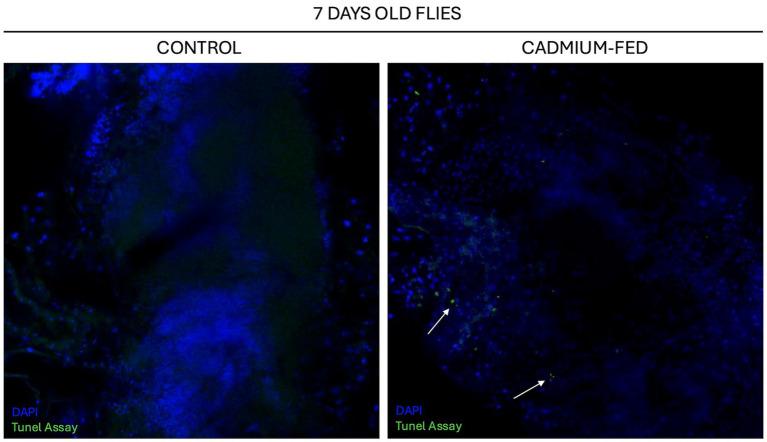
The intricate and multifaceted relationship between environmental pollutants, particularly heavy metals such as cadmium, and human health has been extensively documented, with a significant focus on their neurotoxic effects. Notably, the connection between cadmium exposure and Alzheimer's disease is becoming increasingly evident, prompting a deeper investigation into the underlying mechanisms at play. Despite the growing body of evidence linking cadmium to neurodegeneration and although harmful molecular activities of cadmium in cells have been demonstrated, the precise molecular mechanism induced by this toxic metal within neuronal cells remains largely enigmatic. This study aims to shed light on these mechanistic processes by utilizing a widely recognized model organism in neurogenetics, as our experimental framework. Through a carefully designed approach, we simulated chronic exposure to cadmium, which allowed us to observe the resulting effects on the flies over time. Our findings revealed that chronic cadmium exposure led to premature aging in flies, characterized by neurodegeneration and an exacerbation of complex neurological phenotypes. Notably, these included significant impairments in learning and memory, which are critical cognitive functions often compromised in neurodegenerative conditions. With the aim of exploring the mechanistic underpinnings of these observations, we determined that cadmium impairs RNP formation and could disrupt the delicate process of liquid-liquid phase separation within neuronal cells. This disruption appears to play a pivotal role in initiating the cascade of events that contribute to neurodegeneration. Liquid-liquid phase separation is essential for the proper organization of cellular components and the maintenance of neuronal health; thus, cadmium's interference in this process may provide a crucial insight into its neurotoxic effects.
环境污染物,尤其是镉等重金属,与人类健康之间复杂多面的关系已有大量文献记载,其中重点关注了它们的神经毒性作用。值得注意的是,镉暴露与阿尔茨海默病之间的联系日益明显,这促使人们对其中潜在的作用机制进行更深入的研究。尽管越来越多的证据将镉与神经退行性变联系起来,并且镉在细胞中的有害分子活性也已得到证实,但这种有毒金属在神经元细胞内诱导的确切分子机制在很大程度上仍然是个谜。本研究旨在通过利用神经遗传学中一种广泛认可的模式生物作为我们的实验框架,来阐明这些机制过程。通过精心设计的方法,我们模拟了长期镉暴露,从而能够观察随着时间推移对果蝇产生的影响。我们的研究结果表明,长期镉暴露导致果蝇早衰,其特征为神经退行性变以及复杂神经表型的加剧。值得注意的是,这些表型包括学习和记忆方面的显著损伤,而学习和记忆是神经退行性疾病中经常受损的关键认知功能。为了探究这些观察结果的机制基础,我们确定镉会损害核糖核蛋白(RNP)的形成,并可能破坏神经元细胞内液 - 液相分离的精细过程。这种破坏似乎在引发导致神经退行性变的一系列事件中起关键作用。液 - 液相分离对于细胞成分的正确组织和神经元健康的维持至关重要;因此,镉对这一过程的干扰可能为其神经毒性作用提供关键见解。




 Zotero 插件