
将孕酮封装在灵芝复合物中以实现优化的激素替代和靶向抗癌治疗。
Encapsulation of progesterone in reishi mushroom composite for optimized hormone replacement and targeted anticancer therapy.
作者信息
Mahgoub Samar M, Alawam Abdullah S, Rudayni Hassan A, Allam Ahmed A, Shaban Aya, Khaled Esraa, Mokhtar Aya M, Aleem Abdel Aziz Sahar Abdel, Mahmoud Rehab
机构信息
Materials Science and Nanotechnology Department, Faculty of Postgraduate Studies for Advanced Sciences, Beni-Suef University Egypt
Department of Biology, College of Science, Imam Mohammad Ibn Saud Islamic University (IMSIU) Riyadh 11623 Saudi Arabia
出版信息
RSC Adv. 2025 Jun 20;15(24):19392-19416. doi: 10.1039/d5ra02368h. eCollection 2025 Jun 4.
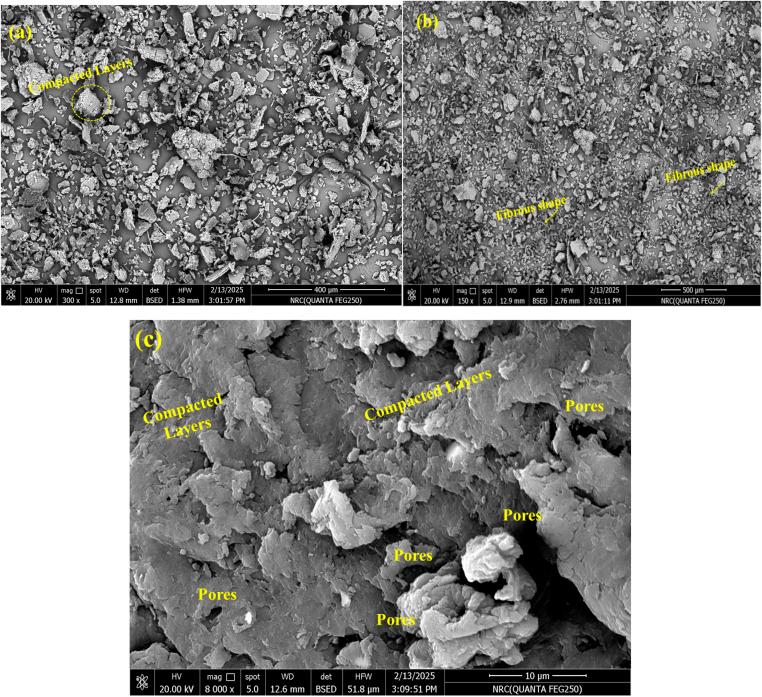
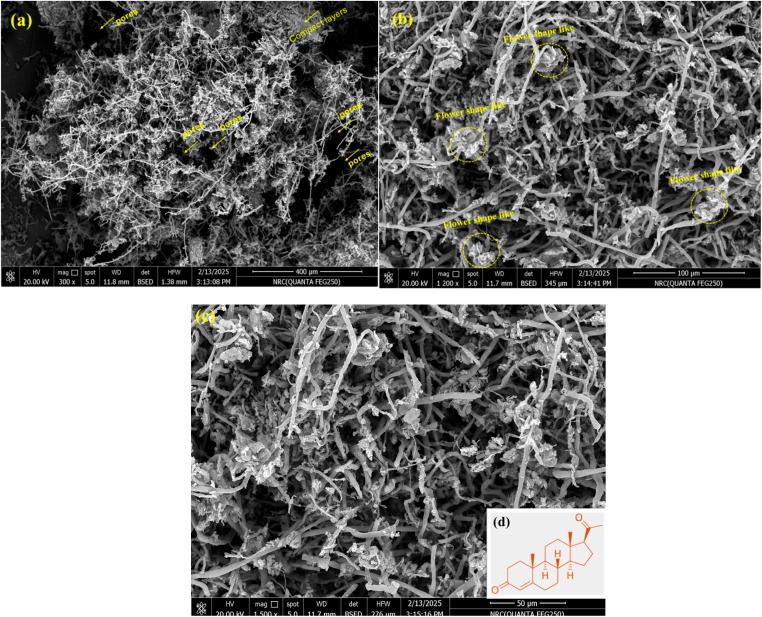
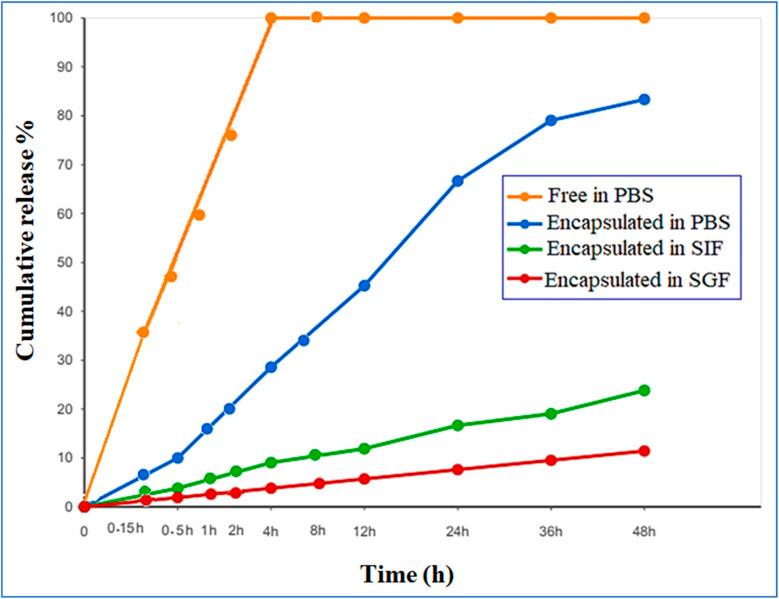
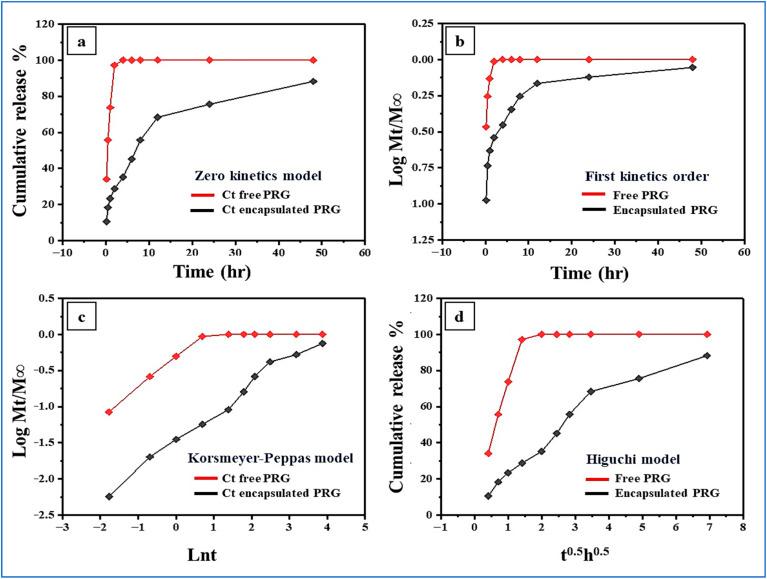
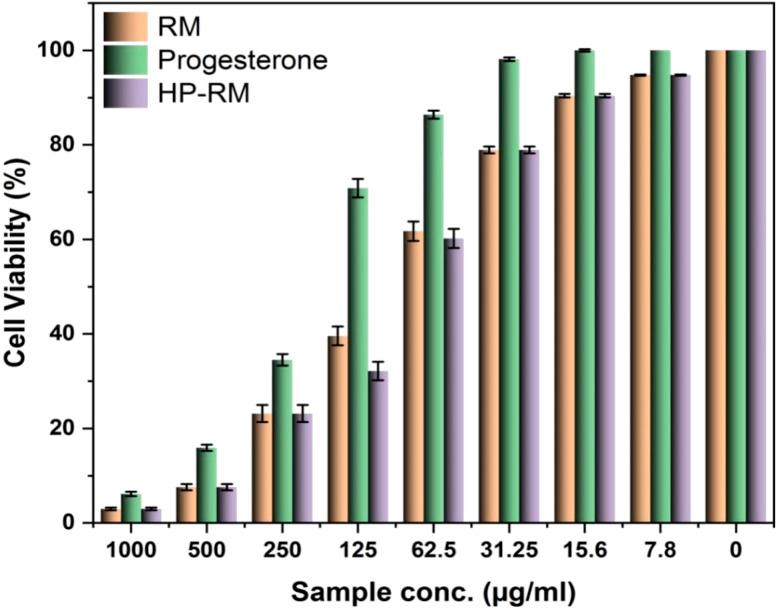
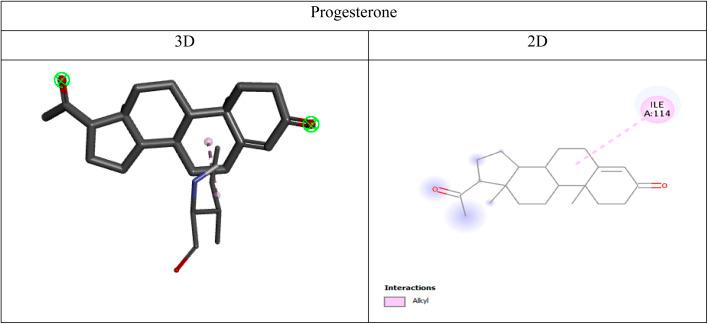
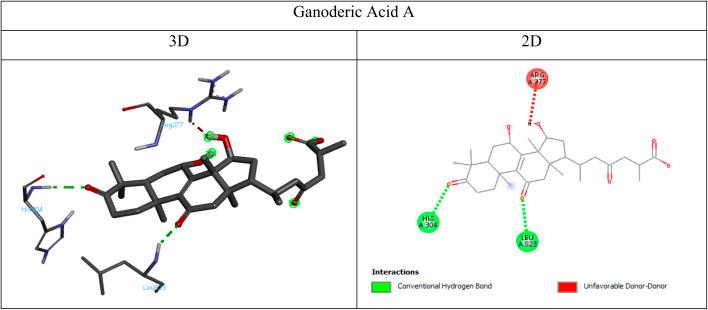
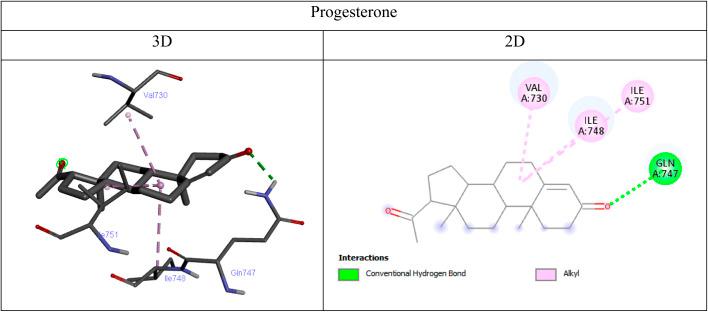
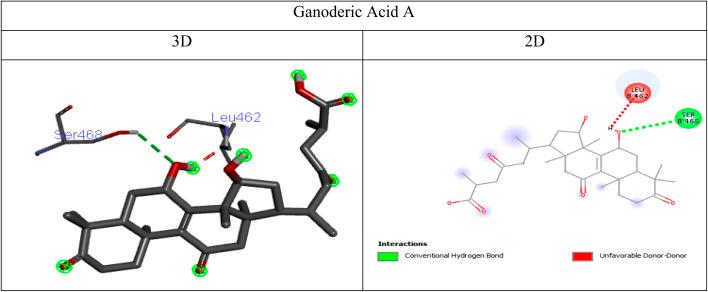
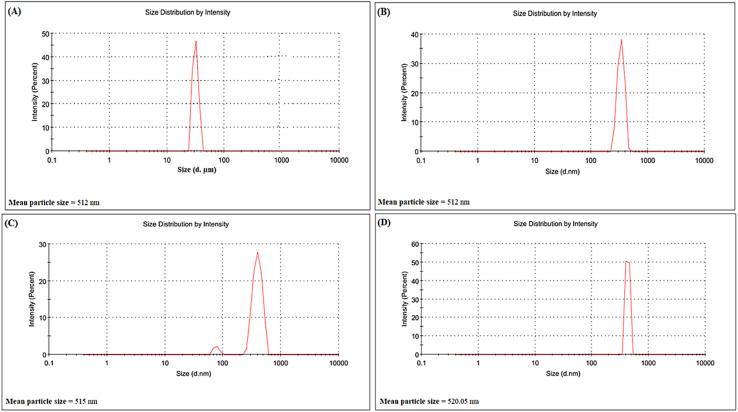
Conventional hormone replacement therapy (HRT) and hormone-dependent cancer treatments face significant challenges, including poor bioavailability, rapid metabolism, and adverse side effects of progesterone, as well as limited targeting efficiency and systemic toxicity. To address these issues, this study develops an innovative progesterone-reishi mushroom () composite, leveraging the natural bioactive properties of reishi mushrooms to enhance therapeutic efficacy. The composite was prepared by encapsulating progesterone within the reishi mushroom matrix, achieving a high loading efficiency of 98.10%. Characterization using FTIR, SEM, XRD, and UV-Vis confirmed successful encapsulation and interaction between progesterone and the mushroom matrix. release studies demonstrated a sustained and controlled release profile, with 88.25% of progesterone released over 48 hours, compared to the rapid and complete release of free progesterone within 2-4 hours. Kinetic modeling revealed a non-Fickian diffusion mechanism, indicating a synergistic interaction between the hormone and the mushroom matrix. cytotoxicity assays on MCF-7 breast cancer cells showed that the composite exhibited enhanced anticancer activity, with an IC of 81.11 μg mL, significantly lower than free progesterone (IC = 123.12 μg mL). Molecular docking studies highlighted the strong binding affinities of ganoderic acid A (a bioactive compound from reishi mushrooms) and progesterone with key receptors (PCL-2, PI3K, PR, ERα), suggesting potential synergistic effects in hormone regulation and cancer inhibition. Antimicrobial assays revealed the composite's potent activity against Gram-positive pathogens, such as (MIC = 41.60 μg mL) and (MIC = 52.10 μg mL), with bactericidal effects (MBC/MIC < 4). Accelerated stability testing (40 ± 2 °C/75 ± 5% RH, 6 months) showed >94% progesterone retention, sustained release, stable colloidal properties, and minimal loss of antimicrobial activity against bacteria and , confirming its stability and efficacy. This research demonstrates the promise of combining natural bioactive compounds with synthetic hormones for targeted, effective therapies. The progesterone-reishi mushroom composite offers a dual-action approach, integrating hormonal regulation with anticancer and antimicrobial properties, paving the way for novel treatments in women's health and cancer therapy.
传统的激素替代疗法(HRT)和激素依赖性癌症治疗面临着重大挑战,包括生物利用度低、代谢迅速、孕酮的不良副作用,以及靶向效率有限和全身毒性。为了解决这些问题,本研究开发了一种创新的孕酮-灵芝复合制剂,利用灵芝的天然生物活性特性来提高治疗效果。该复合制剂是通过将孕酮包裹在灵芝基质中制备而成,装载效率高达98.10%。使用傅里叶变换红外光谱(FTIR)、扫描电子显微镜(SEM)、X射线衍射(XRD)和紫外可见光谱(UV-Vis)进行表征,证实了孕酮与灵芝基质之间成功实现了包裹和相互作用。释放研究表明其具有持续和可控的释放曲线,48小时内释放了88.25%的孕酮,而游离孕酮在2-4小时内迅速完全释放。动力学建模揭示了一种非菲克扩散机制,表明激素与灵芝基质之间存在协同相互作用。对MCF-7乳腺癌细胞的细胞毒性试验表明,该复合制剂表现出增强的抗癌活性,半数抑制浓度(IC)为81.11μg/mL,显著低于游离孕酮(IC = 123.12μg/mL)。分子对接研究突出了灵芝酸A(一种来自灵芝的生物活性化合物)和孕酮与关键受体(PCL-2、PI3K、PR、ERα)的强结合亲和力,表明在激素调节和癌症抑制方面可能存在协同效应。抗菌试验表明该复合制剂对革兰氏阳性病原体具有强大活性,如金黄色葡萄球菌(MIC = 41.60μg/mL)和枯草芽孢杆菌(MIC = 52.10μg/mL),具有杀菌作用(MBC/MIC < 4)。加速稳定性试验(40±2°C/75±5%RH,6个月)显示孕酮保留率>94%,持续释放,胶体性质稳定,对金黄色葡萄球菌和枯草芽孢杆菌的抗菌活性损失最小,证实了其稳定性和有效性。这项研究证明了将天然生物活性化合物与合成激素相结合用于靶向有效治疗的前景。孕酮-灵芝复合制剂提供了一种双重作用方法,将激素调节与抗癌和抗菌特性相结合,为女性健康和癌症治疗的新疗法铺平了道路。





 Zotero 插件