
对微小RNA在软蜱唾液腺中的调控作用的见解 以及。 (你提供的原文似乎不太完整,翻译可能会存在一定局限性。)
Insights into the Regulatory Roles of miRNAs in the Salivary Glands of the Soft Ticks and .
作者信息
Cano-Argüelles Ana Laura, Pérez-Sánchez Ricardo, Gallardo-Escárate Cristian, Vizcaíno-Marín Rocío, González-Sánchez María, Oleaga Ana
机构信息
Parasitología Animal, Instituto de Recursos Naturales y Agrobiología de Salamanca, (IRNASA-CSIC), Cordel de Merinas, 40-52, 37008 Salamanca, Spain.
Laboratory of Biotechnology and Aquatic Genomics, Department of Oceanography, University of Concepcion, Concepcion 4030000, Chile.
出版信息
Pathogens. 2025 Jun 17;14(6):595. doi: 10.3390/pathogens14060595.
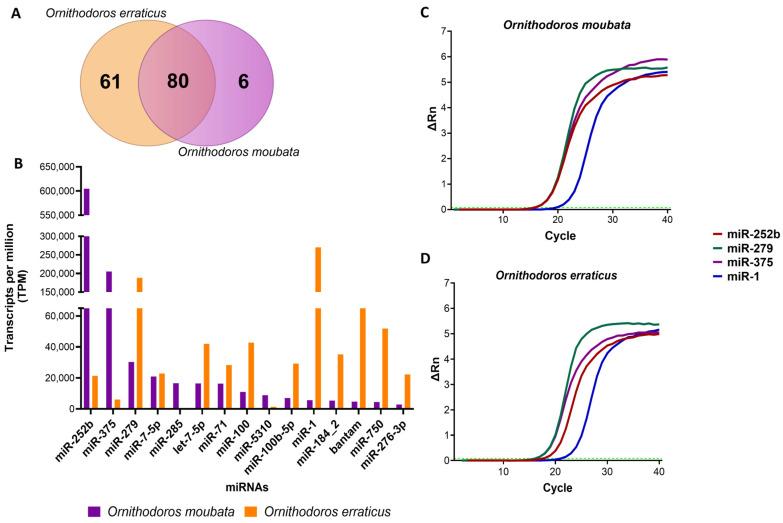
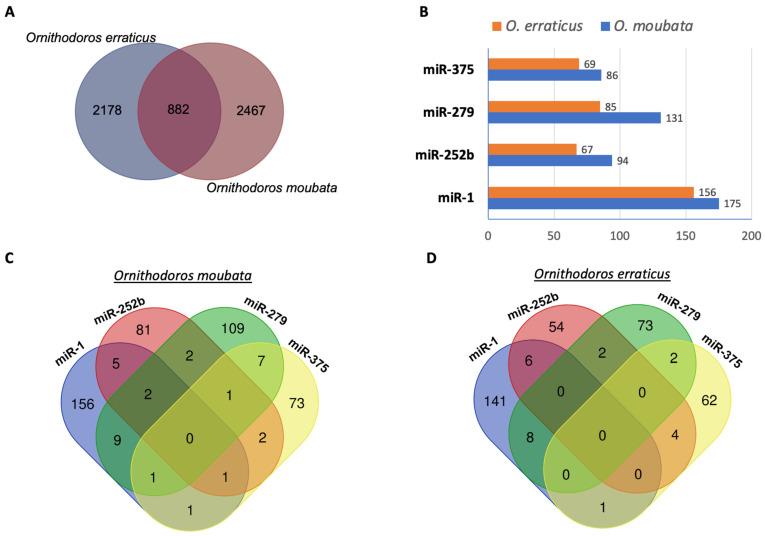
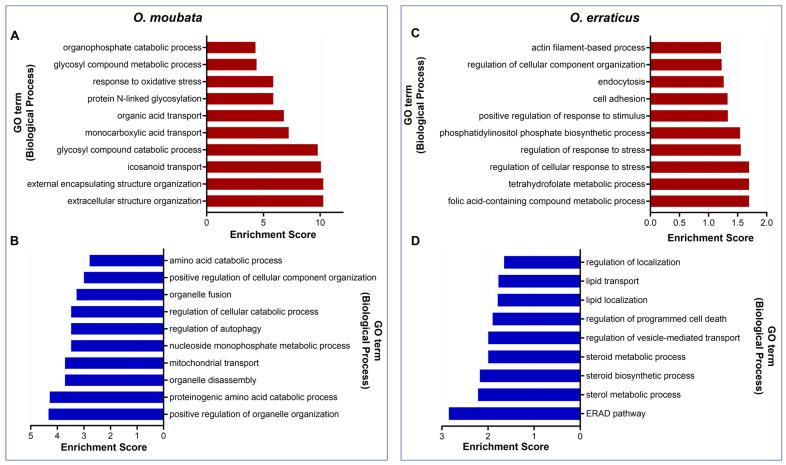
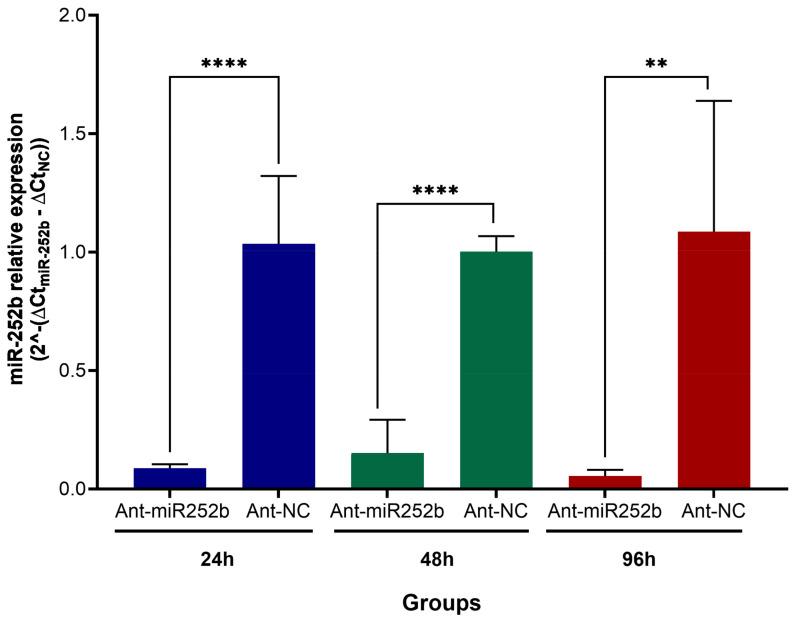
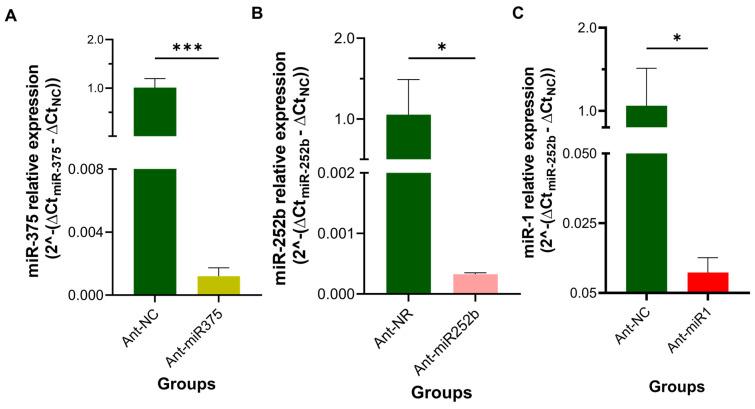
MicroRNAs (miRNAs) are small non-coding RNAs that regulate gene expression by inhibiting or degrading messenger RNAs (mRNAs). In ticks, salivary miRNAs are proposed to play key roles in modulating host-vector interactions during blood feeding. Previously, we identified salivary miRNAs in and , major vectors of African swine fever and tick-borne human relapsing fever. In this study, we investigated the regulatory roles of salivary miRNAs in tick biology. Salivary miRNA datasets were re-analysed to identify conserved miRNAs, and putative target genes were predicted using the sialotranscriptomes of both species. In silico predictions were validated through experimental inhibition of specific miRNAs using antagomirs. Knockdown of miR-375 and miR-1 significantly reduced blood intake, oviposition, and fertility, indicating their involvement in feeding and reproductive processes. Silencing miR-252b in led to increased mortality, suggesting a critical role in survival. Notably, Metis1 was identified as a likely target of miR-252b, and its dysregulation may underlie the observed lethality in miR-252b-silenced ticks. These findings highlight the functional relevance of salivary miRNAs in tick physiology and host interaction, offering new perspectives for the development of innovative tick control strategies.
微小RNA(miRNA)是一类小的非编码RNA,通过抑制或降解信使RNA(mRNA)来调节基因表达。在蜱虫中,唾液miRNA被认为在血液摄取过程中调节宿主与媒介的相互作用中发挥关键作用。此前,我们在非洲猪瘟和蜱传人类回归热的主要传播媒介钝缘蜱属和软蜱属中鉴定出了唾液miRNA。在本研究中,我们调查了唾液miRNA在蜱虫生物学中的调节作用。对唾液miRNA数据集进行重新分析以鉴定保守的miRNA,并使用这两个物种的唾液转录组预测推定的靶基因。通过使用抗miR对特定miRNA进行实验性抑制来验证计算机模拟预测。敲低miR-375和miR-1显著降低了血液摄取、产卵和繁殖力,表明它们参与了摄食和生殖过程。在软蜱属中沉默miR-252b导致死亡率增加,表明其在生存中起关键作用。值得注意的是,Metis1被鉴定为miR-252b的一个可能靶标,其失调可能是miR-252b沉默的蜱虫中观察到的致死率的基础。这些发现突出了唾液miRNA在蜱虫生理学和宿主相互作用中的功能相关性,为开发创新的蜱虫控制策略提供了新的视角。

 Zotero 插件