
产后激素变化对免疫系统的影响及其在恢复过程中的作用。
Effects of postpartum hormonal changes on the immune system and their role in recovery.
作者信息
Wu Xueqin, Jin Rong
机构信息
Department of Obstetrics and Gynaecology, The People's Hospital of Danyang, Affiliated Danyang Hospital of Nantong University, Danyang, China.
出版信息
Acta Biochim Pol. 2025 Jun 11;72:14241. doi: 10.3389/abp.2025.14241. eCollection 2025.
BACKGROUND
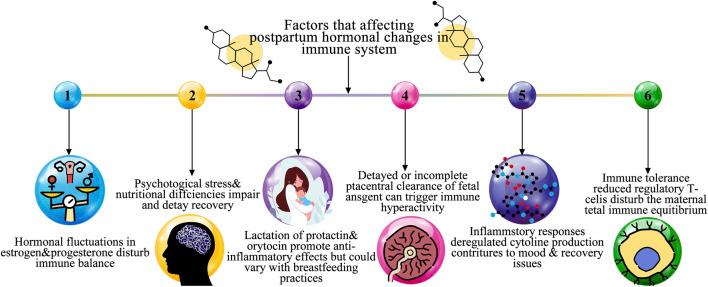
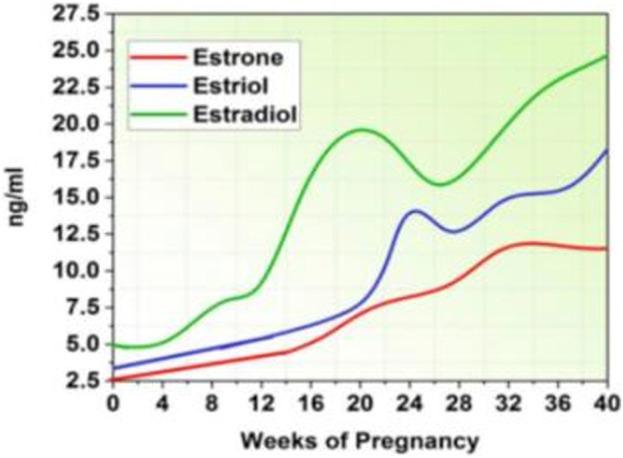
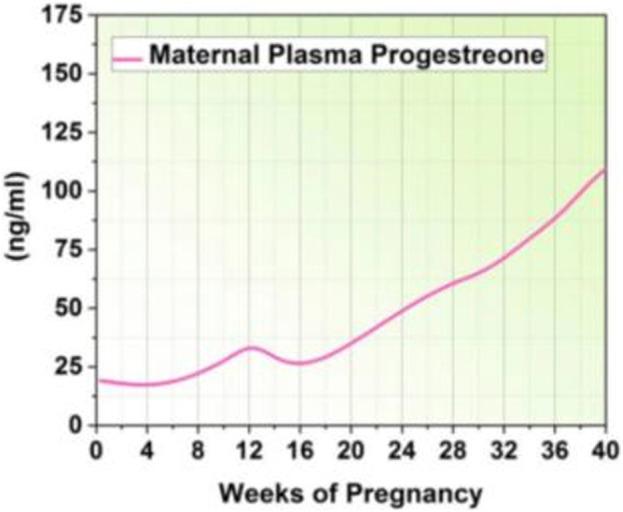
The postpartum period involves complex physiological changes, notably in hormone levels, that significantly influence immune system function. Hormonal regulation during pregnancy prevents maternal immune rejection of the fetus, but following childbirth, these hormone levels drop rapidly, leading to immune reconstitution.
AIM
This review investigates the impact of hormonal changes on immune system dynamics during the postpartum period and highlights their implications for maternal recovery.
METHODS
The study analyzed current literature, focusing on hormonal influences, particularly cortisol, prolactin, estrogen, and progesterone, on immune reconstitution with associated inflammatory responses in the postpartum period.
RESULTS
Postpartum immune reactivation, triggered by hormonal shifts, can lead to a resurgence of inflammatory reactions. This process, characterized by increased cortisol and prolactin levels and a rapid decline in estrogen and progesterone, could exacerbate dormant autoimmune conditions or trigger latent infections, making this period especially vulnerable to immune-related complications.
CONCLUSION
Hormonal and immune responses are closely interdependent in the postpartum period, leading to heightened susceptibility to infections, autoimmune flare-ups, and other immune-related disorders. For improved postpartum care and enhanced maternal health outcomes, more research is necessary to clarify the mechanism of immune reconstitution, find possible hormonal indicators, and create focused therapeutic approaches. This review further highlights the critical role of hormonal-immune crosstalk in postpartum mood disorders (PPD, postpartum anxiety [PPA], and postpartum psychosis [PP]), proposing integrated biomarkers for early intervention.
背景
产后时期涉及复杂的生理变化,尤其是激素水平的变化,这会显著影响免疫系统功能。孕期的激素调节可防止母体对胎儿产生免疫排斥,但分娩后,这些激素水平迅速下降,导致免疫重建。
目的
本综述探讨产后时期激素变化对免疫系统动态的影响,并强调其对母体恢复的意义。
方法
该研究分析了当前的文献,重点关注激素影响,特别是皮质醇、催乳素、雌激素和孕激素对产后免疫重建及相关炎症反应的影响。
结果
由激素变化引发的产后免疫激活可导致炎症反应的复发。这一过程的特征是皮质醇和催乳素水平升高,雌激素和孕激素迅速下降,可能会加剧潜伏的自身免疫性疾病或引发潜伏感染,使这一时期特别容易出现免疫相关并发症。
结论
产后时期激素和免疫反应密切相互依存,导致对感染、自身免疫发作及其他免疫相关疾病的易感性增加。为了改善产后护理并提高母体健康结果,有必要进行更多研究以阐明免疫重建机制、寻找可能的激素指标并制定针对性的治疗方法。本综述进一步强调了激素 - 免疫相互作用在产后情绪障碍(产后抑郁症、产后焦虑症和产后精神病)中的关键作用,提出了用于早期干预的综合生物标志物。

 Zotero 插件