
利用集成机器学习在心脏CT中自动检测心外膜脂肪组织以改善诊断
Automated detection of epicardial adipose tissue in cardiac CT using ensemble machine learning for improved diagnosis.
作者信息
S Jasmine, P Marichamy
机构信息
Department of Electronics and Communication Engineering, P.S.R Engineering College, Sivakasi, Tamilnadu, India, 626140.
出版信息
MethodsX. 2025 May 31;14:103410. doi: 10.1016/j.mex.2025.103410. eCollection 2025 Jun.
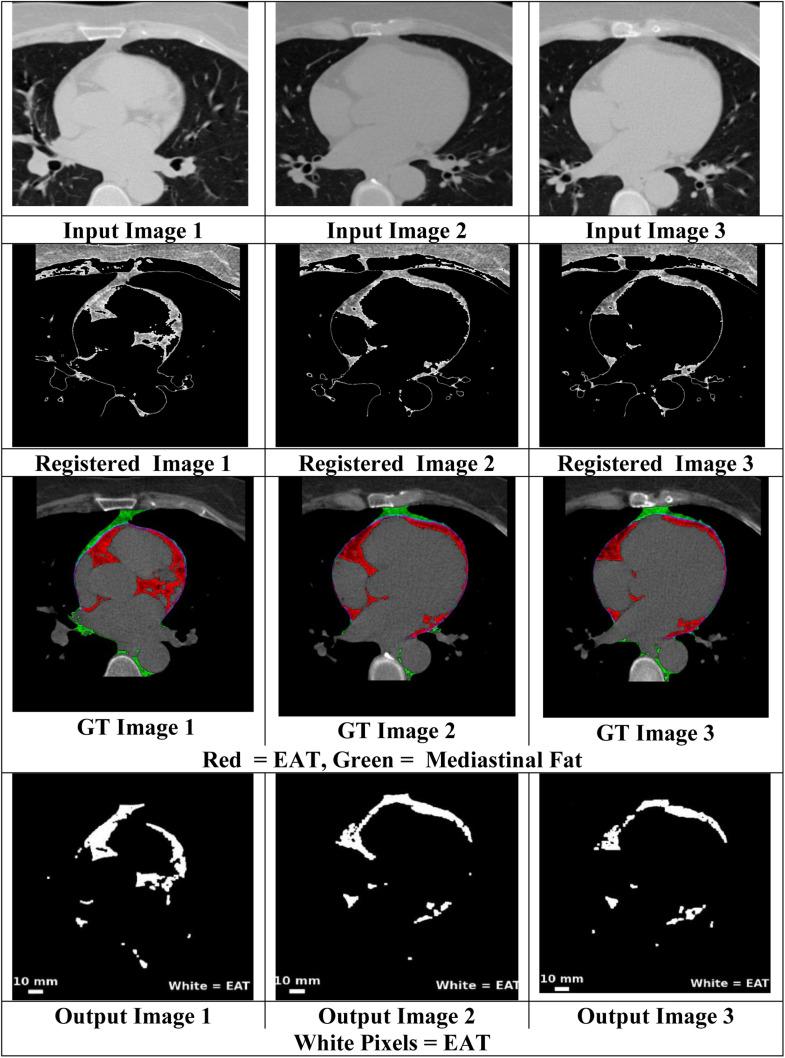
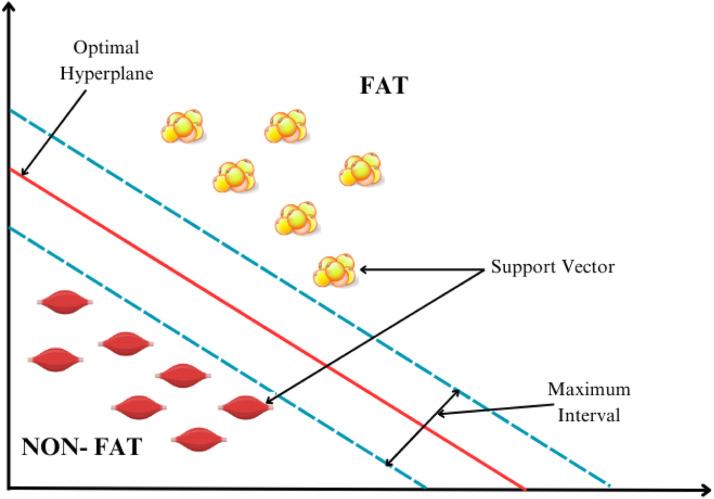
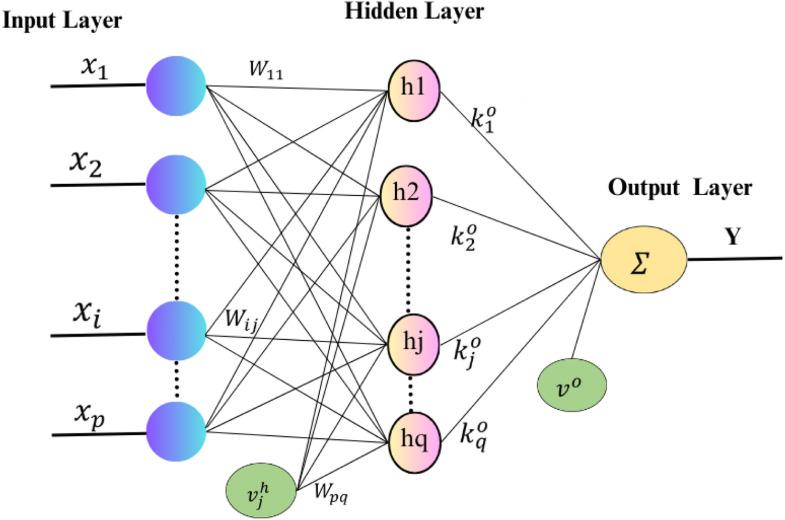
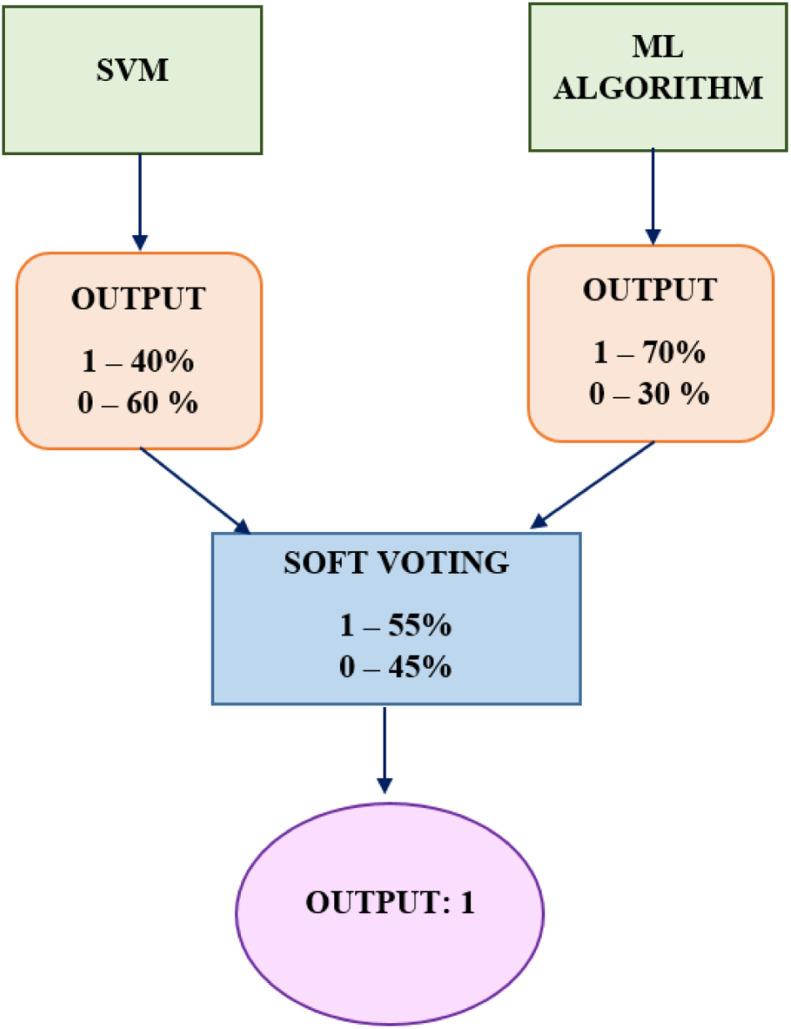
Cardiovascular diseases remain a major global health concern, with epicardial adipose tissue (EAT) serving as a critical indicator for assessing cardiovascular risk. Performing manual delineation of epicardial adipose tissue (EAT) on cardiac CT scans is a labour-intensive process and can be susceptible to inaccuracies. This study presents an automated machine learning-based approach to improve the accuracy and efficiency of EAT segmentation. A dataset of 878 cardiac CT images from 20 patients is used. Pre-processing involved contrast enhancement and feature extraction using the Grey-Level Co-occurrence Matrix (GLCM). An ensemble machine learning model combining Support Vector Machine (SVM) and Artificial Neural Network (ANN) is developed for segmentation. The model's performance was evaluated using accuracy, precision, recall, Dice score, and classification time. The key highlights of the proposed method are:• using a hybrid ensemble approach (SVM + ANN).• enhances segmentation accuracy.• over traditional methods, reducing processing time and increasing precision.This method offers a promising solution for automated EAT detection, enabling efficient cardiovascular risk assessment.
心血管疾病仍然是全球主要的健康问题,心外膜脂肪组织(EAT)是评估心血管风险的关键指标。在心脏CT扫描上手动勾勒心外膜脂肪组织(EAT)是一个劳动密集型过程,并且容易出现不准确的情况。本研究提出了一种基于机器学习的自动化方法,以提高EAT分割的准确性和效率。使用了来自20名患者的878张心脏CT图像数据集。预处理包括使用灰度共生矩阵(GLCM)进行对比度增强和特征提取。开发了一种结合支持向量机(SVM)和人工神经网络(ANN)的集成机器学习模型用于分割。使用准确率、精确率、召回率、骰子系数和分类时间对模型性能进行评估。所提出方法的主要亮点包括:• 使用混合集成方法(SVM + ANN)。• 提高分割准确性。• 优于传统方法,减少处理时间并提高精确率。该方法为自动化EAT检测提供了一个有前景的解决方案,能够实现高效的心血管风险评估。


 Zotero 插件