
一些第二和第三周期晚期过渡金属钳型-杂环卡宾配合物的概述:合成、光学性质及应用
Overview of Some Second- and Third-Row Late Transition Metal Pincer-Type -Heterocyclic Carbene Complexes: Synthesis, Optical Properties, and Applications.
作者信息
Kuang Dong-Ling, Li Ka-Kit, Chung Lai-Hon, He Jun, Wong Chun-Yuen
机构信息
School of Chemical Engineering and Light Industry, Guangdong University of Technology, Guangzhou 510006, China.
Department of Chemistry, City University of Hong Kong, Tat Chee Avenue, Kowloon, Hong Kong SAR, China.
出版信息
Molecules. 2025 Jun 18;30(12):2640. doi: 10.3390/molecules30122640.
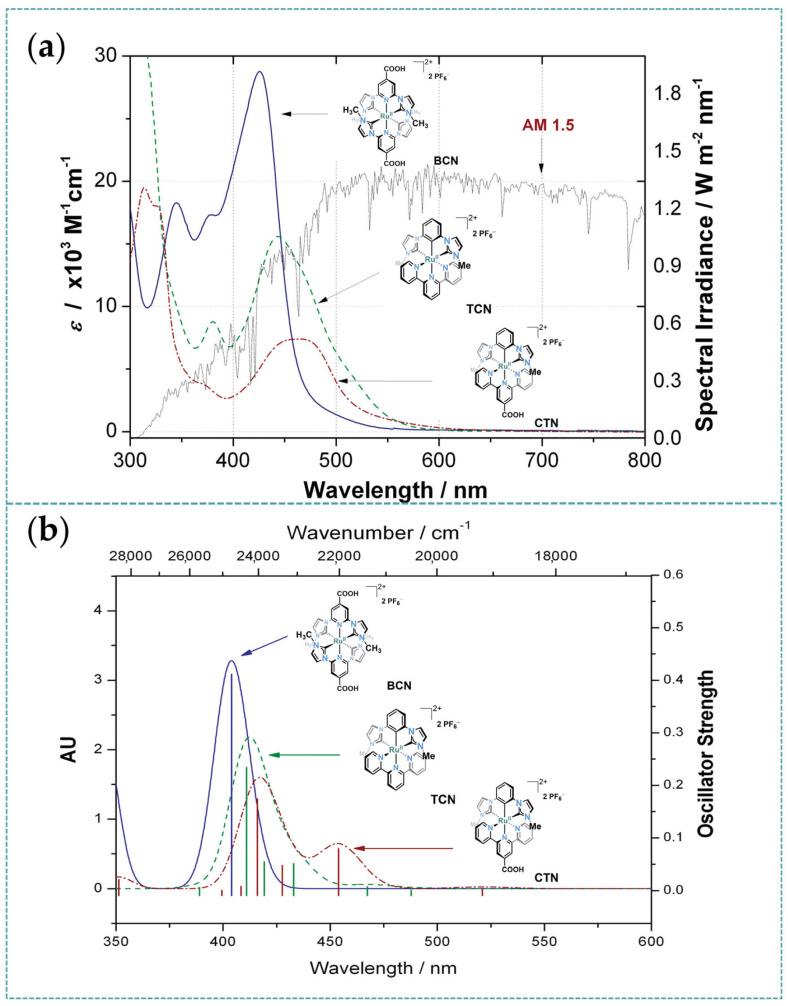
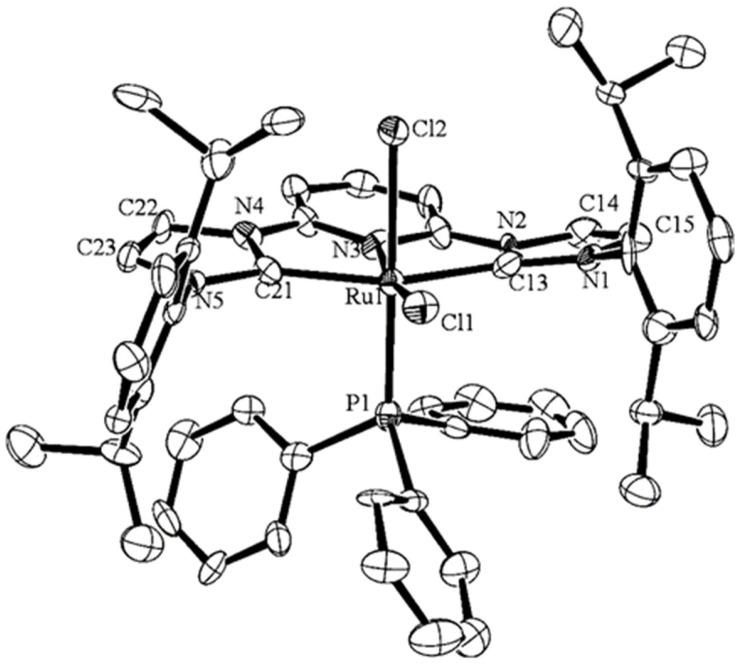
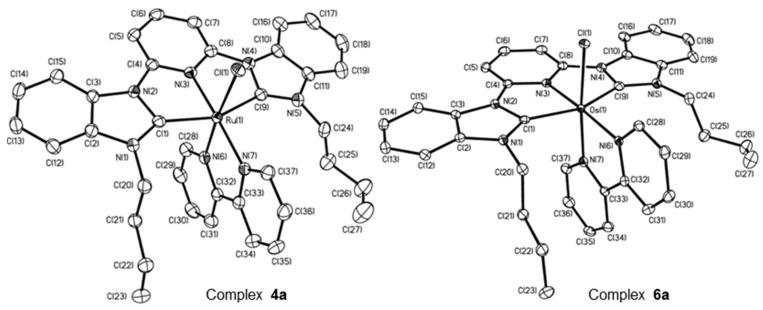
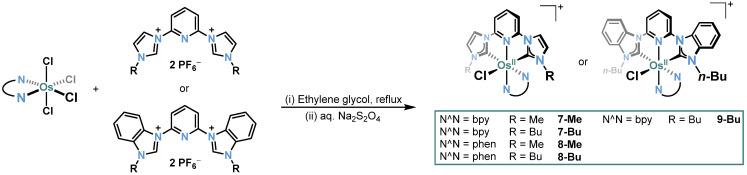
-heterocyclic carbenes (NHCs) were first isolated as stable species by Arduengo in 1991. Since then, they have expanded the boundaries of carbene chemistry and sparked extensive research. Utilizing NHCs to modify the electronic properties of transition metal complexes represents a significant advancement in the field. Pincer-type NHCs, which occupy half or more of the vacant sites on metal centers, typically result in structurally well-defined molecular platforms with specific active sites for a variety of applications. This review provides an overview of late transition metal complexes based on pincer-type NHCs, discussing their synthetic strategies, reactivities, and electronic properties, as well as their applications. Additionally, some perspectives will be presented to highlight future directions in this rapidly growing field.
1991年,阿杜恩戈首次将杂环卡宾(NHCs)作为稳定物种分离出来。从那时起,它们扩展了卡宾化学的边界并引发了广泛的研究。利用NHCs修饰过渡金属配合物的电子性质是该领域的一项重大进展。钳型NHCs占据金属中心一半或更多的空位,通常会形成结构明确的分子平台,具有用于各种应用的特定活性位点。本文综述了基于钳型NHCs的后过渡金属配合物,讨论了它们的合成策略、反应性和电子性质,以及它们的应用。此外,还将提出一些观点,以突出这一快速发展领域的未来方向。
















 Zotero 插件