
犬临床脑部狂犬病发病机制的蛋白质组学和磷酸化蛋白质组学分析以及一种激酶抑制剂作为潜在重新利用抗病毒药物的鉴定。
Proteomic and phosphoproteomic analysis of rabies pathogenesis in the clinical canine brain and identification of a kinase inhibitor as a potential repurposed antiviral agent.
作者信息
Chienwichai Peerut, Ketsuwan Kunjimas, Lumlertdacha Boonlert, Fa-Ngoen Chanon, Supasawat Punchaya, Pulmanausahakul Rojjanaporn, Masrinoul Promsin, Thiangtrongjit Tipparat, Reamtong Onrapak
机构信息
Princess Srisavangavadhana Faculty of Medicine, Chulabhorn Royal Academy, Bangkok, Thailand.
Research Center on Clinical and System Microbiology (RCSyM), Chulabhorn Royal Academy, Bangkok, Thailand.
出版信息
PLoS One. 2025 Jun 27;20(6):e0323931. doi: 10.1371/journal.pone.0323931. eCollection 2025.
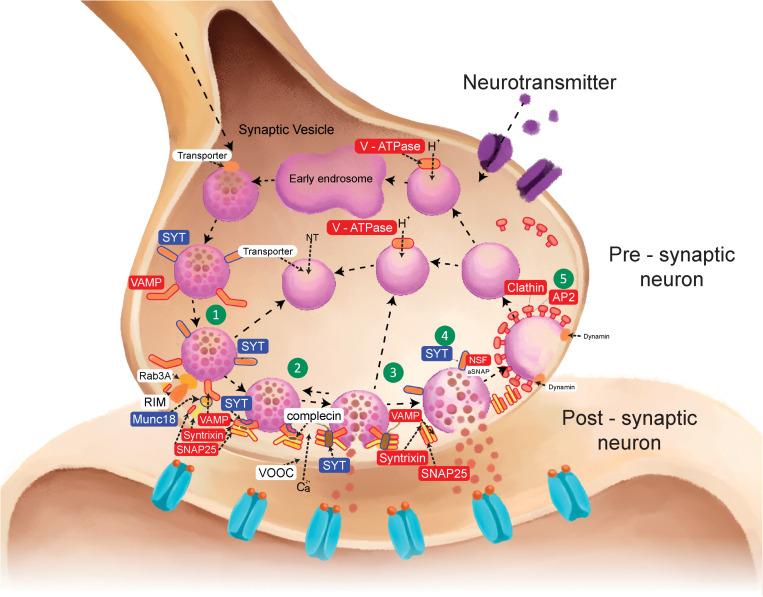
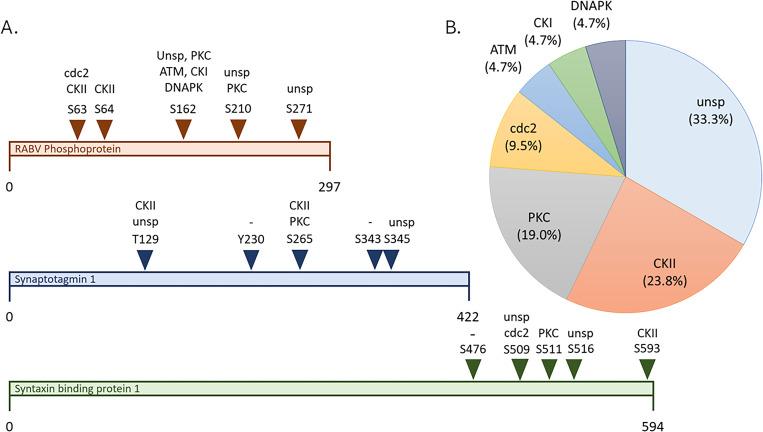
Rabies is a fatal zoonosis caused by the rabies virus (RABV) that has afflicted humans for thousands of years. RABV infection leads to neurological symptoms and death; however, its pathogenesis in the brain is unclear, which complicates patient care. Given that no treatment exists for symptomatic cases, there is an urgent need for effective antiviral drugs. In this study, we aimed to investigate the pathogenic mechanism of RABV in the brain and screen for potential anti-RABV drugs. Protein samples were extracted from the brains of RABV-positive and RABV-negative dogs, and proteomic and phosphoproteomic analyses were conducted. The results showed that the synaptic vesicle cycle is critical to RABV pathogenesis. The kinases involved in the phosphorylation of proteins in the synaptic vesicle cycle were identified and examined as potential drug targets. Casein kinase 2 and protein kinase C were found to be key kinases for RABV replication, and five inhibitors of these enzymes were tested for their anti-RABV properties. Pretreating cells with the kinase inhibitor sunitinib significantly reduced the viral yield after RABV infection. Our findings suggest that RABV interferes with synaptic communication, which leads to rabies, and that inhibiting a vital kinase can reduce viral production. Hence, our findings have implications for the development of rabies treatment regimes.
狂犬病是一种由狂犬病病毒(RABV)引起的致命人畜共患病,数千年来一直困扰着人类。RABV感染会导致神经症状和死亡;然而,其在大脑中的发病机制尚不清楚,这使得患者护理变得复杂。鉴于目前尚无针对有症状病例的治疗方法,迫切需要有效的抗病毒药物。在本研究中,我们旨在研究RABV在大脑中的致病机制,并筛选潜在的抗RABV药物。从RABV阳性和RABV阴性犬的大脑中提取蛋白质样本,并进行蛋白质组学和磷酸化蛋白质组学分析。结果表明,突触小泡循环对RABV发病机制至关重要。确定了参与突触小泡循环中蛋白质磷酸化的激酶,并将其作为潜在的药物靶点进行研究。发现酪蛋白激酶2和蛋白激酶C是RABV复制的关键激酶,并测试了这两种酶的五种抑制剂的抗RABV特性。用激酶抑制剂舒尼替尼预处理细胞可显著降低RABV感染后的病毒产量。我们的研究结果表明,RABV干扰突触通讯,从而导致狂犬病,抑制一种关键激酶可减少病毒产生。因此,我们的研究结果对狂犬病治疗方案的开发具有重要意义。


 Zotero 插件