
使用实验设计技术优化用于结构应用的混凝土中的纳米材料用量。
Optimizing nanomaterial dosages in concrete for structural applications using experimental design techniques.
作者信息
Dhairiyasamy Ratchagaraja, Gabiriel Deepika, Varshney Deekshant, Singh Subhav
机构信息
Saveetha School of Engineering, Department of Electronics and Communication Engineering, Saveetha Institute of Medical and Technical Sciences, Saveetha University, Chennai, Tamil Nadu, India.
College of Engineering and Technology, Aksum University, Aksum, Ethiopia.
出版信息
Sci Rep. 2025 Jul 1;15(1):22375. doi: 10.1038/s41598-025-05265-w.
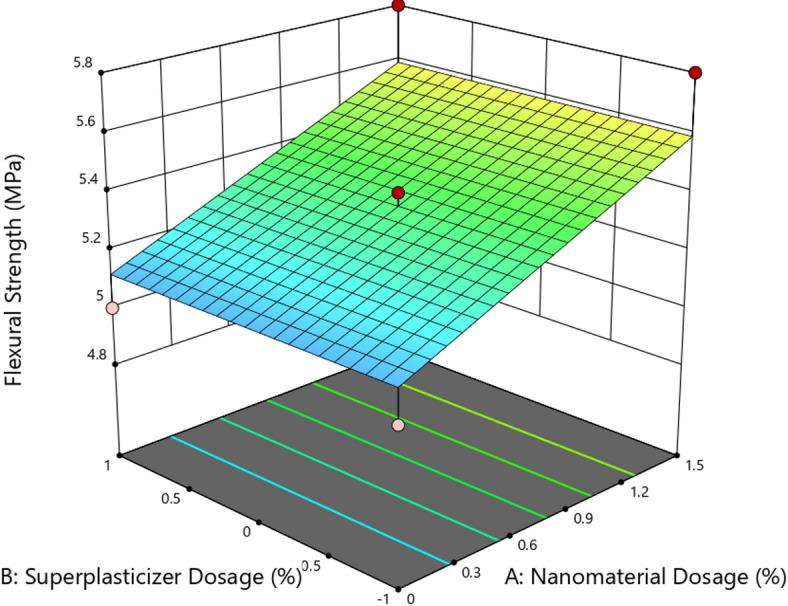
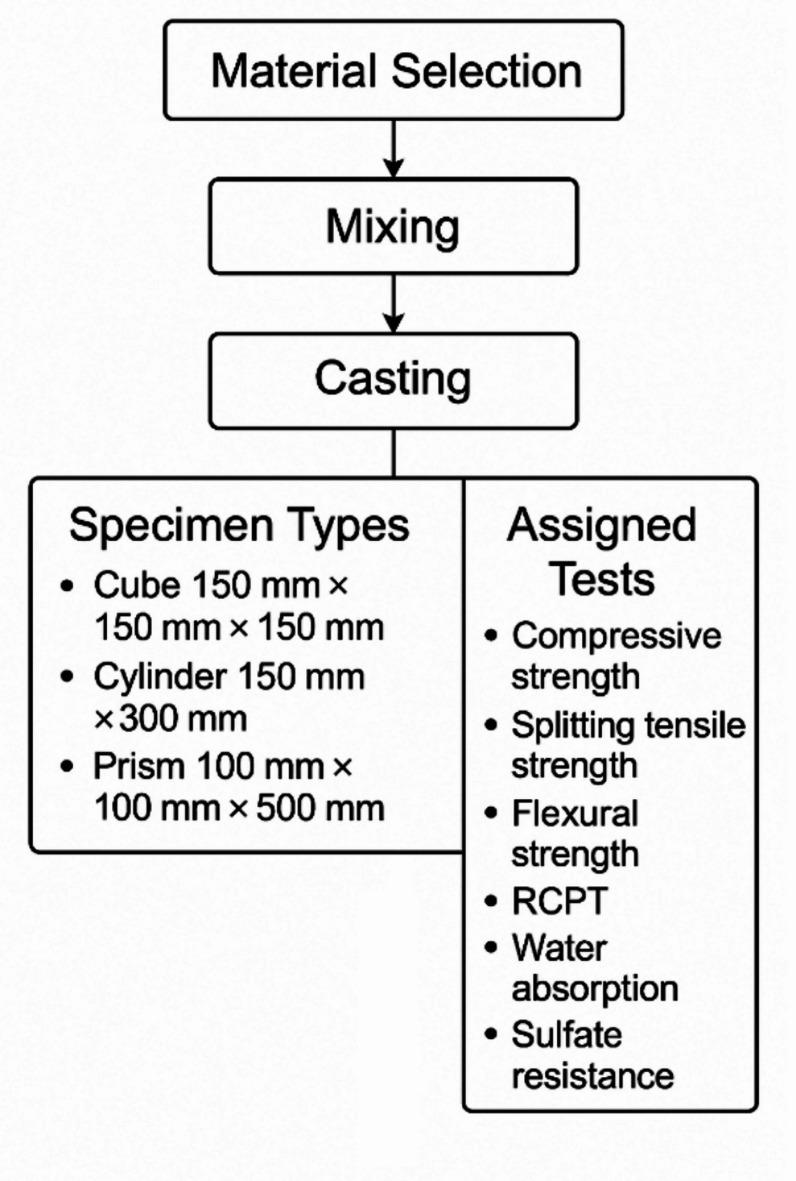
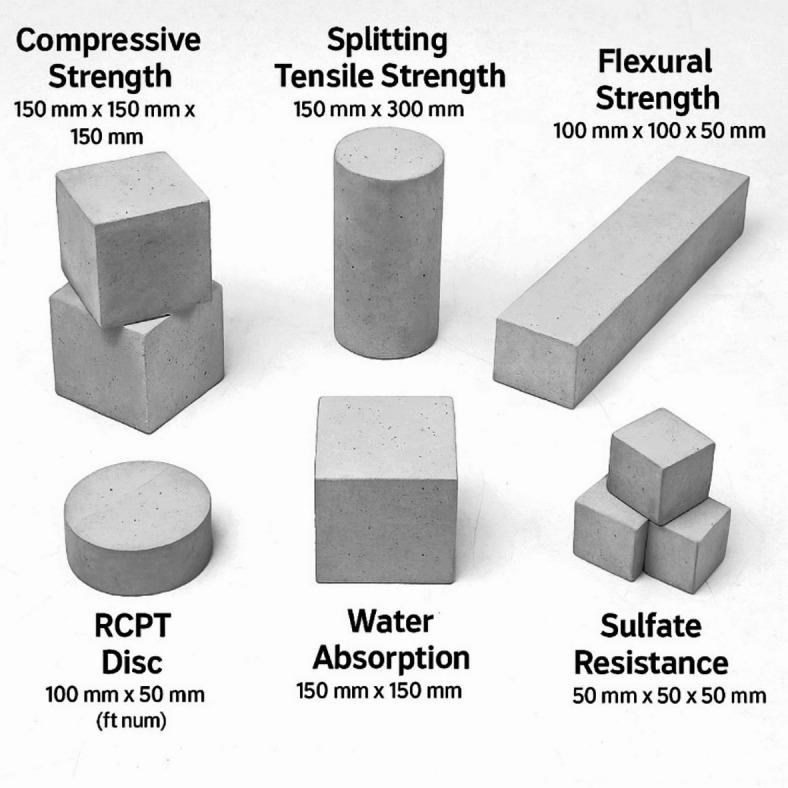
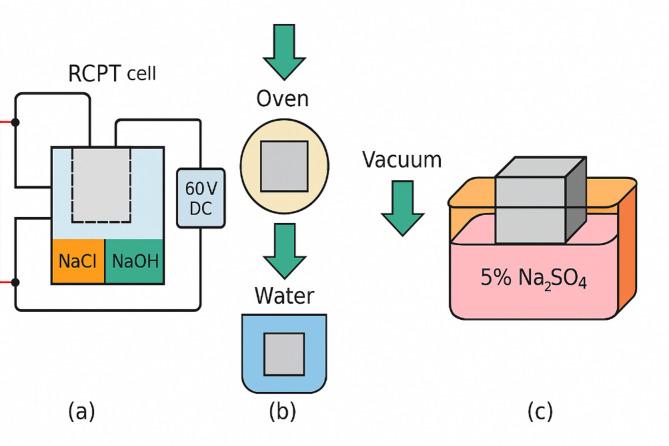
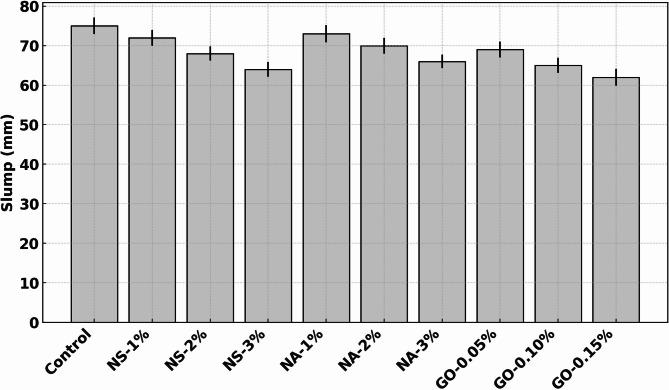
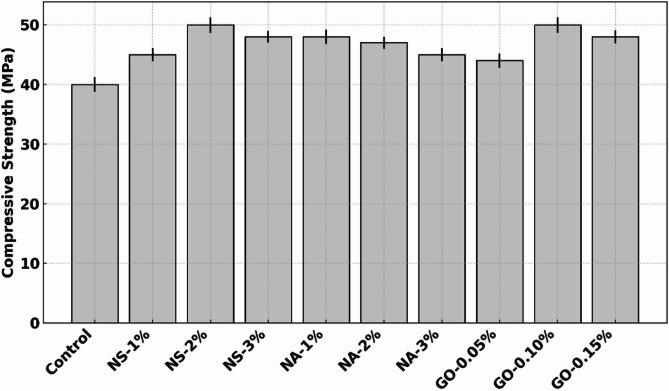
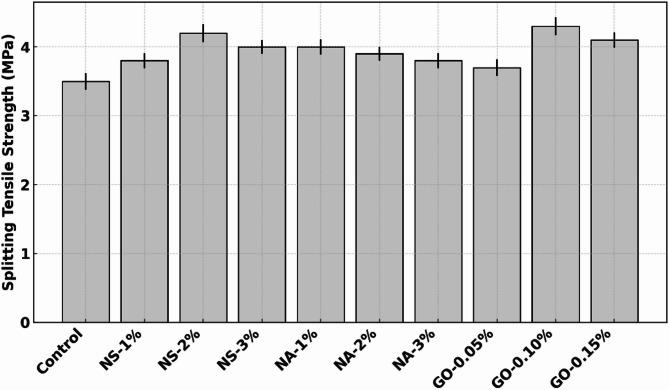
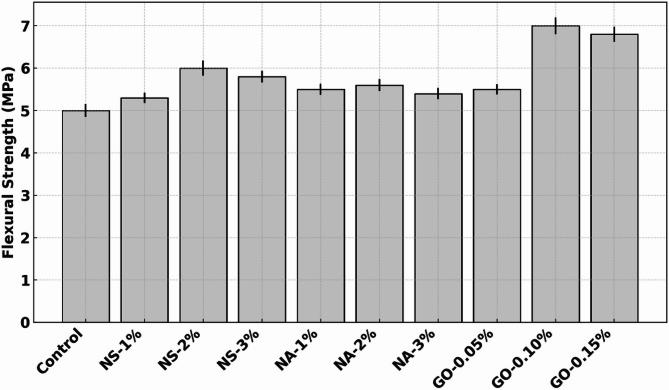
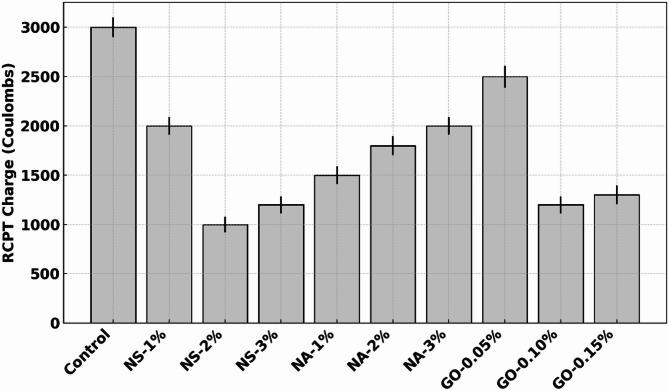
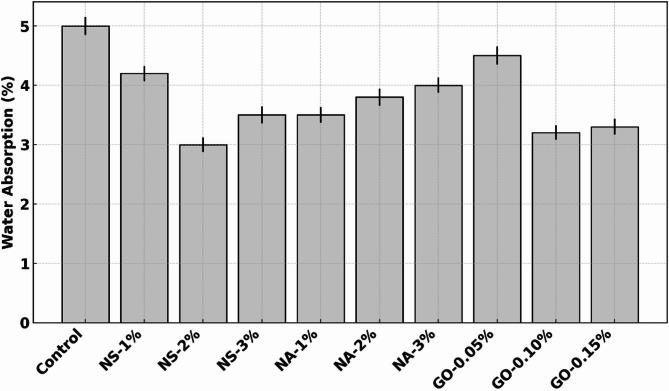
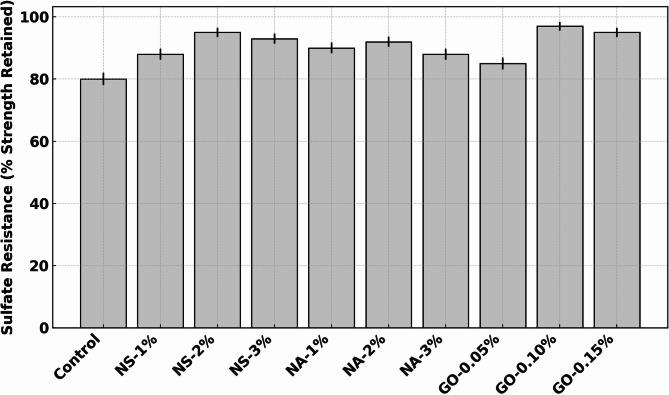
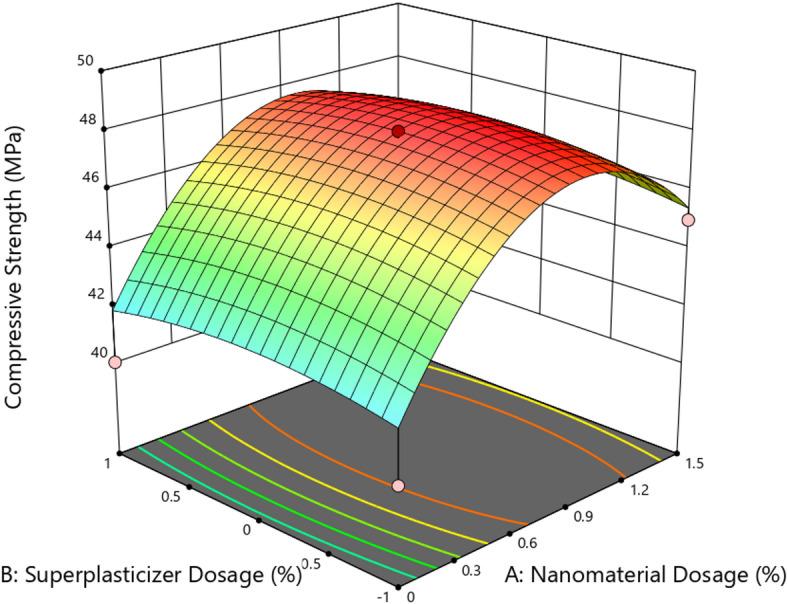
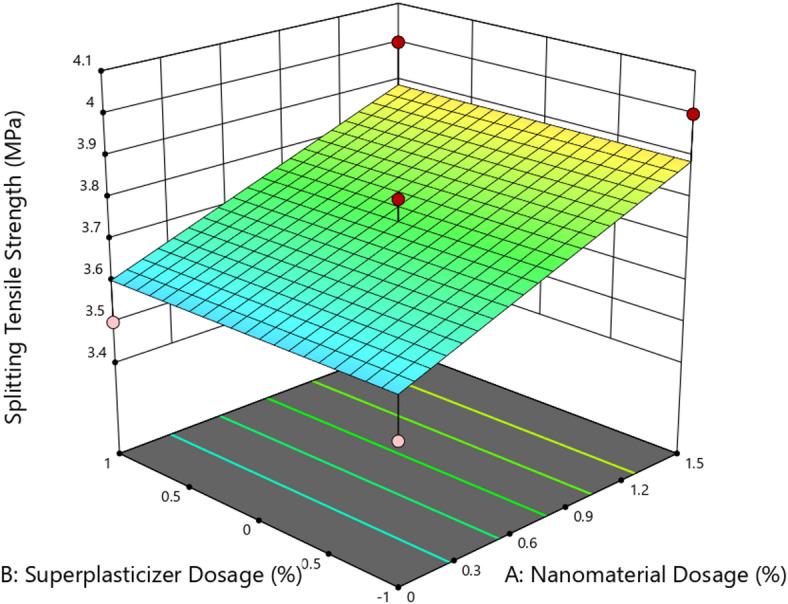
Nanomaterial-enhanced concrete offers a transformative route to improve mechanical and durability performance for structural applications. Despite the promise of nano-silica (NS), nano-alumina (NA), and graphene oxide (GO), a comparative evaluation under unified conditions remains limited. This study addresses that gap by experimentally investigating the effects of NS (1-3%), NA (1-3%), and GO (0.05-0.15%) on workability, strength, and durability properties of concrete. A two-factor statistical optimization using Response Surface Methodology (RSM) was employed to model and predict compressive, tensile, and flexural strengths as functions of nanomaterial and superplasticizer dosages. Experimental results showed that NS and GO achieved a ~ 25% increase in compressive strength, while GO yielded the highest flexural improvement (~ 40%) at only 0.10% dosage. Durability metrics such as RCPT charge passed, water absorption, and sulfate resistance were significantly enhanced across all nano-modified mixes, with NS and GO outperforming NA. RSM confirmed nanomaterial dosage as the dominant factor influencing strength, while superplasticizer had no statistically significant effect. Optimal dosages were identified for each nanomaterial to maximize performance while avoiding overdosing effects. This study provides a comprehensive, optimization-driven comparison of NS, NA, and GO in concrete, offering valuable insights for designing durable, high-performance cementitious systems using tailored nanomodification strategies.
纳米材料增强混凝土为改善结构应用中的力学性能和耐久性提供了一条变革性途径。尽管纳米二氧化硅(NS)、纳米氧化铝(NA)和氧化石墨烯(GO)前景广阔,但在统一条件下的比较评估仍然有限。本研究通过实验研究NS(1-3%)、NA(1-3%)和GO(0.05-0.15%)对混凝土工作性、强度和耐久性的影响来弥补这一差距。采用响应面法(RSM)进行双因素统计优化,以将抗压强度、抗拉强度和抗弯强度建模并预测为纳米材料和高效减水剂用量的函数。实验结果表明,NS和GO使抗压强度提高了约25%,而GO在仅0.10%的用量下抗弯性能提高最高(约40%)。在所有纳米改性混合料中,诸如电通量、吸水率和抗硫酸盐性等耐久性指标均显著提高,NS和GO的性能优于NA。RSM证实纳米材料用量是影响强度的主要因素,而高效减水剂没有统计学上的显著影响。确定了每种纳米材料的最佳用量,以在避免过量效应的同时最大化性能。本研究对混凝土中的NS、NA和GO进行了全面的、以优化为导向的比较,为采用定制纳米改性策略设计耐用的高性能胶凝材料体系提供了有价值的见解。

 Zotero 插件