
α-突触核蛋白中赖氨酸残基的N-同型半胱氨酸化增强了SH-SY5Y细胞中的聚集倾向和细胞毒性。
N-Homocysteinylation of lysine residues in α-Synuclein enhances aggregation propensity and cytotoxicity in SH-SY5Y cells.
作者信息
Masoumian Hosseini Mohsen, Abdulameer Manhal, Altafi Roya, Morshedi Dina, Es-Haghi Ali, Khatami Seyyed Hossein, Salmani Farzaneh, Tehrani Hessam Sepasi, Ehtiati Sajad, Goudarzi Marziyeh, Yaghmaei Bahram Gholamali, Karima Saeed
机构信息
Department of Clinical Biochemistry, School of Medicine, Shahid Beheshti University of Medical Sciences (SBMU), Tehran, Iran.
Department of E-Learning in Medical Science, Smart University of Medical Sciences, Tehran, Iran.
出版信息
Sci Rep. 2025 Jul 2;15(1):23028. doi: 10.1038/s41598-025-08186-w.
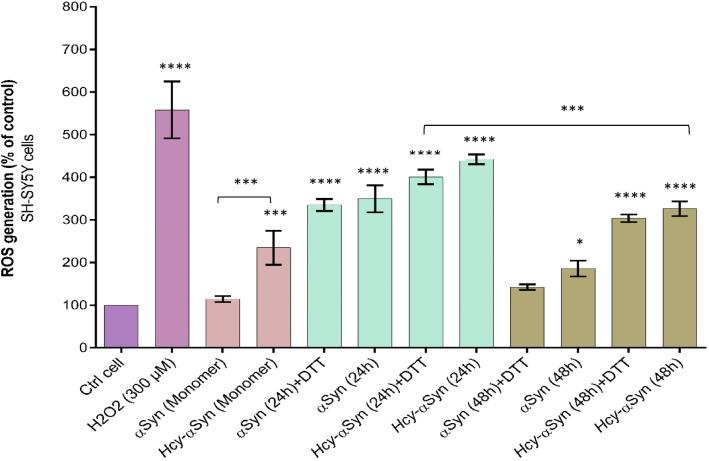
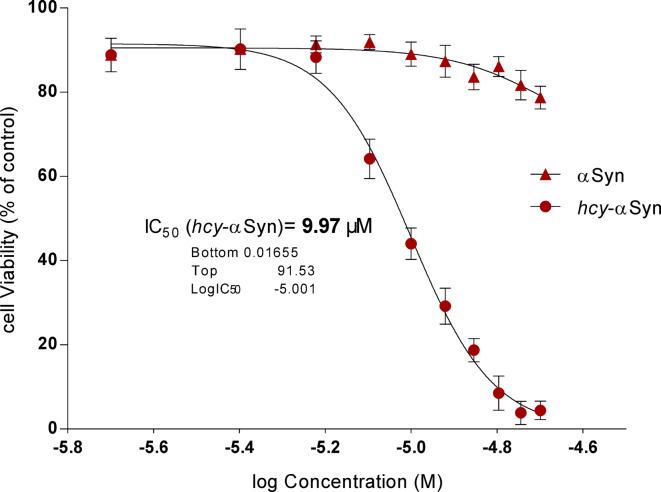
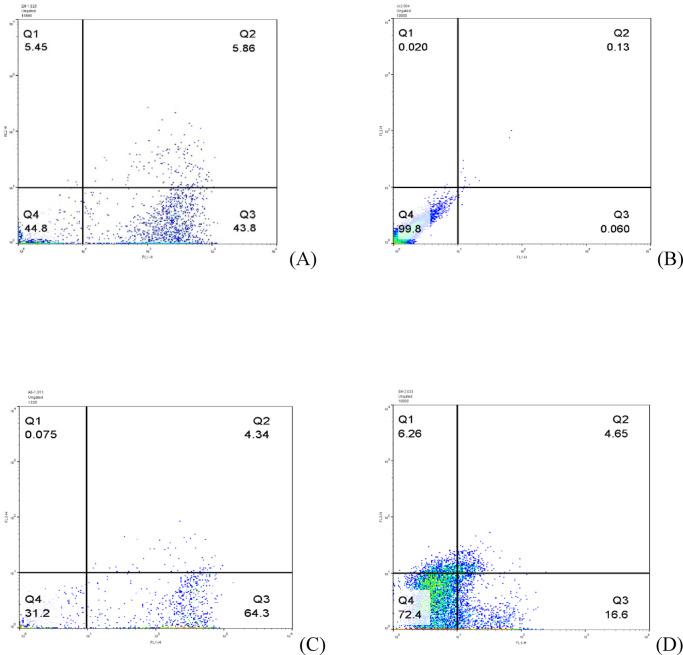
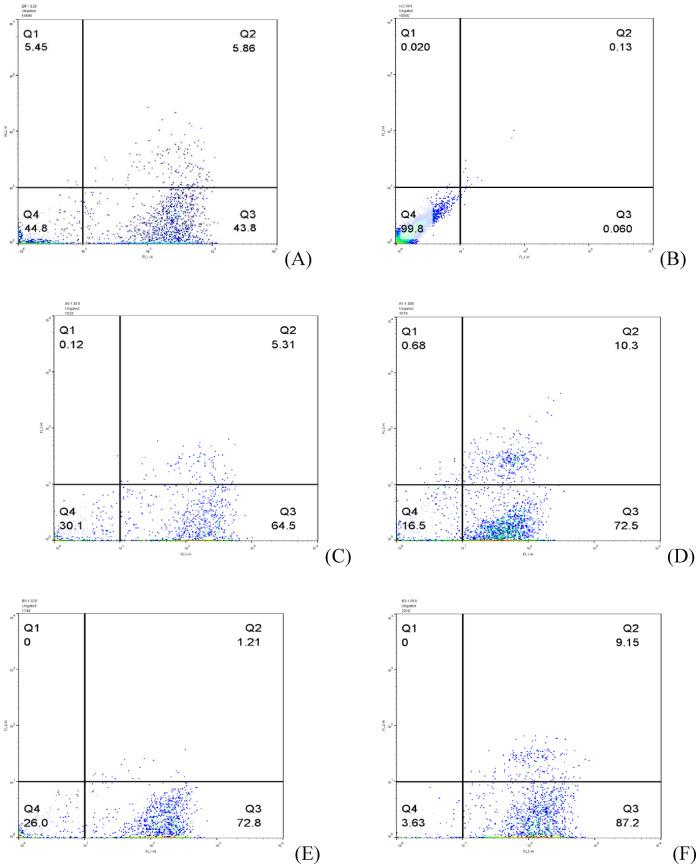
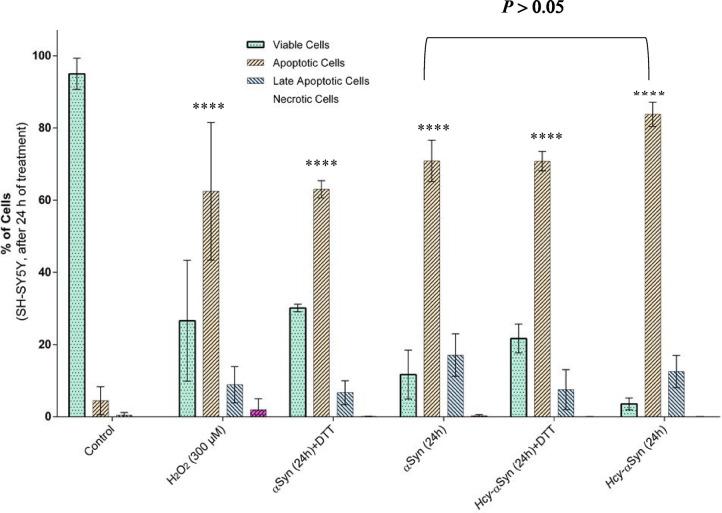
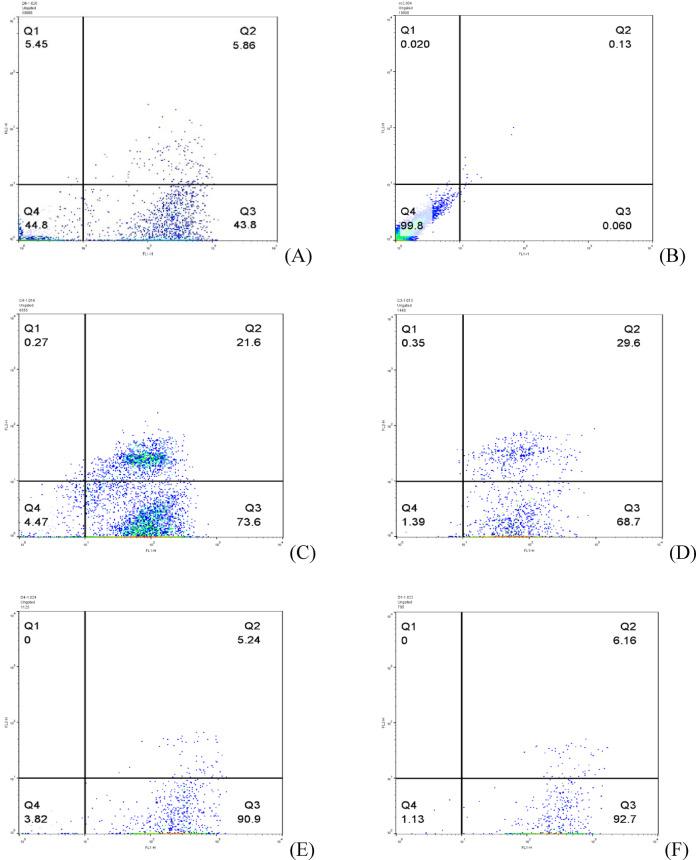
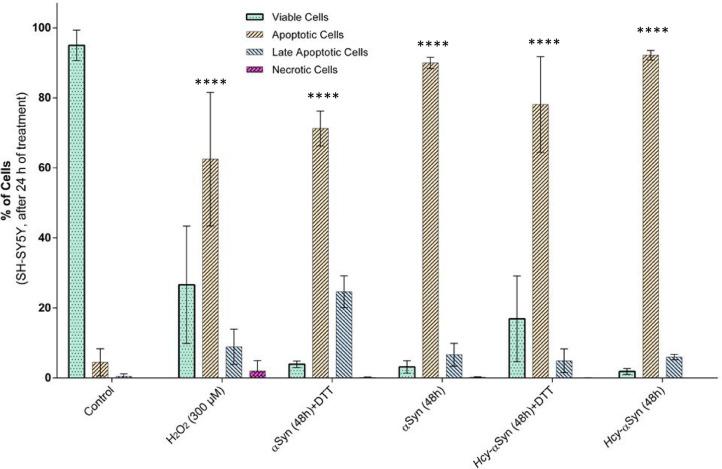
In the current study, the effects of N-homocysteine thiolactone (HcyT) modification on expressed α-synuclein and the SH-SY5Y cell line were investigated. Various fluorometric, cell viability, and flow cytometry assays were employed to analyze the extent and impacts of modification under reducing/non-reducing conditions and different incubation durations. Our results confirmed that under non-reducing conditions, protofibrils exhibited a heightened propensity for aggregation with longer incubation periods. The increased tendency for aggregates following modification could be attributed to intermolecular forces, notably the establishment of π-stacking and hydrophobic interactions, consequent to the disruption of electrostatic charges due to lysine residues. Furthermore, our findings corroborated that N-homocysteinylation of α-synuclein by HcyT induces apoptosis in SH-SY5Y cells, suggesting that such a modification may indeed contribute to the onset and progression of Parkinson's disease (PD) in patients. Deciphering the underlying mechanisms using enhanced resolution techniques at the molecular level can pave the way to unraveling the pathogenesis associated with PD, as well as proposing effective strategies and countermeasures to mitigate the onset and progression of the disease. In light of the discoveries reported herein, N-homocysteinylation can be considered a risk factor and a potential biomarker in structural diseases, such as neurodegenerative disorders. Additionally, we propose that inhibiting N-homocysteinylation may impede protein aggregates and prevent the progression of neurodegeneration associated with these aggregates.
在本研究中,研究了N-同型半胱氨酸硫内酯(HcyT)修饰对表达的α-突触核蛋白和SH-SY5Y细胞系的影响。采用各种荧光、细胞活力和流式细胞术检测方法,分析在还原/非还原条件及不同孵育时间下修饰的程度和影响。我们的结果证实,在非还原条件下,原纤维在较长孵育期内表现出更高的聚集倾向。修饰后聚集趋势增加可归因于分子间作用力,特别是由于赖氨酸残基导致静电荷破坏后形成的π-堆积和疏水相互作用。此外,我们的研究结果证实,HcyT对α-突触核蛋白的N-同型半胱氨酸化诱导SH-SY5Y细胞凋亡,表明这种修饰可能确实在帕金森病(PD)患者的发病和进展中起作用。利用分子水平上更高分辨率的技术来解读潜在机制,可为揭示与PD相关的发病机制铺平道路,同时也可为减轻疾病的发病和进展提出有效的策略和对策。鉴于本文报道的发现,N-同型半胱氨酸化可被视为结构疾病(如神经退行性疾病)中的一个风险因素和潜在生物标志物。此外,我们提出抑制N-同型半胱氨酸化可能会阻碍蛋白质聚集,并防止与这些聚集物相关的神经退行性变的进展。



 Zotero 插件