
利益相关者对肯尼亚初级保健中整合心血管疾病和糖尿病管理的障碍与促进因素的看法。
Stakeholder perspectives on the barriers and facilitators to integrating cardiovascular disease and diabetes management at primary care in Kenya.
作者信息
Wambiya Elvis O A, Oguta James Odhiambo, Akparibo Robert, Gillespie Duncan, Otieno Peter, Akoth Catherine, Kamano Jemima, Kibe Peter, Kisaka Yvette, Onyango Elizabeth, Gathecha Gladwell, Dodd Peter J
机构信息
Sheffield Centre for Health and Related Research (SCHARR), School of Medicine and Population Health, University of Sheffield, Sheffield, South Yorkshire, United Kingdom.
Chronic disease management (CDM) unit, African Population and Health Research Center (APHRC), Kitisuru, Nairobi, Kenya.
出版信息
PLOS Glob Public Health. 2025 Jul 3;5(7):e0004164. doi: 10.1371/journal.pgph.0004164. eCollection 2025.
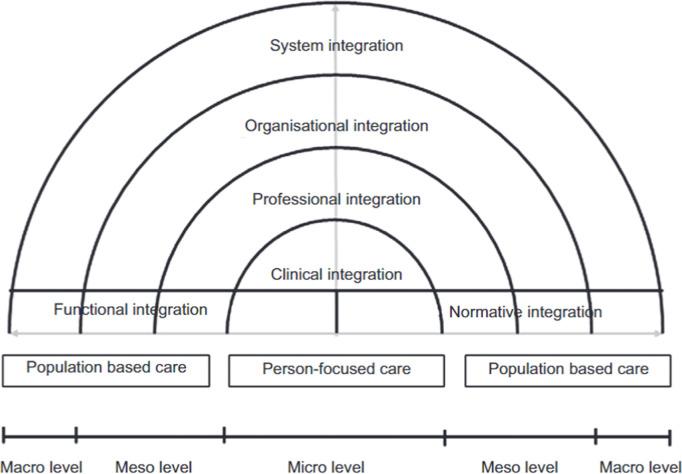
Integrated care is increasingly recognised as a key strategy for the management of multimorbidity. However, evidence on the factors associated with the implementation of integrated care models in low- and middle-income countries remains limited. We explored how stakeholders perceived integrated care, existing challenges, and recommendations for integrating cardiovascular disease and diabetes management at primary health care (PHC) level in Kenya. We conducted a qualitative study using key informant interviews with 16 key stakeholders involved in healthcare delivery, research, and policy on non-communicable diseases (NCDs) in Kenya between February and March 2024. All interviews were audio recorded and transcribed; and the data analysed both inductively and deductively within NVivo software. The deductive analysis was guided by the Rainbow Model of Integrated Care (RMIC) framework, which combines key dimensions necessary for successful integrated care with key elements of primary care. The RMIC framework dimensions include systems, clinical, organisational, professional, functional, and normative integration. Out of the six RMIC dimensions, stakeholders' description of integrated care included elements of clinical, systems, and professional integration. Key systems level challenges included disparity between policy and practice, inadequate resource allocation, donor-driven priorities, and limited stakeholder collaboration. Fragmented care delivery was a key organisational challenge. Limited resources for integrated care delivery and inadequate staff numbers and capacity were considered key challenges in the functional and professional dimensions of the RMIC framework. Additional challenges included 'siloed' mindset (normative) and limited evidence on effective or cost-effective integrated care models. To address the identified barriers, policy-makers should develop clear and adaptable how-to county-specific guidelines for implementation and evaluation of integrated care at PHC level. There is a need for advocacy and research on models of integrated care at PHC level to guide prioritization and resource allocation in Kenya.
综合护理日益被视为管理多种疾病的关键策略。然而,关于低收入和中等收入国家实施综合护理模式相关因素的证据仍然有限。我们探讨了肯尼亚初级卫生保健(PHC)层面的利益相关者如何看待综合护理、现有挑战以及整合心血管疾病和糖尿病管理的建议。2024年2月至3月期间,我们对肯尼亚16名参与非传染性疾病(NCDs)医疗服务、研究和政策制定的关键利益相关者进行了关键信息人访谈,开展了一项定性研究。所有访谈均进行了录音和转录;并在NVivo软件中进行了归纳和演绎分析。演绎分析以综合护理彩虹模型(RMIC)框架为指导,该框架将成功的综合护理所需的关键维度与初级护理的关键要素相结合。RMIC框架维度包括系统、临床、组织、专业、功能和规范整合。在RMIC的六个维度中,利益相关者对综合护理的描述包括临床、系统和专业整合的要素。关键的系统层面挑战包括政策与实践之间的差距、资源分配不足、捐助者驱动的优先事项以及利益相关者协作有限。护理服务分散是一个关键的组织挑战。综合护理服务资源有限以及工作人员数量和能力不足被认为是RMIC框架功能和专业维度的关键挑战。其他挑战包括“竖井式”思维模式(规范性)以及有效或具有成本效益的综合护理模式的证据有限。为了克服已识别的障碍,政策制定者应制定明确且可适应的针对各县的如何在初级卫生保健层面实施和评估综合护理的指南。有必要对初级卫生保健层面的综合护理模式进行宣传和研究,以指导肯尼亚的优先事项确定和资源分配。
 Zotero 插件