
厌恶体验会诱导指示性信号的效价可塑性,从而改变小鼠未来的学习规则。
Aversive experiences induce valence plasticity of instructive signals to change future learning rules in mice.
作者信息
Tohyama Suguru, Nagashima Takashi, Higashino Iori, Arima-Yoshida Fumiko, Hiyoshi Kanae, Nagase Masashi, Yada Yuichiro, Honda Naoki, Watabe Ayako M
机构信息
Institute of Clinical Medicine and Research, Research Center for Medical Sciences, The Jikei University School of Medicine, Chiba, Japan.
Laboratory for Data-driven Biology, Nagoya University Graduate School of Medicine, Nagoya, Aichi, Japan.
出版信息
Commun Biol. 2025 Jul 4;8(1):1002. doi: 10.1038/s42003-025-08367-3.
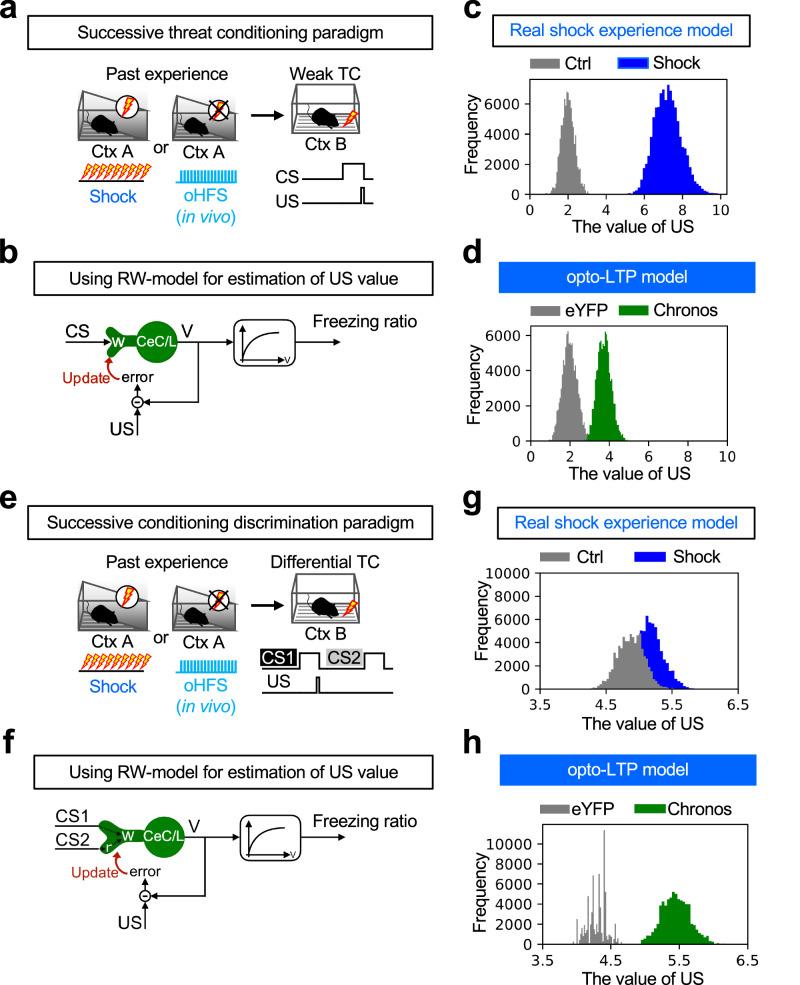
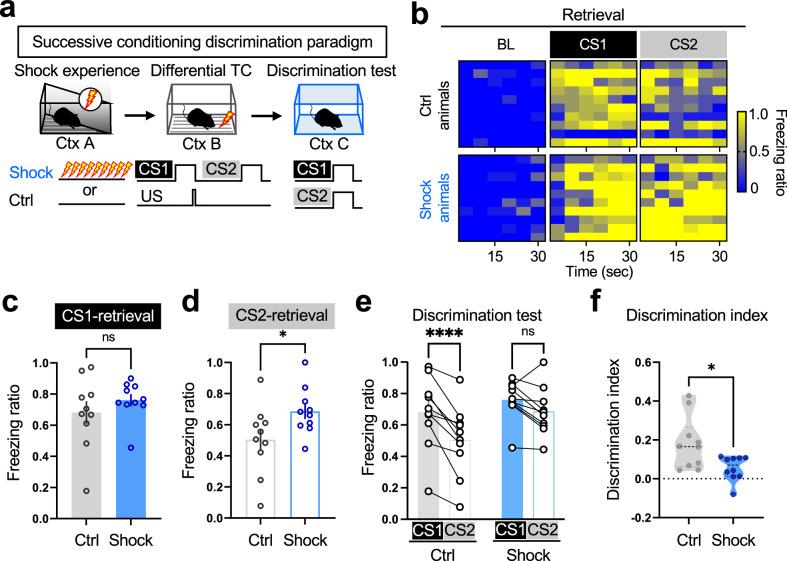
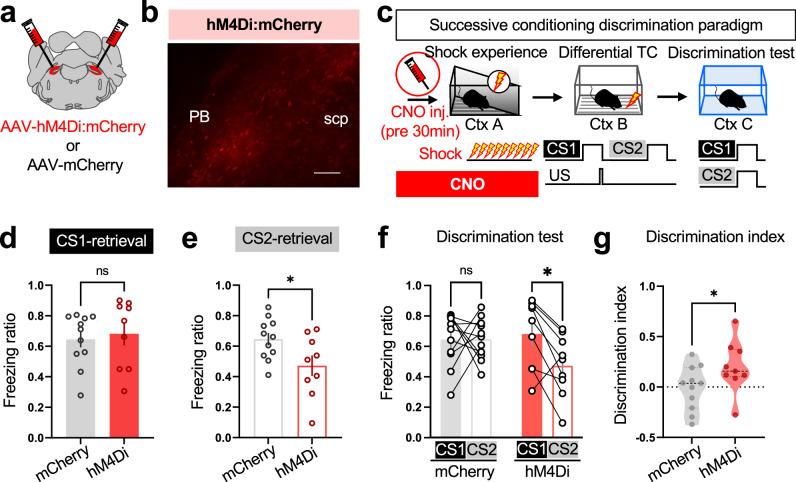
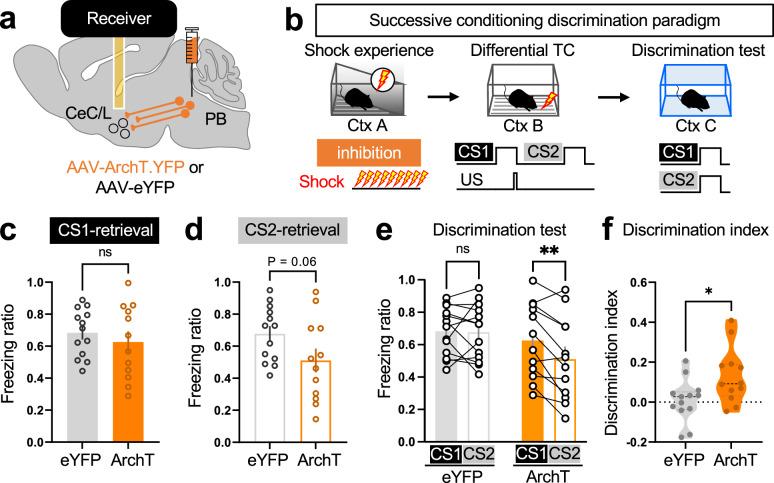
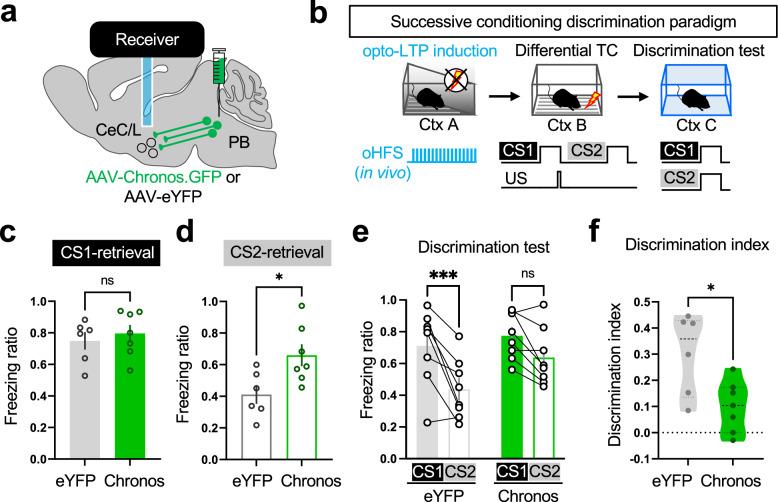
Aversive signals such as pain serve an instructive role in aversive learning to promote animal survival. While negative valence of aversive signals is considered to be innately assigned, the valence can be scaled by internal state and previous experiences. However, the neuronal mechanisms underlying state and experience-dependent valence modulation remain unexplored. Previous studies demonstrated synaptic potentiation in instructive signal pathways following robust aversive learning. Here, we hypothesized that long-term potentiation (LTP) in the parabrachial-to-central amygdala (PB-CeC/L) pathway, an important nociceptive circuit for producing pain and emotional learning, enhances the negative valence and thereby alter future learning rules. To test this hypothesis, we developed pathway-specific in vivo LTP induction methods and mathematical models. Our results suggest that LTP in the PB-CeC/L pathway alters aversive valence and future learning rules by enhancing subsequent learning and memory generalization. These results may help to identify a therapeutic target for post-traumatic stress disorder.
诸如疼痛之类的厌恶信号在厌恶学习中发挥着指导作用,以促进动物生存。虽然厌恶信号的负效价被认为是天生赋予的,但效价可以根据内部状态和先前经验进行调整。然而,状态和经验依赖性效价调节背后的神经元机制仍未得到探索。先前的研究表明,在强烈的厌恶学习后,指导信号通路中会出现突触增强。在这里,我们假设臂旁核到中央杏仁核(PB-CeC/L)通路中的长时程增强(LTP),这是一个产生疼痛和情绪学习的重要伤害感受回路,会增强负效价,从而改变未来的学习规则。为了验证这一假设,我们开发了特定通路的体内LTP诱导方法和数学模型。我们的结果表明,PB-CeC/L通路中的LTP通过增强后续学习和记忆泛化来改变厌恶效价和未来学习规则。这些结果可能有助于确定创伤后应激障碍的治疗靶点。


 Zotero 插件