
脑癌中癌症疫苗的最新进展:神经母细胞瘤、递送系统及新兴技术方面的进展
Updates on cancer vaccines in brain cancer: Advances in neuroblastoma, delivery systems, and emerging technologies.
作者信息
Onohuean Hope, Ogunmola Temitope, Adesiyan Ayobami, Oluwamayowa Samuel Akinsuyi, Oni Ebenezer, Okechukwu Paul Chima Ugwu
机构信息
Biopharmaceutics Unit, Department of Pharmacology and Toxicology, School of Pharmacy, Kampala International University, Western Campus, Ishaka, Uganda.
Biomolecules, Metagenomics, Endocrine and Tropical Disease Research Group (BMETDREG), Kampala International University, Western Campus, Ishaka, Uganda.
出版信息
Hum Vaccin Immunother. 2025 Dec;21(1):2526964. doi: 10.1080/21645515.2025.2526964. Epub 2025 Jul 8.
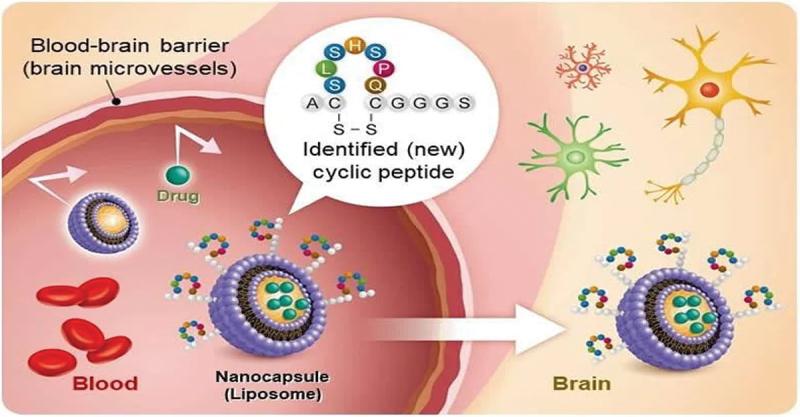
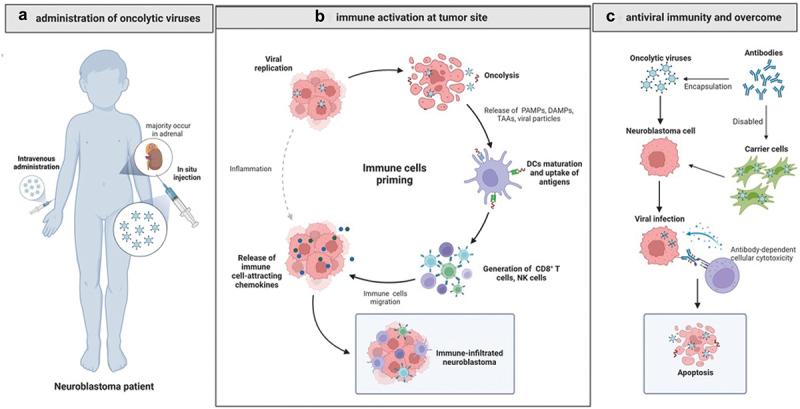
Neuroblastoma stands as a major concern in pediatric oncology because it develops from neural crest cells as a neuroendocrine cancer. Nanoparticle-based vaccine delivery approaches the therapeutic activity of immune cells only toward tumor cells without inflicting damage to healthy tissues like those sustained by chemotherapy and radiation therapy. Neuroblastoma treatment faces two major barriers: penetrating the blood-brain barrier (BBB) and using nanoparticle technology. The promising developments for neuroblastoma treatment emerge from mRNA COVID-19 vaccine research and brain cancer vaccine clinical trials especially through phase I autologous dendritic cell vaccine studies. Future research needs to develop optimized nanoparticles which can trigger the release of mRNA or peptides based on tumor-specific pH and enzyme signals. The BBB can be opened temporarily through ultrasound and receptor-mediated transport approaches, which enhance vaccine delivery to brain tissues. New immunotherapeutic approaches for pediatric malignancies emerge from these recent findings to yield future success.
神经母细胞瘤是儿科肿瘤学中的一个主要关注点,因为它作为一种神经内分泌癌,由神经嵴细胞发展而来。基于纳米颗粒的疫苗递送方法可使免疫细胞仅对肿瘤细胞产生治疗活性,而不会像化疗和放射治疗那样对健康组织造成损害。神经母细胞瘤治疗面临两个主要障碍:穿透血脑屏障(BBB)和使用纳米颗粒技术。神经母细胞瘤治疗的有前景的进展来自于mRNA新冠疫苗研究和脑癌疫苗临床试验,特别是通过I期自体树突状细胞疫苗研究。未来的研究需要开发优化的纳米颗粒,其可以基于肿瘤特异性pH值和酶信号触发mRNA或肽的释放。血脑屏障可以通过超声和受体介导的转运方法暂时打开,这增强了疫苗向脑组织的递送。儿科恶性肿瘤的新免疫治疗方法源于这些最新发现,有望取得未来的成功。
 Zotero 插件