
饮食干预对糖尿病患者预防和愈合慢性伤口的有效性;一项系统评价与荟萃分析。
Effectiveness of dietary interventions in individuals with diabetes for preventing and healing chronic wounds; a systematic review with meta-analysis.
作者信息
Donnelly Hailey R, Collins Clare E, Clarke Erin D, Morrissey Prudence I, Gilbertson-Viljevac Natalie, Leigh Lucy, Tehan Peta E
机构信息
School of Health Sciences, College of Health, Medicine and Wellbeing, University of Newcastle, Newcastle, New South Wales, Australia.
Food and Nutrition Research Program, Hunter Medical Research Institute, New Lambton Heights, New South Wales, Australia.
出版信息
Diabet Med. 2025 Sep;42(9):e70100. doi: 10.1111/dme.70100. Epub 2025 Jul 9.
BACKGROUND
Optimising the nutritional status of individuals with diabetes is essential to optimise glycaemic control, as well as to prevent and promote wound healing. A variety of nutrition interventions are available. This systematic review and meta-analysis aimed to describe and synthesise the effectiveness of nutrition interventions for the prevention and management of chronic wounds in people with diabetes.
METHODS
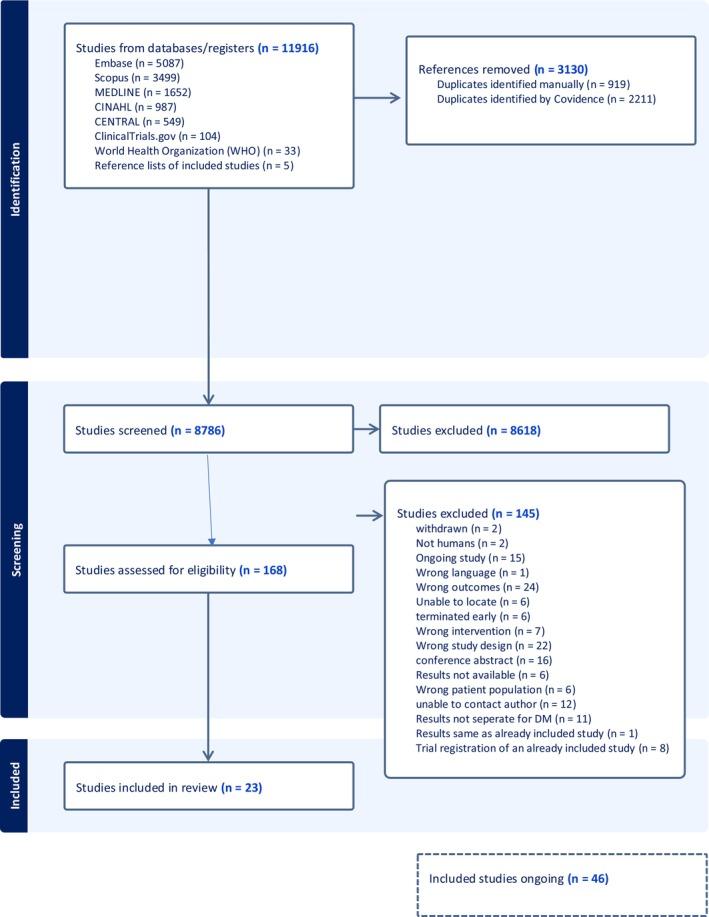
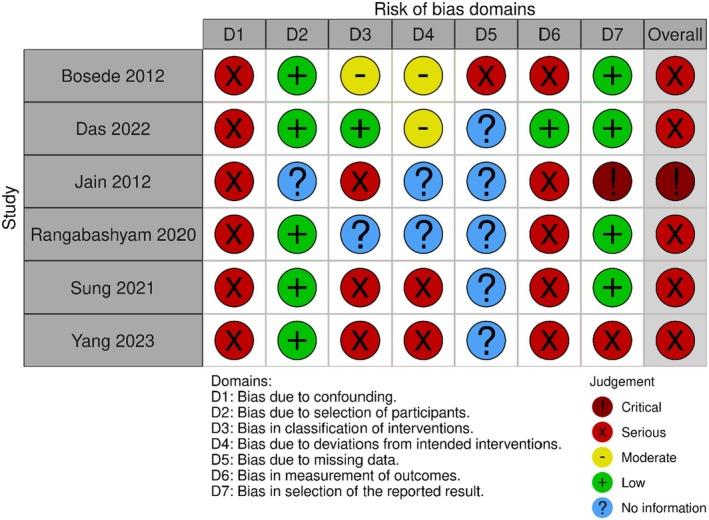
Five databases and four clinical trial registries were searched for nutrition intervention studies. Included studies involved a nutrition intervention, such as personalised medical nutrition therapy, education and/or nutrient supplementation for those with diabetes and a chronic wound. Meta-analysis was completed utilising mean wound size at follow-up and non-adjusted data where available. Quality was appraised using RoB 2 and ROBINS, and certainty of evidence was assessed using GRADE.
RESULTS
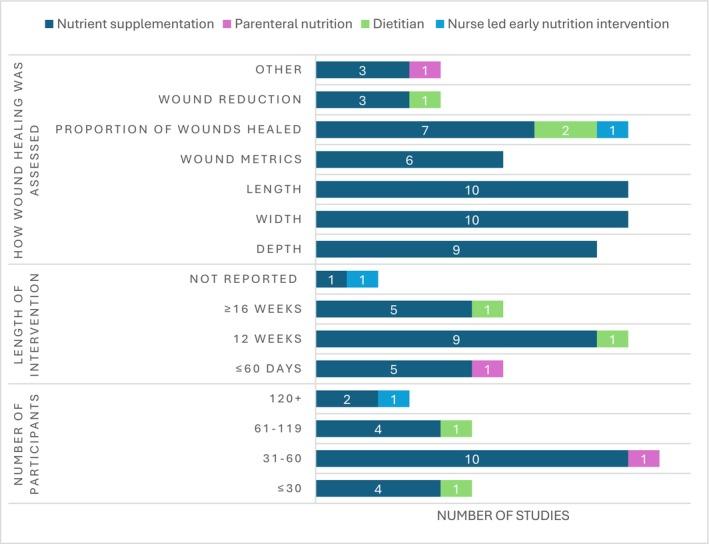
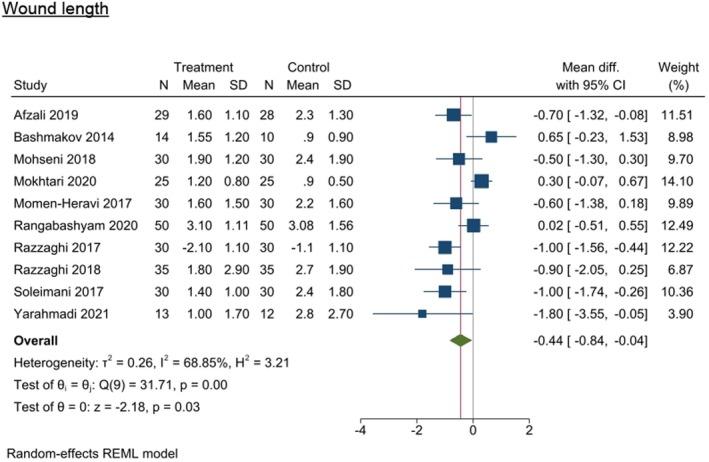
Twenty-three studies were included; all included studies were in diabetes-related foot ulcer populations. Meta-analyses demonstrated nutrient supplements, including single and multi-nutrient supplements, significantly reduced wound depth (MWD -0.200 [95% CI -0.364, -0.035], p = 0.0172), width (WMD -0.466 [95% CI -0.724, -0.208], p = 0.0004) and length (-0.443 [95% CI -0.841, -0.045], p = 0.0292), the quality of included studies was low and the certainty of evidence was very low. While substantial heterogeneity was detected (I = 56%-68%), a random-effects meta-analysis was conducted to account for between-study variability, providing an overall estimate while acknowledging differences in study characteristics. Two studies evaluating the effect of nutrition education demonstrated significant wound size reduction (n = 1) and proportion of people healed (n = 1).
CONCLUSION
There is low-quality evidence that nutrient supplementation improves wound healing. Nutrition education may have a role in enhancing wound size reduction. Further studies are needed using robust methodologies to comprehensively determine the effectiveness of nutrition interventions for wound healing.
背景
优化糖尿病患者的营养状况对于优化血糖控制以及预防和促进伤口愈合至关重要。有多种营养干预措施可供选择。本系统评价和荟萃分析旨在描述和综合营养干预措施对糖尿病患者慢性伤口预防和管理的有效性。
方法
检索了五个数据库和四个临床试验注册库以查找营养干预研究。纳入的研究涉及营养干预,例如针对患有糖尿病和慢性伤口的患者的个性化医学营养治疗、教育和/或营养补充。在可行的情况下,利用随访时的平均伤口大小和未调整的数据完成荟萃分析。使用RoB 2和ROBINS评估质量,并使用GRADE评估证据的确定性。
结果
纳入了23项研究;所有纳入的研究均针对糖尿病相关足部溃疡人群。荟萃分析表明,营养补充剂,包括单一营养素和多种营养素补充剂,可显著降低伤口深度(平均加权差 -0.200 [95% 置信区间 -0.364, -0.035],p = 0.0172)、宽度(平均加权差 -0.466 [95% 置信区间 -0.724, -0.208],p = 0.0004)和长度(-0.443 [95% 置信区间 -0.841, -0.045],p = 0.0292),纳入研究的质量较低,证据的确定性非常低。虽然检测到显著的异质性(I = 56%-68%),但进行了随机效应荟萃分析以考虑研究间的变异性,在承认研究特征差异的同时提供总体估计。两项评估营养教育效果的研究表明伤口大小显著减小(n = 1)和愈合人数比例(n = 1)。
结论
有低质量证据表明营养补充可改善伤口愈合。营养教育可能在促进伤口大小减小方面发挥作用。需要使用可靠的方法进行进一步研究,以全面确定营养干预措施对伤口愈合的有效性。




 Zotero 插件