
CNTNAP2基因敲除小鼠的行为生理学
Behavioral Physiology of the CNTNAP2 Knockout Mouse.
作者信息
Gandhi Tanya, Lee Charles C
机构信息
Department of Comparative Biomedical Sciences, LSU School of Veterinary Medicine, Baton Rouge, USA.
出版信息
HSOA Trends Anat Physiol. 2025;6. Epub 2025 May 28.
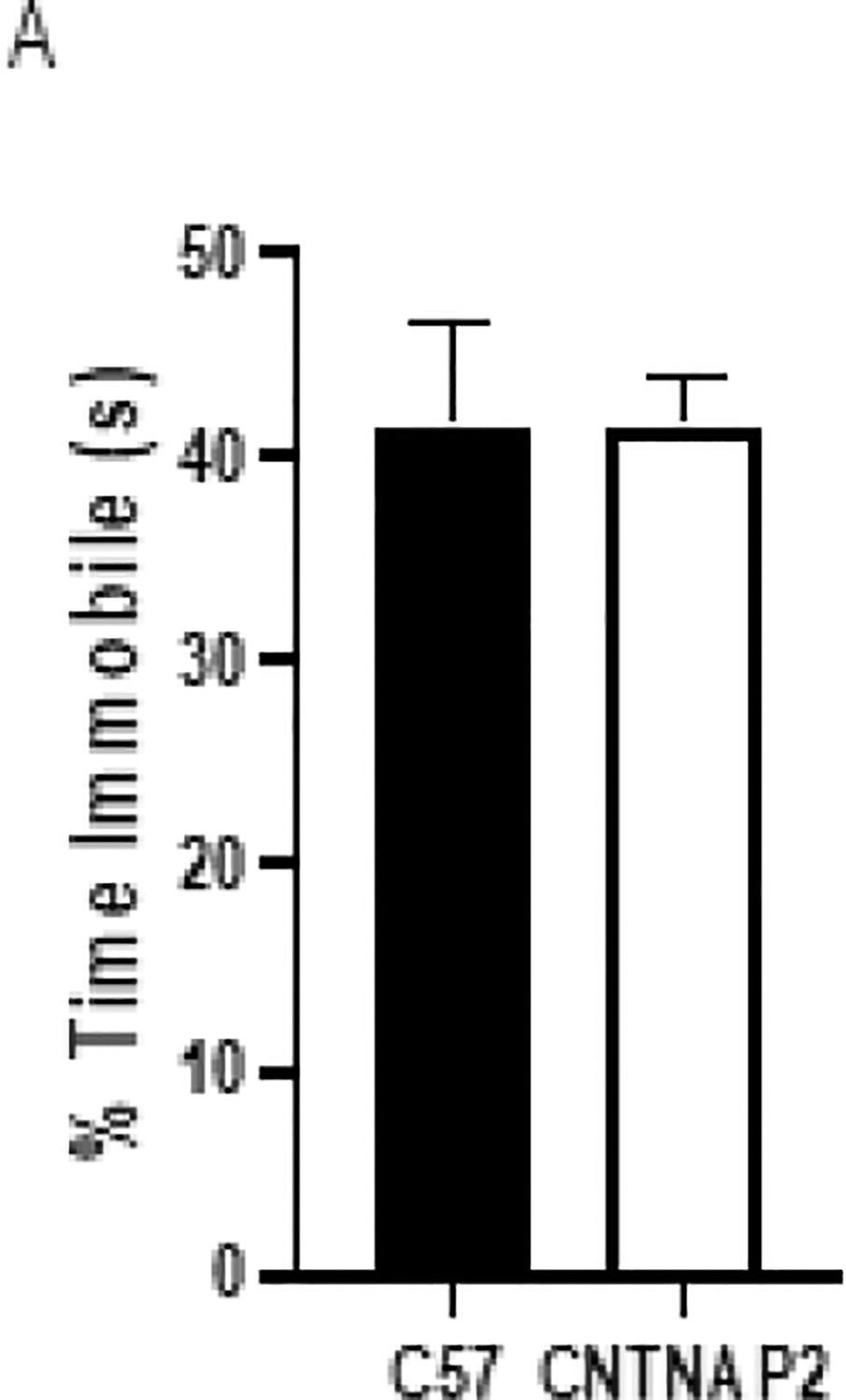
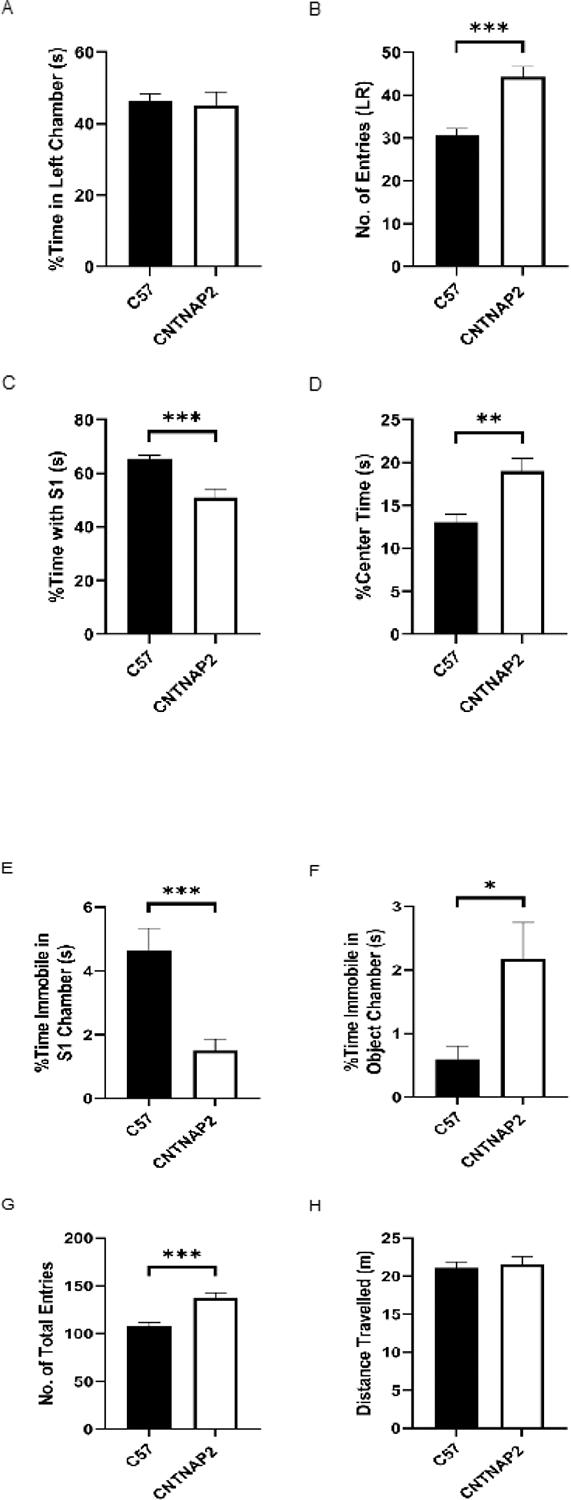
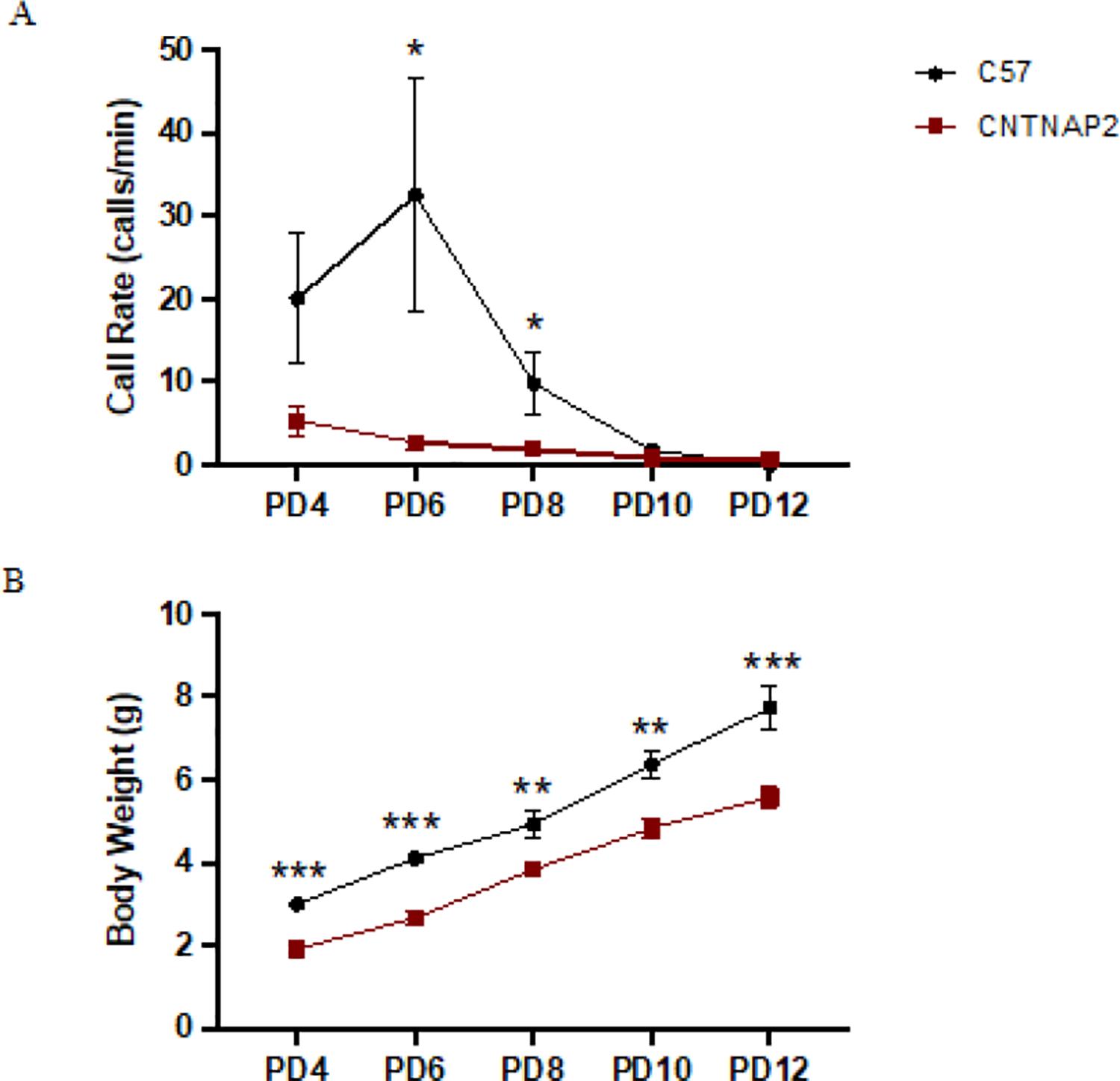
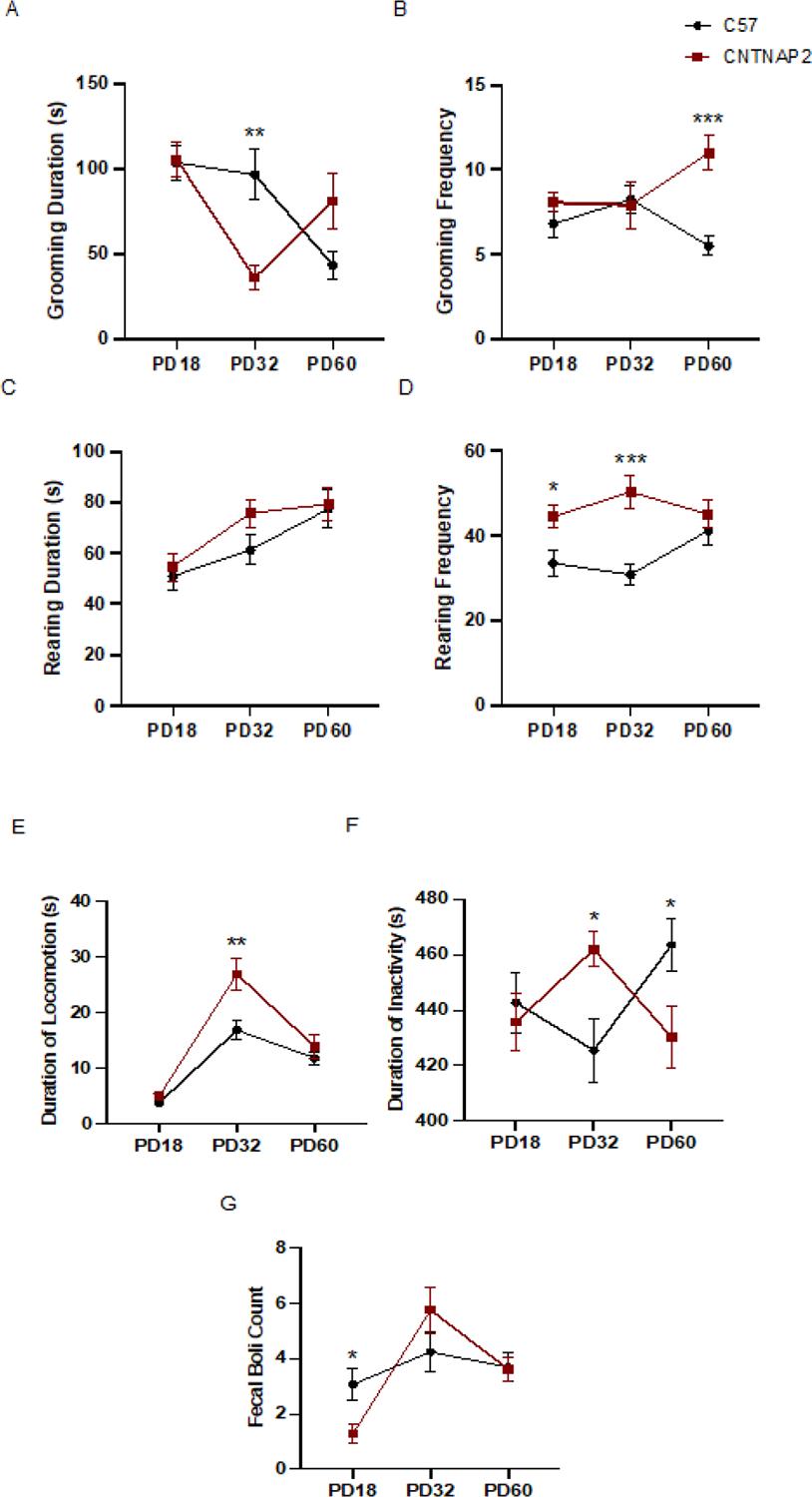
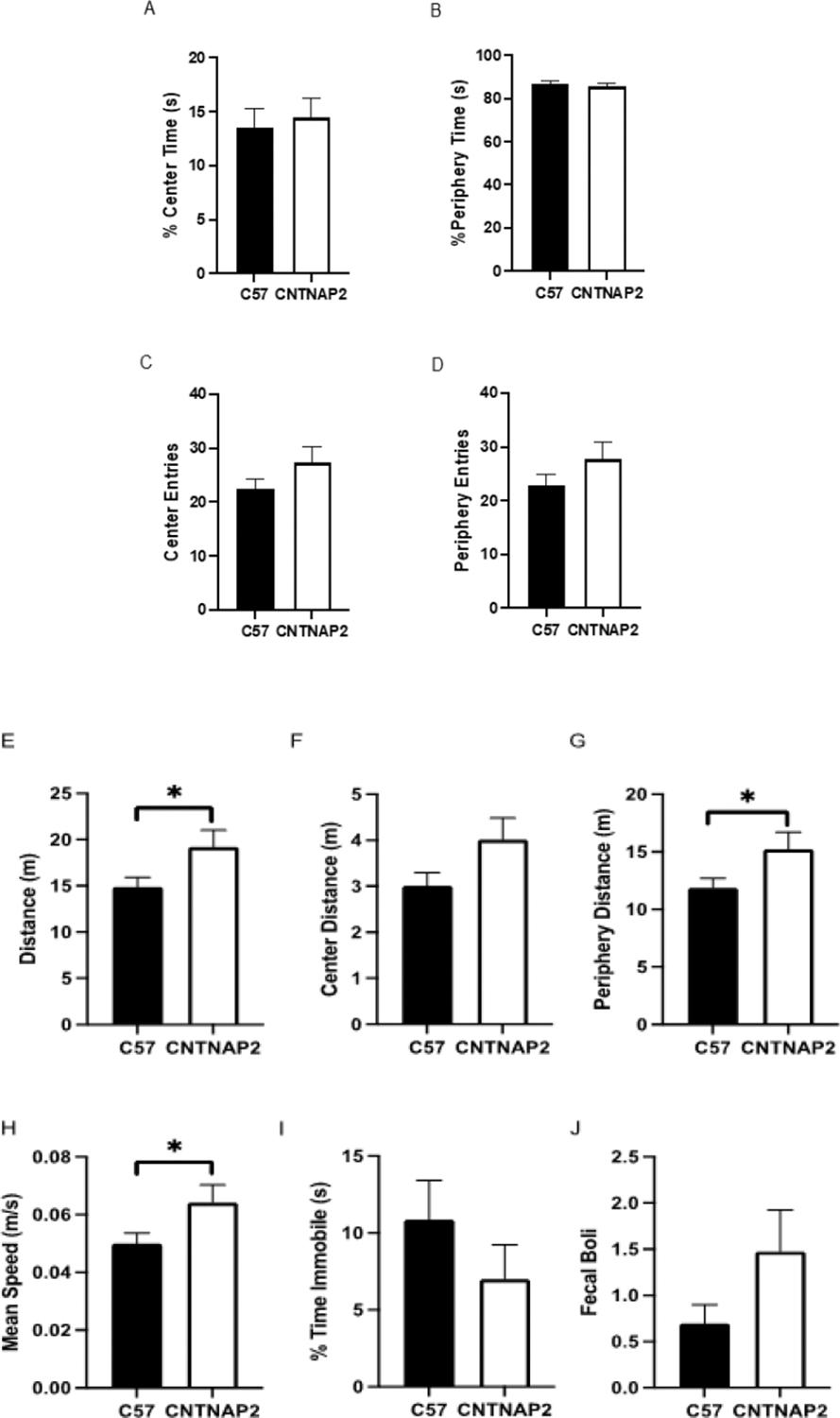
Autism spectrum disorders (ASD) are composed of a range of conditions affecting the development of the nervous ststem; these groups of disorders are unified by characteristic impairments in social interaction, communication, and repetitive behaviors. Due to the somewhat hetereogeneous nature of these conditions, several environmental and genetic causes have been associated with ASD. Among the genetic causes, the CNTNAP2 gene is implicated in syndromic forms of ASD. As such, this gene has been studied in the context of animal model systems, primarily mice and rats; these studies have indicated that knockout of the CNTNAP2 gene results in features that are similar to that observed in human ASD. To further assess this animal model of ASD, in this study, we assessed the behavioral phenotypes of CNTNAP2 knockout mice using a range of behavioral assays targeting core and comorbid traits of ASD. We confirmed that CNTNAP2 mutant mice exhibited social interaction deficits, reduced ultrasonic vocalizations, repetitive behaviors, and hyperactivity, aligning with core and comorbid ASD features. Notably, we also identified novel findings: CNTNAP2 knockout mice displayed increased rearing behavior and lacked anxiety-like behaviors, diverging from the assumption that anxiety is a common feature of this model. These results demonstrate that CNTNAP2 knockout mice recapitulate key ASD-related behaviors while highlighting novel behavioral aspects; these data reinforce their utility as an animal model for studying ASD.
自闭症谱系障碍(ASD)由一系列影响神经系统发育的病症组成;这些病症组通过社交互动、沟通和重复行为方面的特征性损害而统一起来。由于这些病症具有一定程度的异质性,多种环境和遗传原因已被认为与ASD相关。在遗传原因中,接触蛋白相关蛋白2(CNTNAP2)基因与综合征型ASD有关。因此,该基因已在动物模型系统中进行研究,主要是小鼠和大鼠;这些研究表明,敲除CNTNAP2基因会导致出现与人类ASD中观察到的特征相似的情况。为了进一步评估这种ASD动物模型,在本研究中,我们使用一系列针对ASD核心和共病特征的行为测定方法,评估了CNTNAP2基因敲除小鼠的行为表型。我们证实,CNTNAP2突变小鼠表现出社交互动缺陷、超声发声减少、重复行为和多动,这与ASD的核心和共病特征一致。值得注意的是,我们还发现了新的结果:CNTNAP2基因敲除小鼠表现出更多的竖尾行为且没有焦虑样行为,这与焦虑是该模型的常见特征这一假设不同。这些结果表明,CNTNAP2基因敲除小鼠概括了与ASD相关的关键行为,同时突出了新的行为方面;这些数据强化了它们作为研究ASD的动物模型的效用。


 Zotero 插件