
具有适当流变特性及高效形成细胞球体的3D打印藻酸盐基水凝胶
3D-Printed Alginate-Based Hydrogels with Appropriate Rheological Properties and Efficient Development of Cell Spheroids.
作者信息
Mazzoli Alida, Greco Stefania, Luzi Francesca, Evangelisti Maria Caterina, González Abel Duménigo, Corinaldesi Valeria, Caragiuli Manila, Rallini Marco, Puglia Debora, Cinti Saverio, Moretti Paolo, Torre Luigi, Ciarmela Pasquapina
机构信息
Department of Science and Engineering of Matter, Environment and Urban Planning (SIMAU), Università Politecnica delle Marche, UdR INSTM, Via Brecce Bianche, 60131 Ancona, Italy.
Department of Experimental and Clinical Medicine, Università Politecnica delle Marche, Via Tronto 10/A, 60121 Ancona, Italy.
出版信息
Polymers (Basel). 2025 Jun 21;17(13):1730. doi: 10.3390/polym17131730.
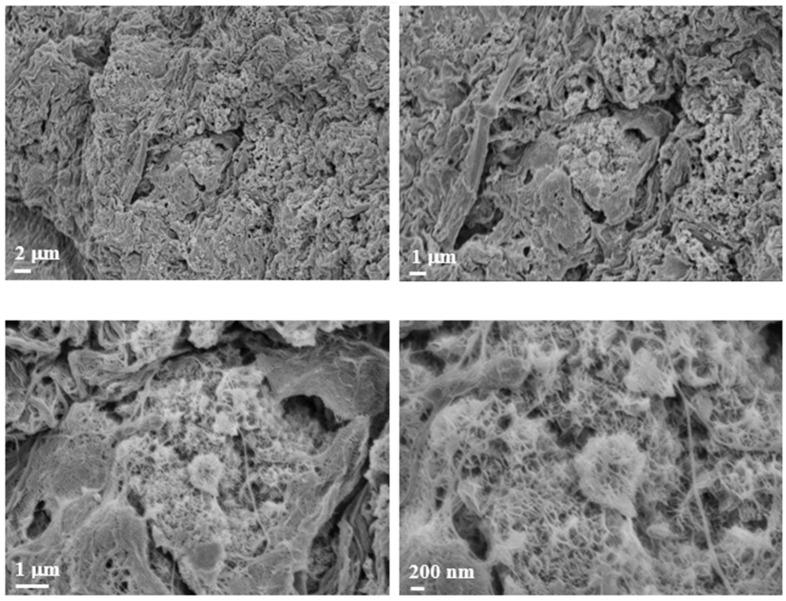
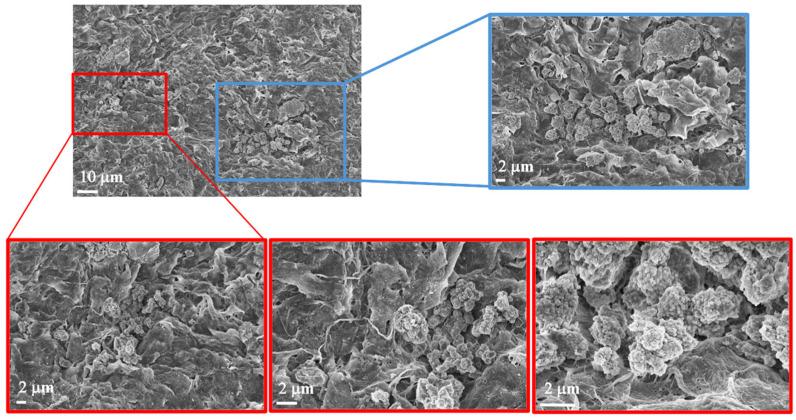
In the last years, considerable innovation has been made regarding bioprinting, particularly in the development of cell-loaded hydrogels. The specific properties of the bioinks are crucial for printing an adequate cell-laden hydrogel structure. In this research, we aimed to develop a 3D-printable hydrogel using a natural biocompatible polymer. The process is based on the use of sodium alginate subjected to calcium ion cross-linking for immediate stiffness after printing. Using the Cellink INKREDIBLE+ printer (Cellink Inc., Goteborg, Sweden), 3D structures were successfully produced. The developed bioink exhibited a viscosity suitable for extrusion printing while ensuring its structural integrity at the same time. Next, 3D spheroids developed by using bioinks were morphologically characterized by using light, a fluorescent microscope, and field emission scanning electron microscopy (FESEM). In conclusion, the properties of the construct obtained using the lab-formulated biocompatible polymer hydrogel suggest its potential use as a framework for three-dimensional cell culture, with possible applications in both fields of research and regenerative medicine.
在过去几年中,生物打印领域取得了显著进展,特别是在含细胞水凝胶的开发方面。生物墨水的特定属性对于打印出合适的载细胞水凝胶结构至关重要。在本研究中,我们旨在使用天然生物相容性聚合物开发一种可3D打印的水凝胶。该过程基于使用经钙离子交联的海藻酸钠,以便在打印后立即获得硬度。使用Cellink INKREDIBLE+打印机(瑞典哥德堡的Cellink公司)成功制作出了3D结构。所开发的生物墨水表现出适合挤出打印的粘度,同时确保其结构完整性。接下来,通过使用光学显微镜、荧光显微镜和场发射扫描电子显微镜(FESEM)对使用生物墨水制备的3D球体进行形态学表征。总之,使用实验室配制的生物相容性聚合物水凝胶获得的构建体的特性表明,它有潜力用作三维细胞培养的支架,在研究和再生医学领域都可能有应用。
 Zotero 插件