
对抗抗生素耐药性的小分子策略:作用机制、修饰及当代方法
Small-molecule strategies to combat antibiotic resistance: mechanisms, modifications, and contemporary approaches.
作者信息
Elkady Hazem, Salman Ibtehal Nasser, Khalifa Mohamed M
机构信息
Pharmaceutical Medicinal Chemistry, Drug Design Department, Faculty of Pharmacy (Boys), Al-Azhar University Cairo 11884 Egypt
Department of Pharmacy, Alamal College for Specialized Medical Sciences Karbala 56001 Iraq
出版信息
RSC Adv. 2025 Jul 14;15(30):24450-24474. doi: 10.1039/d5ra04047g. eCollection 2025 Jul 10.
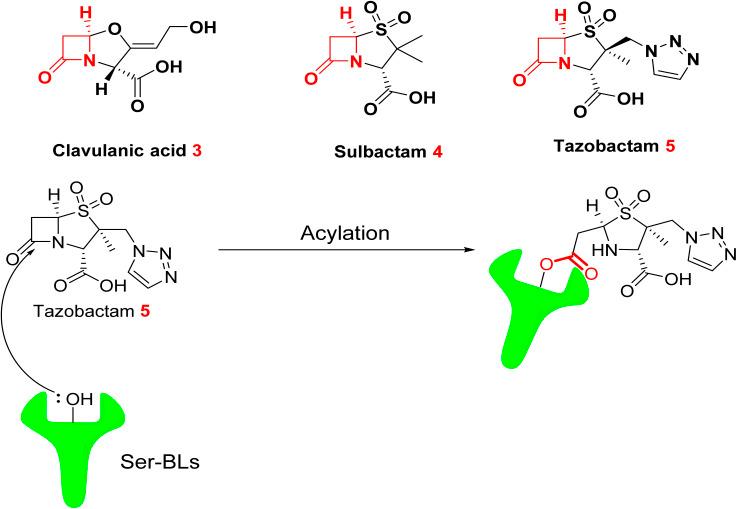
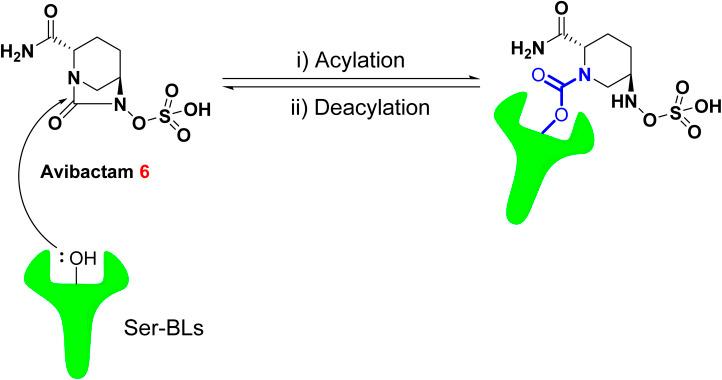
Antibiotic resistance poses a formidable threat to human health, representing a critical challenge that demands urgent attention. Without decisive feat, we confront the alarming prospect of a world where effective antibiotics are no longer available. Bacteria employ various mechanisms to elude antibiotics, including modifying antibiotic targets, utilizing efflux pumps to avoid antibiotics, and inactivating antibiotics. This review focuses on small-molecule-based approaches to overcoming resistance, with emphasis on chemical adjuvants (such as β-lactamase inhibitors, efflux pump inhibitors, and membrane permeabilizers), synergistic combination therapies, repurposed non-antibiotic drugs, and structural modifications of known antibiotics like ciprofloxacin. We critically analyze structure-activity relationships (SAR), biochemical mechanisms, and clinical barriers associated with each strategy. By addressing antibiotic resistance, we aim to fortify our ability to combat bacterial infections effectively and sustain the efficacy of existing antibiotics in the face of evolving resistance.
抗生素耐药性对人类健康构成了巨大威胁,是一个亟需关注的严峻挑战。若不采取果断行动,我们将面临一个可怕的前景:世界上不再有有效的抗生素。细菌采用多种机制来躲避抗生素,包括修饰抗生素靶点、利用外排泵来避开抗生素以及使抗生素失活。本综述聚焦于基于小分子的克服耐药性的方法,重点关注化学佐剂(如β-内酰胺酶抑制剂、外排泵抑制剂和膜通透剂)、协同联合疗法、重新利用的非抗生素药物以及已知抗生素(如环丙沙星)的结构修饰。我们批判性地分析了与每种策略相关的构效关系(SAR)、生化机制和临床障碍。通过应对抗生素耐药性,我们旨在增强有效对抗细菌感染的能力,并在面对不断演变的耐药性时维持现有抗生素的疗效。







 Zotero 插件