
模拟CD8 T细胞耗竭:一种综合方法。
Simulating CD8 T cell exhaustion: A comprehensive approach.
作者信息
Manrique-Rincón Andrea J, Foster Ben, Horswell Stuart, Goulding David A, Adams David J, Speak Anneliese O
机构信息
Cambridge Institute of Therapeutic Immunology and Infectious Disease, University of Cambridge, Cambridge, UK.
Open Targets, Wellcome Genome Campus, Hinxton, Cambridge, UK.
出版信息
iScience. 2025 Jun 12;28(7):112897. doi: 10.1016/j.isci.2025.112897. eCollection 2025 Jul 18.
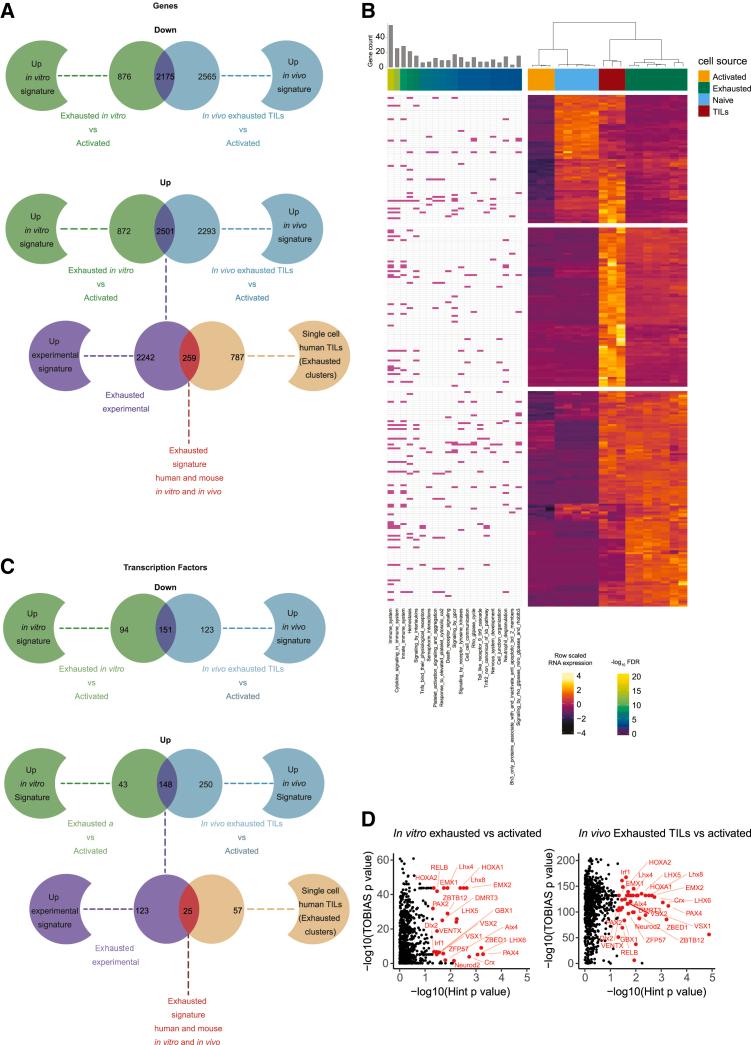
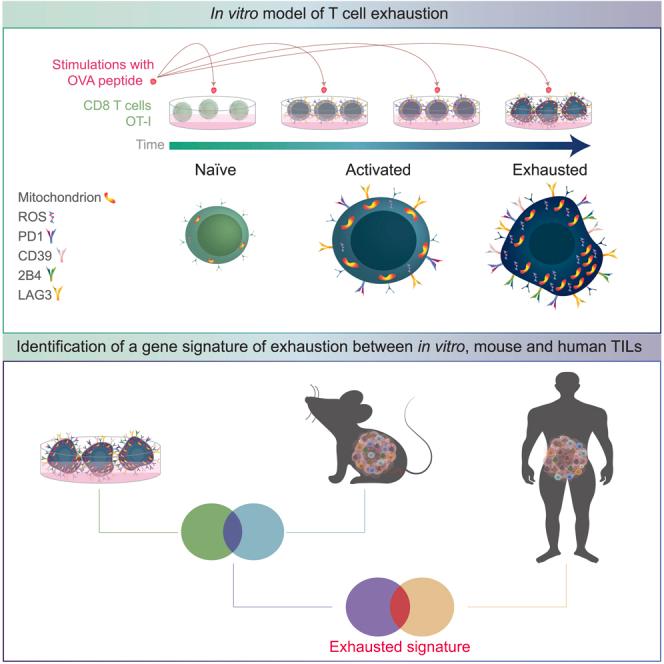
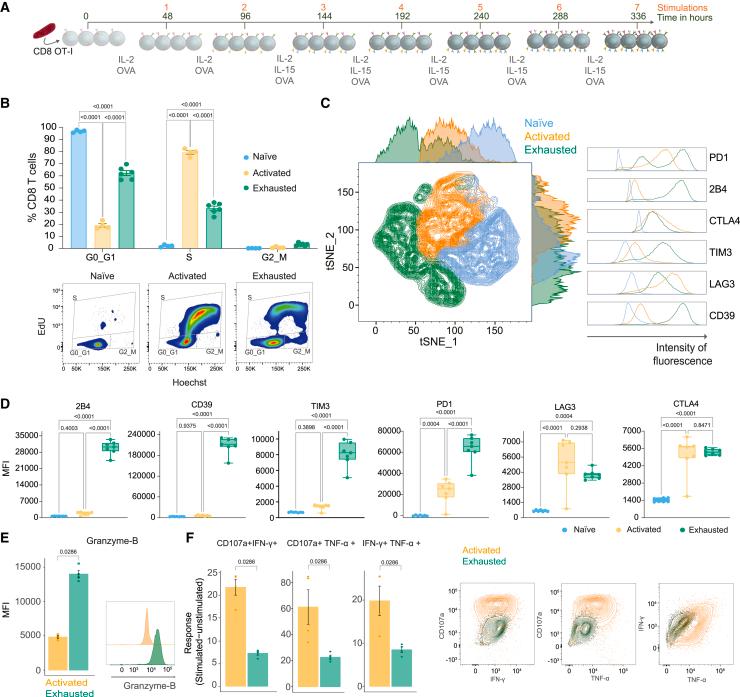
Immunotherapy has transformed cancer treatment but benefits only some patients, and predictive biomarkers are lacking. One correlate of response is the reinvigoration of a subset of CD8 T cells that have an exhausted phenotype and impaired functionality. To develop effective therapies, reproducible models are required to identify candidate target genes that enable reversal of T cell exhaustion. Here, we describe an model by chronically stimulating T cells with their cognate antigen, followed by temporal phenotypic characterization. This model recapitulates many critical hallmarks of exhaustion, including expression of canonical surface markers, impaired proliferation, reduced cytokine production, decreased cytotoxic granule release, and metabolic alterations. Two models validate these results and establish a gene signature shared by and exhausted states. Critically, this signature is observed in tumor infiltrating T cells from multiple human tumor types, validating the translational potential of this model for discovering therapies.
免疫疗法已经改变了癌症治疗方式,但仅使部分患者受益,且缺乏预测性生物标志物。反应的一个相关因素是一部分具有耗竭表型和功能受损的CD8 T细胞的重新激活。为了开发有效的疗法,需要可重复的模型来识别能够逆转T细胞耗竭的候选靶基因。在这里,我们描述了一种通过用其同源抗原长期刺激T细胞,然后进行时间表型特征分析的模型。该模型概括了耗竭的许多关键特征,包括典型表面标志物的表达、增殖受损、细胞因子产生减少、细胞毒性颗粒释放减少以及代谢改变。另外两个模型验证了这些结果,并建立了由和耗竭状态共享的基因特征。至关重要的是,在来自多种人类肿瘤类型的肿瘤浸润T细胞中观察到了这种特征,验证了该模型在发现疗法方面的转化潜力。


 Zotero 插件