
对棘头虫寄生虫杜氏真头虫从头转录组中的金属结合蛋白的初步见解。
First insight into metal binding proteins from the de novo transcriptome of acanthocephalan parasite Dentitruncus truttae.
作者信息
Šariri Sara, Vardić Smrzlić Irena, Mijošek Pavin Tatjana, Filipović Marijić Vlatka
机构信息
Ruđer Bošković Institute, Bijenička cesta 54, Zagreb, 10000, Croatia.
出版信息
Sci Rep. 2025 Jul 18;15(1):26152. doi: 10.1038/s41598-025-11623-5.
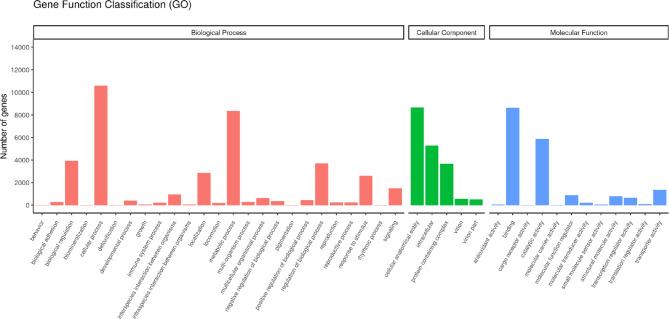
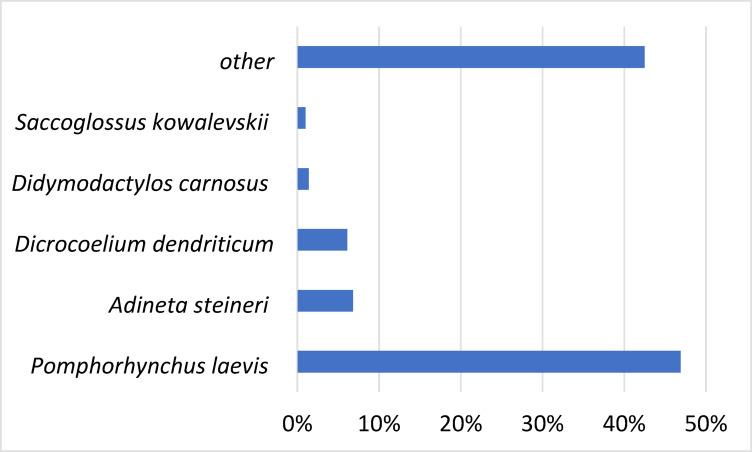
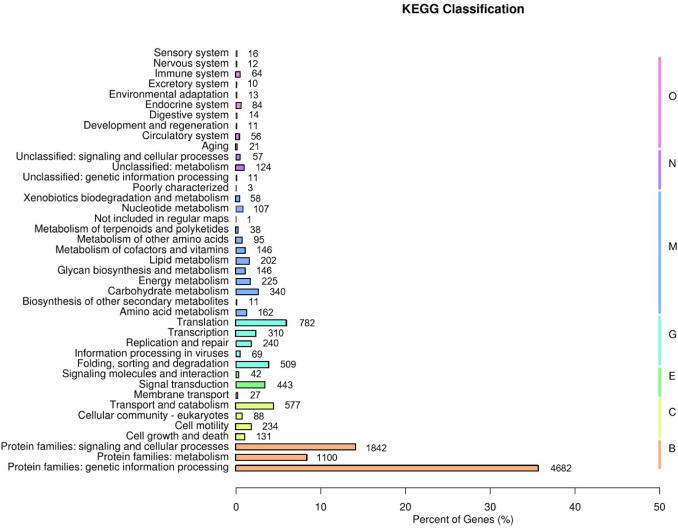
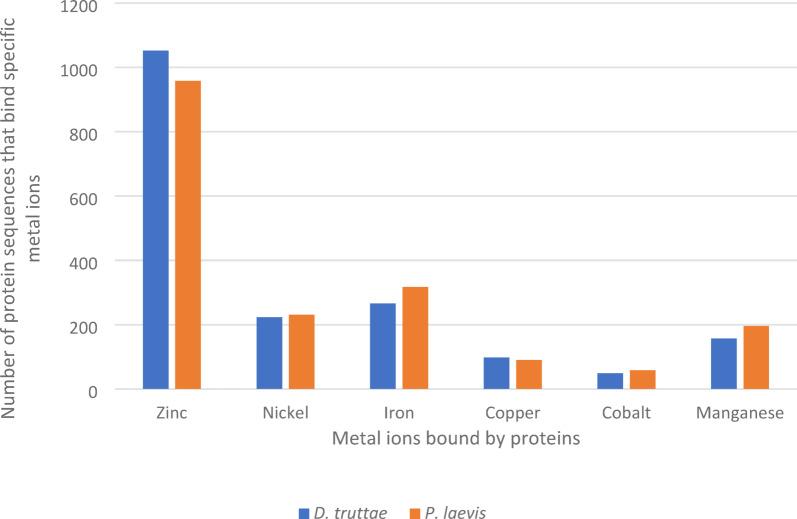
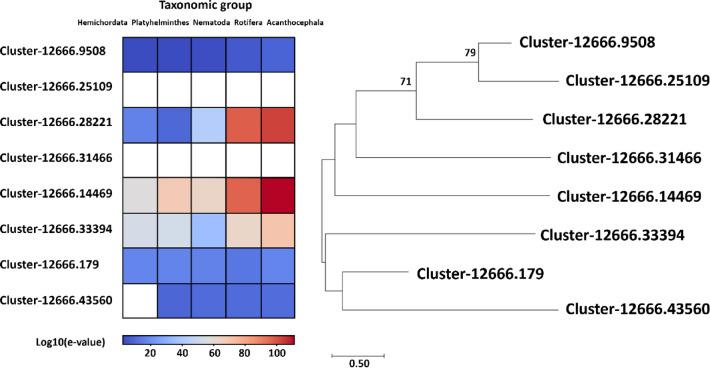
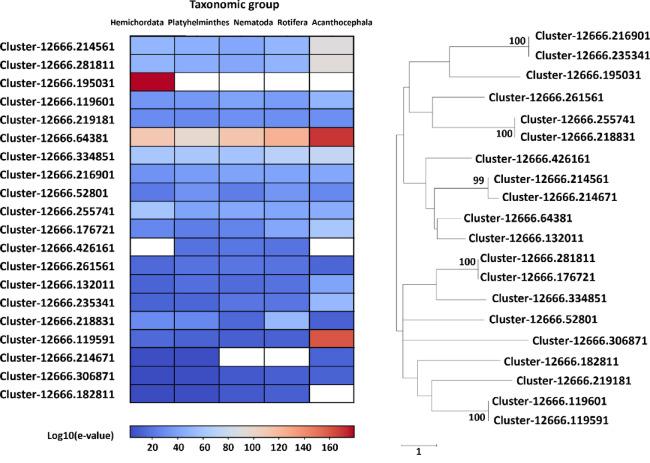
Acanthocephala are parasites increasingly used as bioindicators of environmental quality due to their ability to effectively accumulate metals. However, the mechanisms of metal homeostasis in them remain unclear as there has been only one genomic study on Acanthocephala species (Pomphorhynchus laevis). In the present study, the transcriptome of the freshwater acanthocephalan Dentitruncus truttae was assembled de novo and analyzed for orthologs and metal-binding proteins (MBPs), which were compared between two acanthocephalans and taxa related to them phylogenetically or by lifestyle. MBPs were characterized using the PFAM database and the MeBiPred software. Orthology analysis revealed that 75% of orthogroups were species-specific, with D. truttae sharing most orthologues (21% of non-species-specific) with P. laevis. The proteome of D. truttae consisted of 14.5% MBPs, predominantly zinc-binding proteins such as zinc finger proteins. Phylogenetic analysis of metalloproteases (zinc-binding), iron-sulphur protein group (iron-binding) and nickel-binding ureases/hydrogenases showed that the analyzed sequences are fairly conserved across all taxonomic groups, with a particularly high conservation in Acanthocephala and Rotifera. Protein sequences that could not be described using the PFAM database were grouped into three clusters characterized by a high preference for binding zinc and copper. This study provides the first transcriptomic insights into D. truttae and its MBPs, contributing to future research of the molecular mechanisms underlying metal accumulation in acanthocephalans. These findings may highlight their potential as bioindicators, reveal mechanisms of tolerance to toxic metals, and improve our understanding of their ecological adaptations and roles in aquatic ecosystems.
棘头虫是一种寄生虫,因其能够有效积累金属,越来越多地被用作环境质量的生物指示物。然而,由于对棘头虫物种(平滑棘头虫)仅有一项基因组研究,它们体内金属稳态的机制仍不清楚。在本研究中,对淡水棘头虫杜氏简棘头虫的转录组进行了从头组装,并分析了直系同源基因和金属结合蛋白(MBP),并在两种棘头虫以及与其在系统发育上相关或生活方式相关的类群之间进行了比较。使用PFAM数据库和MeBiPred软件对MBP进行了表征。直系同源分析表明,75%的直系同源组是物种特异性的,杜氏简棘头虫与平滑棘头虫共享的直系同源基因最多(占非物种特异性的21%)。杜氏简棘头虫的蛋白质组由14.5%的MBP组成,主要是锌结合蛋白,如锌指蛋白。对金属蛋白酶(锌结合)、铁硫蛋白组(铁结合)和镍结合脲酶/氢化酶的系统发育分析表明,所分析的序列在所有分类群中都相当保守,在棘头虫和轮虫中保守性尤其高。无法使用PFAM数据库描述的蛋白质序列被分为三个簇,其特征是对锌和铜的结合具有高度偏好。本研究首次提供了对杜氏简棘头虫及其MBP的转录组学见解,有助于未来对棘头虫金属积累潜在分子机制的研究。这些发现可能突出它们作为生物指示物的潜力,揭示对有毒金属的耐受机制,并增进我们对它们在水生生态系统中的生态适应和作用理解。



 Zotero 插件