
基于MIMIC-IV数据的重症缺血性中风患者血清乳酸水平与死亡率之间的关联
Association between serum lactate and mortality in critically ill ischemic stroke patients based on MIMIC-IV data.
作者信息
Zhao Zongren, Liu Yu, Ji Huanhuan
机构信息
Department of Neurosurgery, Affiliated Huaian Hospital of Xuzhou Medical University, Huaian, 223002, China.
出版信息
Sci Rep. 2025 Jul 18;15(1):26155. doi: 10.1038/s41598-025-11461-5.
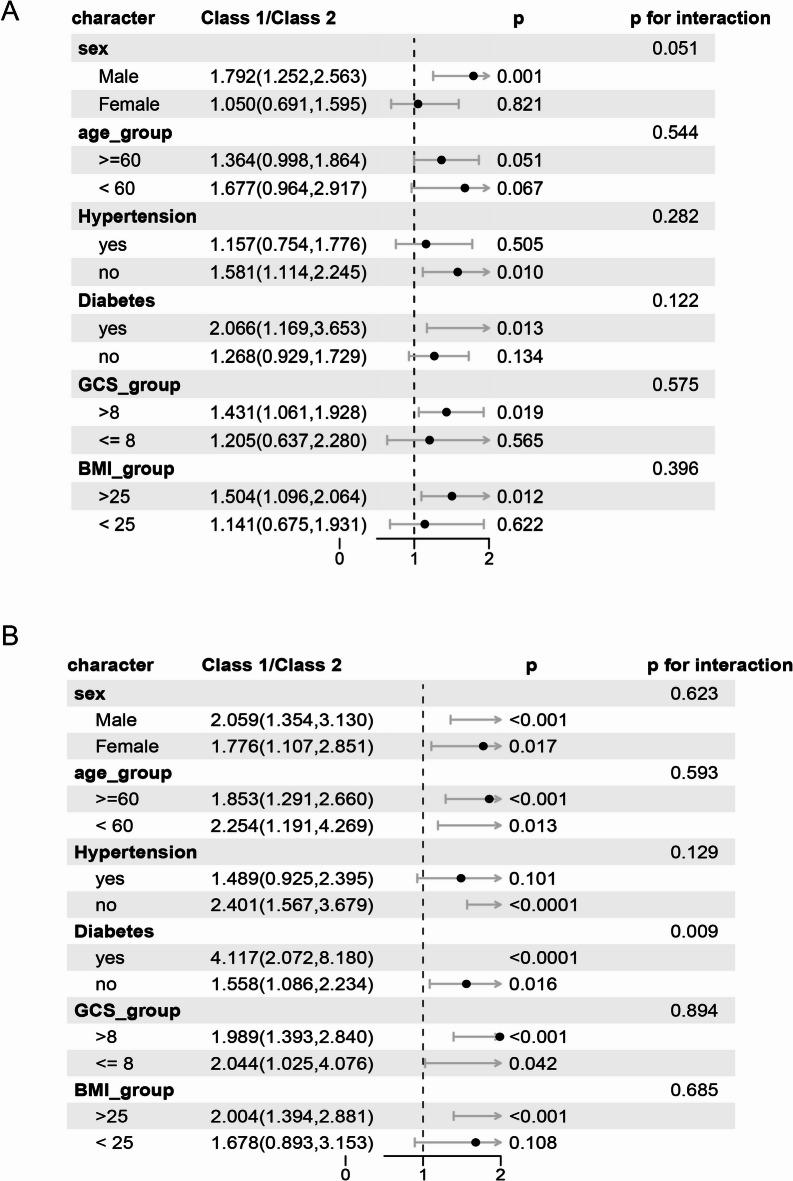
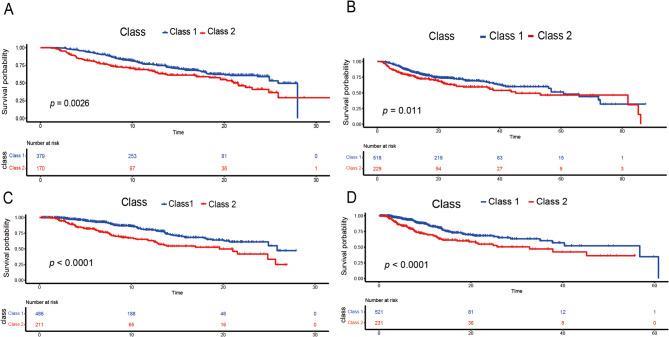
Stroke, as an acute cerebrovascular disease, results from brain tissue damage caused by the sudden blockage or rupture of cerebral blood vessels. Ischemic stroke, a specific type of stroke, accounts for two-thirds of stroke cases leading to disability or even death, significantly impacting patients' quality of life. Lactate, an indispensable substance in various physiological and pathological processes, has been utilized in predicting the prognosis of sepsis, heart failure, and acute respiratory failure. Although previous studies have evaluated the prognostic value of serum lactate at single time points, the predictive potential of dynamic lactate trajectories for all-cause mortality in patients with ischemic stroke remains unclear. Therefore, this study aims to elucidate the correlation between serum lactate concentration trajectories and all-cause mortality in patients with ischemic stroke. Information was gathered from the MIMIC-IV database, encompassing patients who had undergone a minimum of two serum lactate count assessments in the initial 7 days of ICU stay. The technique of group-based trajectory modeling (GBTM) was employed to pinpoint unique lactate counting paths. Patient classification into different trajectory categories was based on the fluctuations in their serum lactate levels throughout a specific duration. For assessing the link between serum lactate concentrations and the risk of death, survival studies were performed utilizing Kaplan-Meier curves and Cox proportional-hazards regression models. Additionally, we analyzed clinical features and the duration of hospital stays among groups defined by their trajectories to pinpoint possible variances in patient results and resource usage. The study included a cohort of 752 patients, within which two distinct trajectories of serum lactate count were identified: Class 1, characterized by an "steeper reduction of serum lactate count," and Class 2, characterized by a "more gradual but consistent decrease of serum lactate count." Further observation of clinical feature differences revealed that Class 2 had higher clinical evaluation index scores compared to Class 1 (SOFA, APS III, SAPS II and OASIS), and also exhibited a higher mortality rate. Subsequent Kaplan-Meier analysis demonstrated that Class 1 showed a better survival curve trend compared to Class 2 at both 28 and 90 days (all p-values less than 0.05). Additionally, further analysis using single-variable and multiple-variable Cox regression confirmed that the risk of death for Class 2 was higher than that of Class 1 at both 28 and 90 days, both in the hospital and ICU settings (hazard ratio ranges from 1.41 to 3.37, with all p-values less than 0.05). Finally, subgroup analysis identified several factors that significantly influenced trajectory classification and associated risks, including age, gender, presence of comorbidities such as diabetes, higher GCS scores and higher BMI values. This study highlights the prognostic significance of serum lactate concentration trajectories in patients with ischemic stroke. A consistent decreasing trajectory of serum lactate concentration is associated with an increased risk of mortality. Furthermore, subgroup analysis suggests that males, elder individuals, overweight or obesity people and those with diabetes are particularly noteworthy subgroups. Early identification of these clinical characteristics may aid in enhancing risk stratification and provide a basis for targeted therapeutic interventions. Future research should explore the underlying mechanistic pathways.
中风作为一种急性脑血管疾病,是由脑血管突然阻塞或破裂导致脑组织损伤引起的。缺血性中风是中风的一种特定类型,占导致残疾甚至死亡的中风病例的三分之二,对患者的生活质量有重大影响。乳酸是各种生理和病理过程中不可或缺的物质,已被用于预测败血症、心力衰竭和急性呼吸衰竭的预后。尽管先前的研究评估了血清乳酸在单个时间点的预后价值,但缺血性中风患者动态乳酸轨迹对全因死亡率的预测潜力仍不清楚。因此,本研究旨在阐明缺血性中风患者血清乳酸浓度轨迹与全因死亡率之间的相关性。从MIMIC-IV数据库收集信息,该数据库涵盖了在ICU住院的最初7天内至少接受过两次血清乳酸计数评估的患者。采用基于组的轨迹建模(GBTM)技术来确定独特的乳酸计数路径。根据患者在特定时间段内血清乳酸水平的波动将其分类到不同的轨迹类别中。为了评估血清乳酸浓度与死亡风险之间的联系,利用Kaplan-Meier曲线和Cox比例风险回归模型进行了生存研究。此外,我们分析了由轨迹定义的组之间的临床特征和住院时间,以确定患者结果和资源使用方面可能存在的差异。该研究纳入了752名患者,其中确定了两种不同的血清乳酸计数轨迹:第1类,其特征为“血清乳酸计数下降更陡峭”;第2类,其特征为“血清乳酸计数下降更缓慢但持续”。对临床特征差异的进一步观察发现,与第1类相比,第2类具有更高的临床评估指标评分(序贯器官衰竭评估、急性生理与慢性健康状况评分III、简化急性生理学评分II和器官功能障碍评估系统),并且死亡率也更高。随后的Kaplan-Meier分析表明,在28天和90天时,第1类比第2类显示出更好的生存曲线趋势(所有p值均小于0.05)。此外,使用单变量和多变量Cox回归的进一步分析证实,在医院和ICU环境中,第2类在28天和90天时的死亡风险均高于第1类(风险比范围为1.41至3.37,所有p值均小于0.05)。最后,亚组分析确定了几个显著影响轨迹分类和相关风险的因素,包括年龄、性别、是否存在糖尿病等合并症、更高的格拉斯哥昏迷量表评分和更高的体重指数值。本研究强调了缺血性中风患者血清乳酸浓度轨迹的预后意义。血清乳酸浓度持续下降的轨迹与死亡风险增加相关。此外,亚组分析表明,男性、老年人、超重或肥胖者以及糖尿病患者是特别值得关注的亚组。早期识别这些临床特征可能有助于加强风险分层,并为有针对性的治疗干预提供依据。未来的研究应探索潜在的机制途径。

 Zotero 插件