
与泪液相关的蜡和胆固醇酯二元混合物的热致相变
Thermotropic phase transitions of binary mixtures of wax and cholesteryl esters relevant to tears.
作者信息
Glasgow Ben J, Abduragimov Adil R
机构信息
Departments of Ophthalmology, Pathology and Laboratory Medicine, Jules Stein Eye Institute, University of California, Los Angeles, 100 Stein Plaza Rm. BH 623, Los Angeles, CA, 90095, United States.
出版信息
Biochem Biophys Rep. 2025 Jul 1;43:102126. doi: 10.1016/j.bbrep.2025.102126. eCollection 2025 Sep.
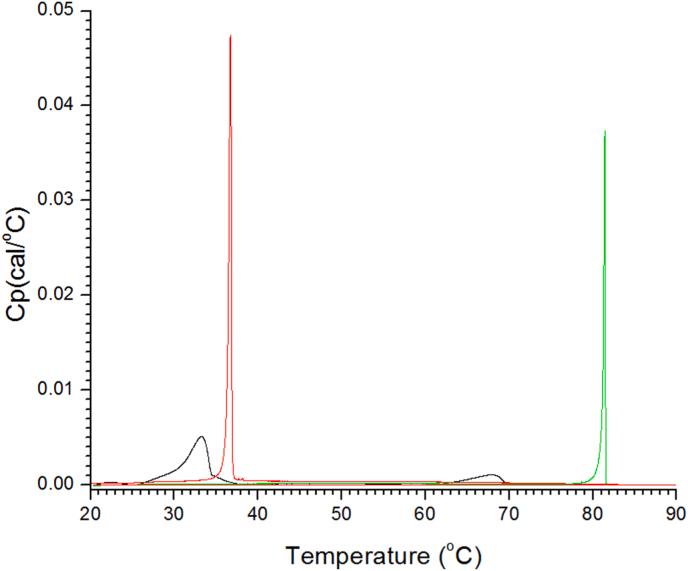
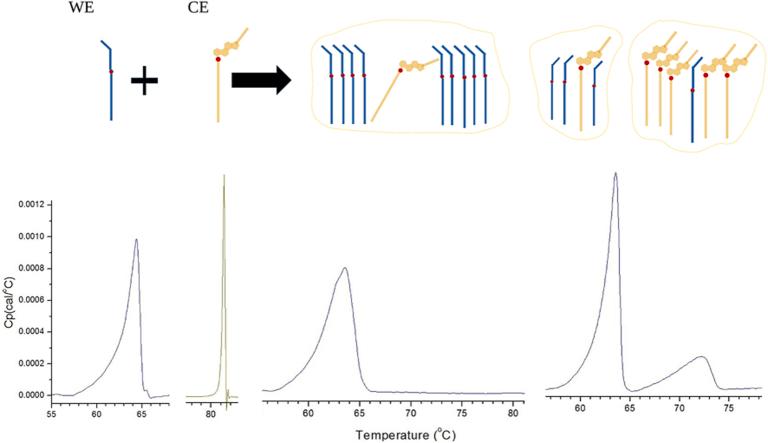
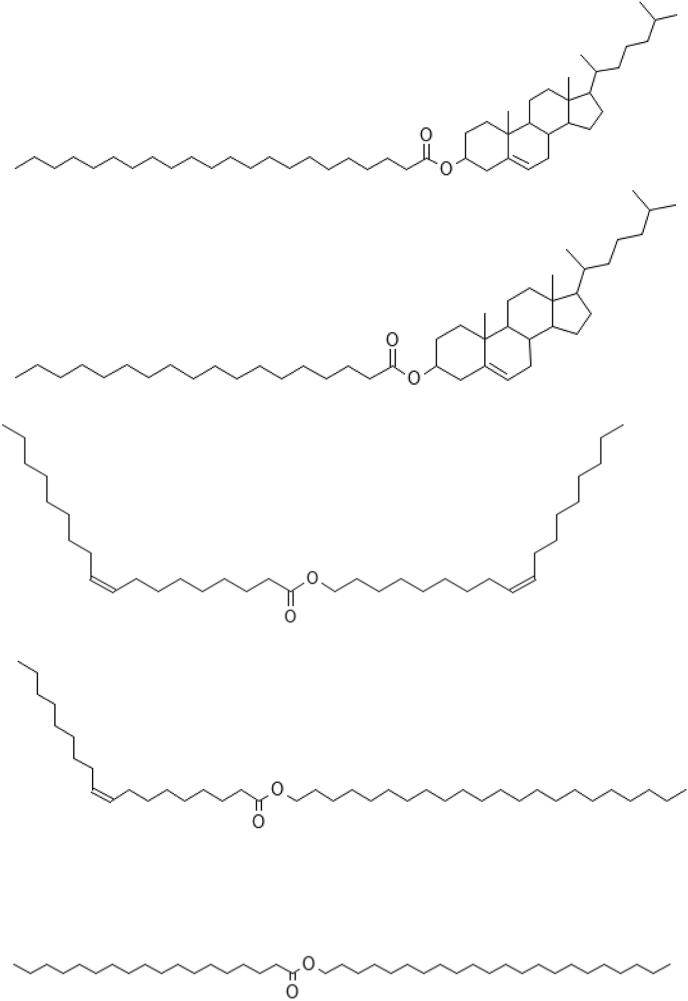
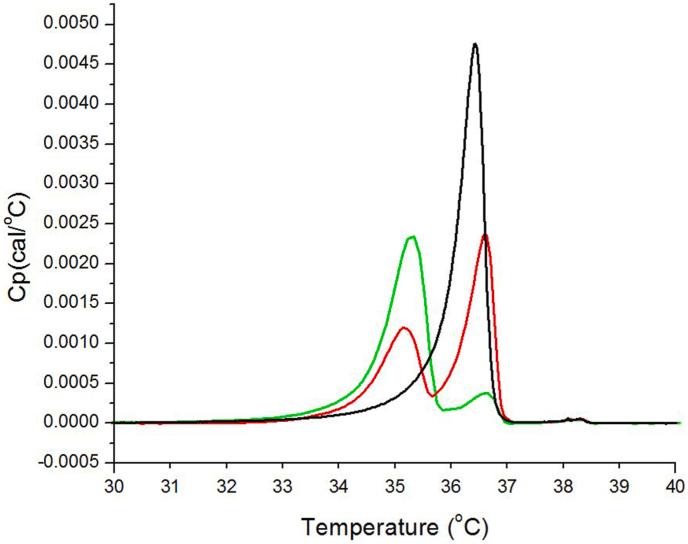
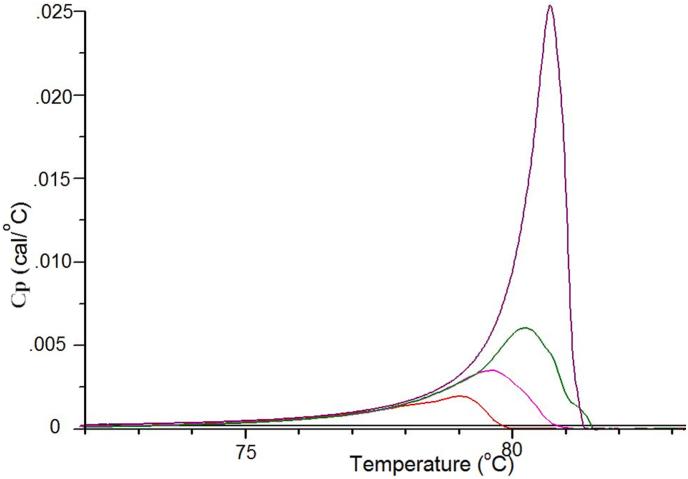
The most abundant lipids on the ocular surface are wax and cholesteryl esters that have long alkyl chains. The phase transition temperatures of some of these lipids including the most common cholesteryl and wax esters exceed the ocular surface temperature of 35 °C. However, the transition temperature of meibum is 30 °C. Limited infrared spectroscopic studies have shown that mixtures of some lipids from meibum may alter the phase transition and conformation of wax esters to stabilize the lipid layer of tears. However, binary mixtures of cholesteryl and wax esters have not been assessed with differential scanning calorimetry to compare the thermal transitions of individual components to the mix. Here, thermograms of binary mixtures of cholesteryl and wax esters show that phase transition temperatures of either single component are reduced by addition of the fellow component and/or new phase transitions appear. Enthalpy values of the binary mixtures were less than that of the sum of individual lipids. Increasing mole fractions of either component in the binary mixture resulted in thermographic peaks with greater width at half maximum as well as alteration in peak height. The phase transition of cholesteryl esters with high transition temperatures were not visible in mixtures with large excesses of wax esters. The results indicate that binary mixtures of wax and cholesterol esters reduce the enthalpic energy for transition, reduce cooperativity and lower the transition temperature. These changes may help to avert crystallization of high melting point lipids on the ocular surface.
眼表最丰富的脂质是具有长烷基链的蜡酯和胆固醇酯。其中一些脂质(包括最常见的胆固醇酯和蜡酯)的相变温度超过了35℃的眼表温度。然而,睑脂的转变温度为30℃。有限的红外光谱研究表明,睑脂中某些脂质的混合物可能会改变蜡酯的相变和构象,从而稳定泪液的脂质层。然而,胆固醇酯和蜡酯的二元混合物尚未通过差示扫描量热法进行评估,以比较各组分与混合物的热转变。在此,胆固醇酯和蜡酯二元混合物的热分析图表明,添加另一种组分可降低单一成分的相变温度和/或出现新的相变。二元混合物的焓值小于各脂质总和的焓值。二元混合物中任一成分摩尔分数的增加都会导致热分析峰半高宽增大以及峰高改变。在蜡酯大量过量的混合物中,具有高转变温度的胆固醇酯的相变不可见。结果表明,蜡酯和胆固醇酯的二元混合物降低了转变的焓能,降低了协同性并降低了转变温度。这些变化可能有助于避免眼表高熔点脂质的结晶。




 Zotero 插件