
患有心血管疾病的受试者的生物性心脏和大脑衰老
Biological heart and brain ageing in subjects with cardiovascular diseases.
作者信息
Mcavoy Elizabeth, Wilms Matthias, Forkert Nils D
机构信息
Department of Radiology, University of Calgary, Calgary, AB, Canada.
Hotchkiss Brain Institute, University of Calgary, Calgary, AB, Canada.
出版信息
Front Cardiovasc Med. 2025 Jul 7;12:1569423. doi: 10.3389/fcvm.2025.1569423. eCollection 2025.
INTRODUCTION
The heart-brain axis hypothesis suggests a bidirectional connection between the brain and the heart with relevant implications in health and disease. Cardiovascular diseases have been empirically linked to an increased risk of neurological diseases. However, it remains unclear to what extent different cardiovascular diseases affect brain health quantitatively across subjects and if that is associated with the extent the heart is affected by a disease. Therefore, this study aims to explore how cardiovascular diseases affect biological ageing of the brain and heart by quantifying the brain age gap (BAG) and the heart age gap (HAG) and relating the two to each other.
METHODS
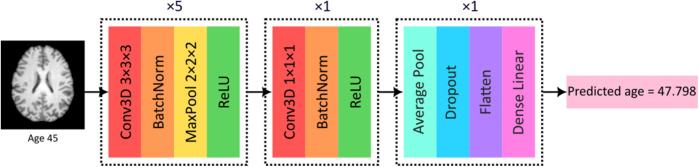
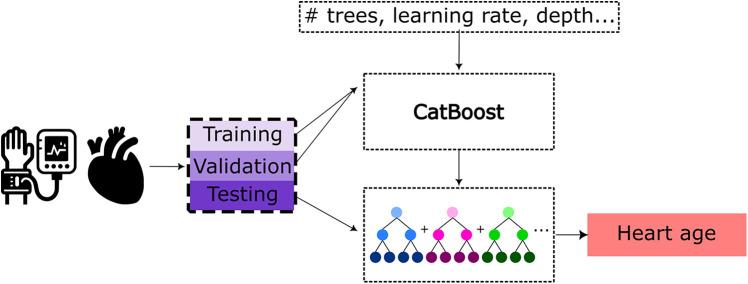
This study used data from UK Biobank participants with available T1-weighted brain magnetic resonance imaging (MRI) scans, cardiac MRI-derived features, as well as pulse wave analysis cardiac measurements. This dataset included 7,500 healthy females and 6,684 healthy males. The data from healthy subjects was used to train biological brain age prediction machine learning models. For BAG computation, a convolutional neural network was trained based on the MRI data, while a CatBoost model was trained for HAG analyses based on the tabulated cardiac features. Individuals with cardiovascular diseases (F = 2,304, M = 2,925) in the UK Biobank were categorized using Phecodes and split based on sex and used to calculate the HAG and BAG for further analyses.
RESULTS
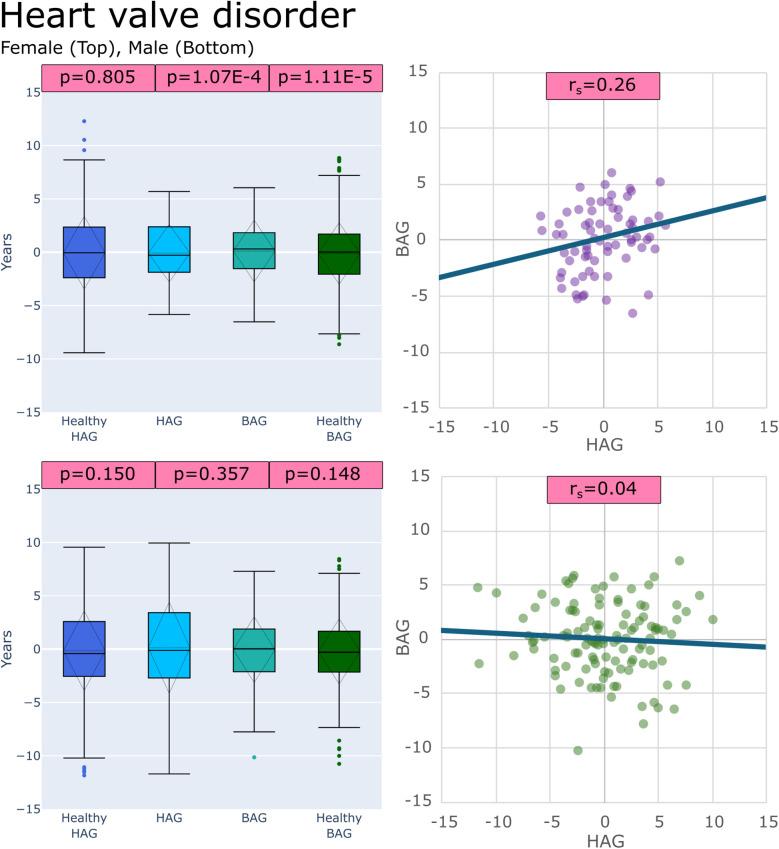
In 36 sex-specific cardiovascular disease groups, 24 showed significant differences from healthy subjects in the BAG and HAG distributions, whereas no strong correlations between the BAG and HAG distributions within disease groups were found. However, some diseases, such as hypotension and cardiac conduction disorders, showed sex-specific differences.
DISCUSSION
This study demonstrates that the combined use of HAG and BAG biomarkers provides a more comprehensive understanding of the interplay between cardiovascular and neurological ageing. The significant differences observed in disease groups, while lacking a strong correlation between the BAG and HAG, questions the generalizability of the heart-brain axis theory with respect to age gap biomarkers, suggesting potentially heterogeneous aging processes of the two systems that warrant further investigation in future work.
引言
心脑轴假说表明大脑与心脏之间存在双向联系,这对健康和疾病具有重要意义。心血管疾病已被实证证明与神经疾病风险增加有关。然而,不同的心血管疾病在多大程度上会在个体间定量影响大脑健康,以及这是否与心脏受疾病影响的程度相关,目前仍不清楚。因此,本研究旨在通过量化脑年龄差距(BAG)和心脏年龄差距(HAG)并将两者相互关联,来探索心血管疾病如何影响大脑和心脏的生物衰老。
方法
本研究使用了英国生物银行参与者的数据,这些数据包括可用的T1加权脑磁共振成像(MRI)扫描、心脏MRI衍生特征以及脉搏波分析心脏测量数据。该数据集包括7500名健康女性和6684名健康男性。健康受试者的数据用于训练生物脑年龄预测机器学习模型。对于BAG计算,基于MRI数据训练了一个卷积神经网络,而基于列表形式的心脏特征训练了一个CatBoost模型用于HAG分析。英国生物银行中患有心血管疾病的个体(女性=2304人,男性=2925人)使用疾病编码进行分类,并按性别进行划分,用于计算HAG和BAG以进行进一步分析。
结果
在36个特定性别的心血管疾病组中,24组在BAG和HAG分布上与健康受试者存在显著差异,而在疾病组内未发现BAG和HAG分布之间有强相关性。然而,一些疾病,如低血压和心脏传导障碍,表现出性别特异性差异。
讨论
本研究表明,联合使用HAG和BAG生物标志物能更全面地理解心血管衰老与神经衰老之间的相互作用。在疾病组中观察到的显著差异,虽然BAG和HAG之间缺乏强相关性,但这对心脑轴理论在年龄差距生物标志物方面的普遍性提出了质疑,表明这两个系统的衰老过程可能存在异质性,值得在未来研究中进一步探讨。


 Zotero 插件