
已批准用于人类的兽用抗生素:巴西伴侣动物使用情况及监管差距的五年分析
Veterinary Prescriptions of Antibiotics Approved for Human Use: A Five-Year Analysis of Companion Animal Use and Regulatory Gaps in Brazil.
作者信息
Rached Rana Zahi, Pose Regina Albanese, Caetano Érika Leão Ajala, Magalhães Joana Garrossino, Grotto Denise
机构信息
Toxicological Research Laboratory-Lapetox, University of Sorocaba, São Paulo 18023-000, Brazil.
School of Health-Veterinary Medicine, University of São Caetano do Sul, São Paulo 09521-160, Brazil.
出版信息
Vet Sci. 2025 Jul 9;12(7):652. doi: 10.3390/vetsci12070652.
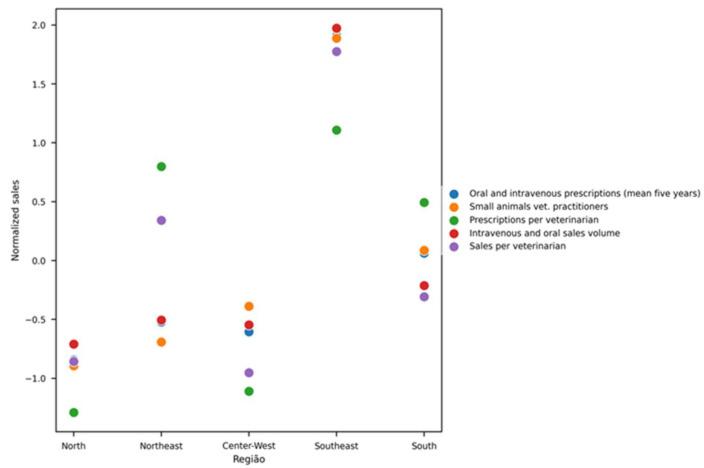
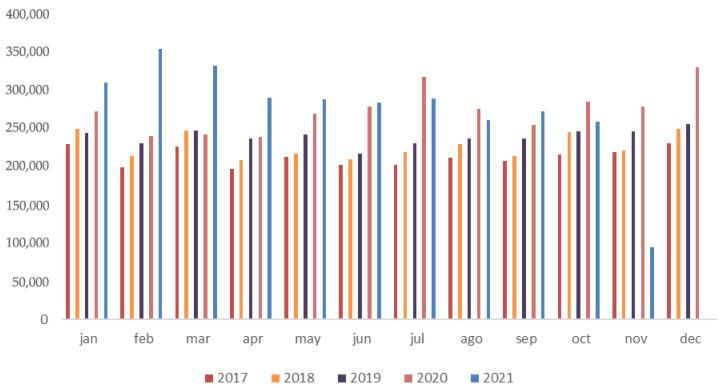
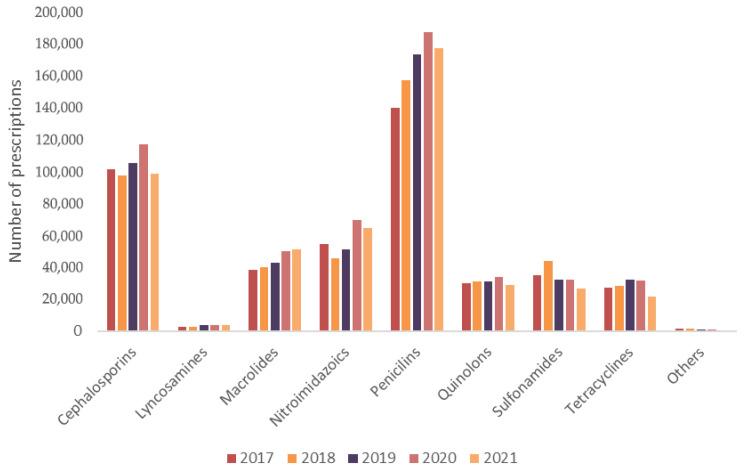
Antimicrobial resistance (AMR) is a growing global concern, influenced by antibiotic use in both human and veterinary medicine, especially in companion animals. In low- and middle-income countries, regulatory oversight on veterinary prescriptions is often limited, creating gaps that can accelerate AMR. This study aimed to characterize the use of antibiotics approved for human use that are prescribed by veterinarians for companion animals in Brazil, a country representative of broader regulatory challenges. We conducted a retrospective analysis of five years (2017-2021) of national sales data recorded by the National System for the Management of Controlled Products (SNGPC), maintained by the Brazilian Health Regulatory Agency (ANVISA). A total of 789,893 veterinary antibiotic prescriptions were analyzed over the five-year period, providing a comprehensive overview of prescribing patterns. The dataset included all oral and injectable antibiotics purchased in human pharmacies with veterinary prescriptions. Data wrangling and cleaning procedures were applied to extract information on volume, antibiotic classes, seasonal variation, and regional distribution. The results revealed a predominance of penicillins, first- and second-generation cephalosporins, and a marked increase in macrolide use, especially azithromycin. Notable regional disparities were observed, with the southeastern region leading in prescription volume. The findings, particularly the disproportionate use of azithromycin and the marked regional disparities, highlight the need for targeted monitoring policies and a stricter regulation of off-label antibiotic use in veterinary medicine. They also offer insights applicable to other countries facing similar AMR threats due to limited surveillance and regulatory frameworks.
抗菌药物耐药性(AMR)是一个日益引起全球关注的问题,受到人类和兽医学中抗生素使用的影响,尤其是在伴侣动物中。在低收入和中等收入国家,对兽用处方的监管监督往往有限,从而产生了可能加速抗菌药物耐药性的漏洞。本研究旨在描述在巴西由兽医为伴侣动物开具的、已获人类使用批准的抗生素的使用情况,巴西是一个代表更广泛监管挑战的国家。我们对巴西卫生监管机构(ANVISA)维护的国家管制产品管理系统(SNGPC)记录的五年(2017 - 2021年)全国销售数据进行了回顾性分析。在这五年期间,共分析了789,893份兽用抗生素处方,全面概述了处方模式。该数据集包括所有凭兽用处方在人类药店购买的口服和注射用抗生素。应用数据整理和清理程序来提取有关数量、抗生素类别、季节性变化和区域分布的信息。结果显示青霉素、第一代和第二代头孢菌素占主导地位,大环内酯类药物的使用显著增加,尤其是阿奇霉素。观察到明显的区域差异,东南部地区的处方量领先。这些发现,特别是阿奇霉素的过度使用和明显的区域差异,凸显了针对性监测政策的必要性以及对兽医学中标签外抗生素使用进行更严格监管的必要性。它们还为其他因监测和监管框架有限而面临类似抗菌药物耐药性威胁的国家提供了可借鉴的见解。

 Zotero 插件