
改善慢性卒中的功能性运动结局:对非侵入性脑刺激日益增长作用的系统评价
Enhancing functional motor outcomes in chronic stroke: A systematic review of the growing role of non-invasive brain stimulation.
作者信息
Bonanno Mirjam, Maggio Maria Grazia, Quartarone Angelo, Morone Giovanni, De Nunzio Alessandro Marco, Militi David, Casella Carmela, Galasso Svonko, Calabrò Rocco Salvatore
机构信息
IRCCS Centro Neurolesi Bonino Pulejo, Messina, Italy.
Department of Life, Health and Environmental Sciences, University of L'Aquila, L'Aquila, Italy.
出版信息
PLoS One. 2025 Jul 28;20(7):e0327583. doi: 10.1371/journal.pone.0327583. eCollection 2025.
INTRODUCTION
Non-invasive brain stimulation (NIBS) promotes functional recovery by enhancing neuroplasticity and reorganizing brain networks. It is hypothesized that transcranial magnetic stimulation (TMS), repetitive transcranial magnetic stimulation (rTMS), or intermittent θ-burst stimulation (i-TBS) as well as trans direct current stimulation (tDCS) can modulate synaptic connectivity, through magnetic or electric stimuli, directly on the brain area. This systematic review aims to address the lack of comprehensive syntheses focusing on the comparative effectiveness of NIBS techniques, including tDCS, rTMS, and iTBS, on distinct motor domains (upper limb, lower limb, and vocal/swallowing functions) in chronic stroke patients.
EVIDENCE ACQUISITION
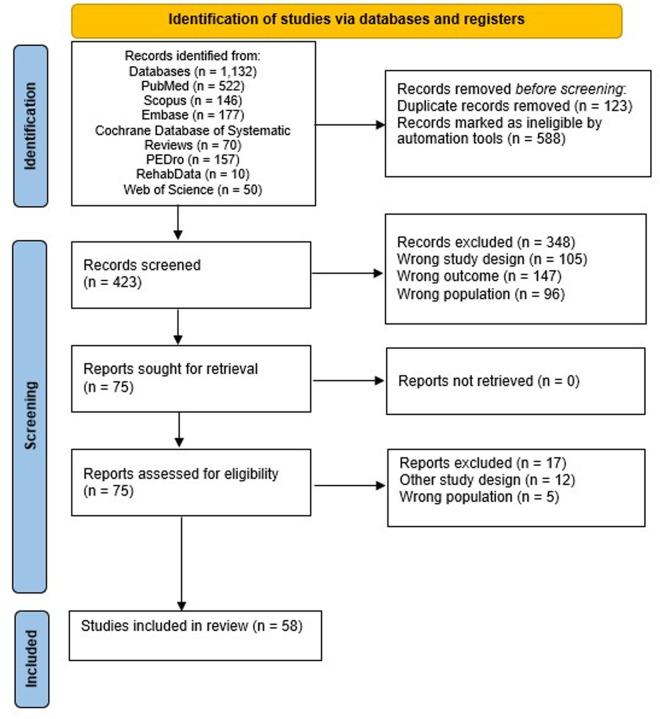
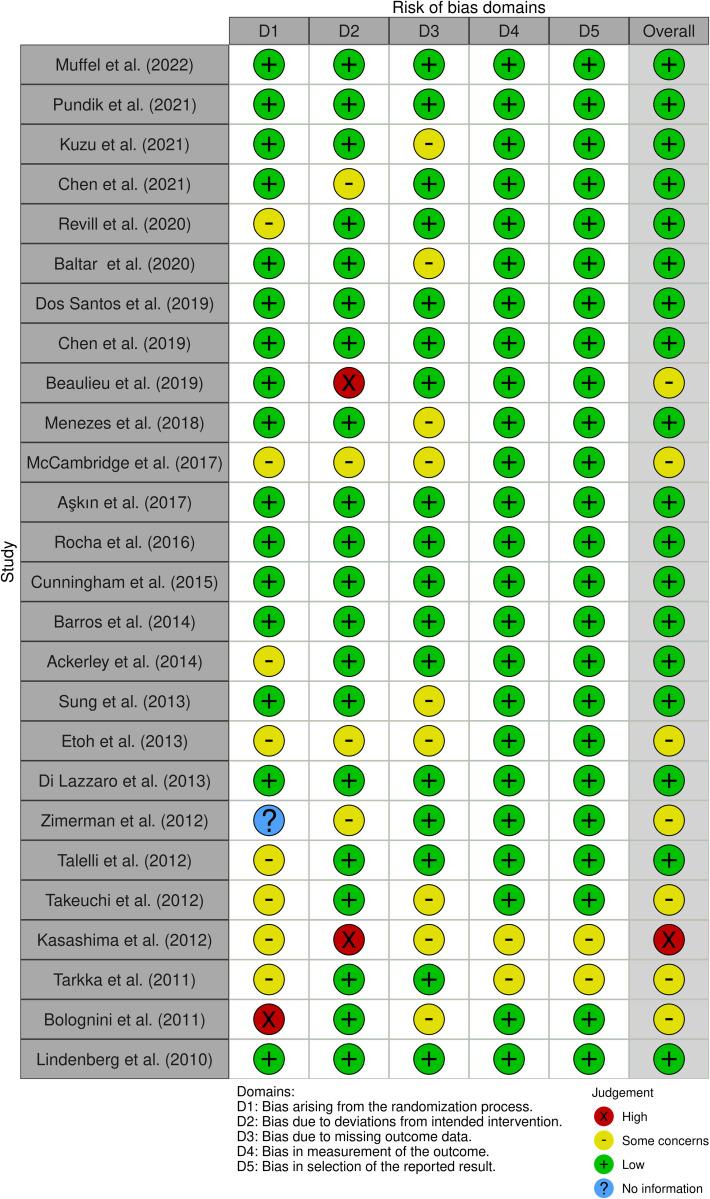
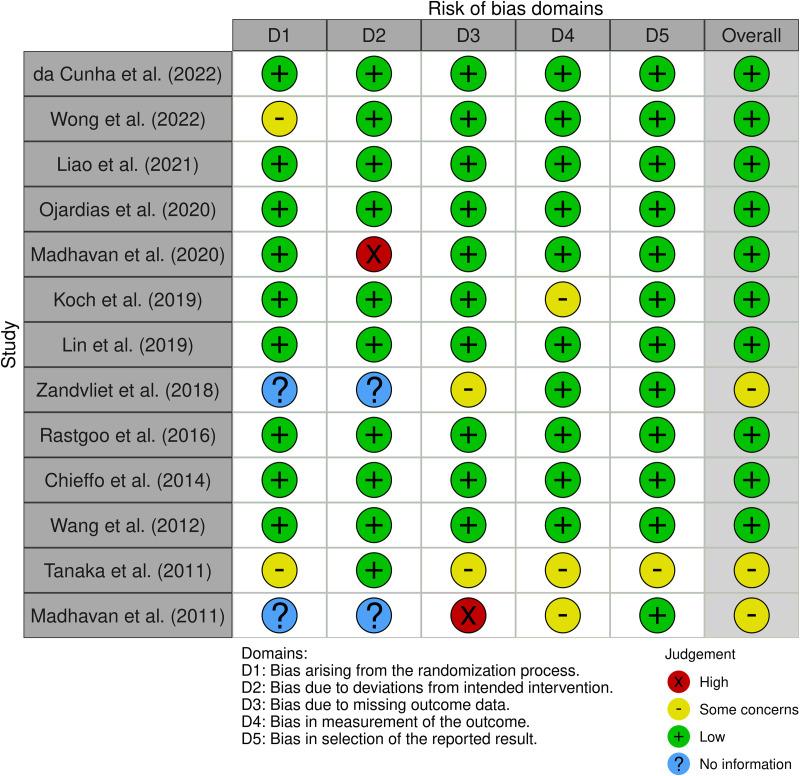
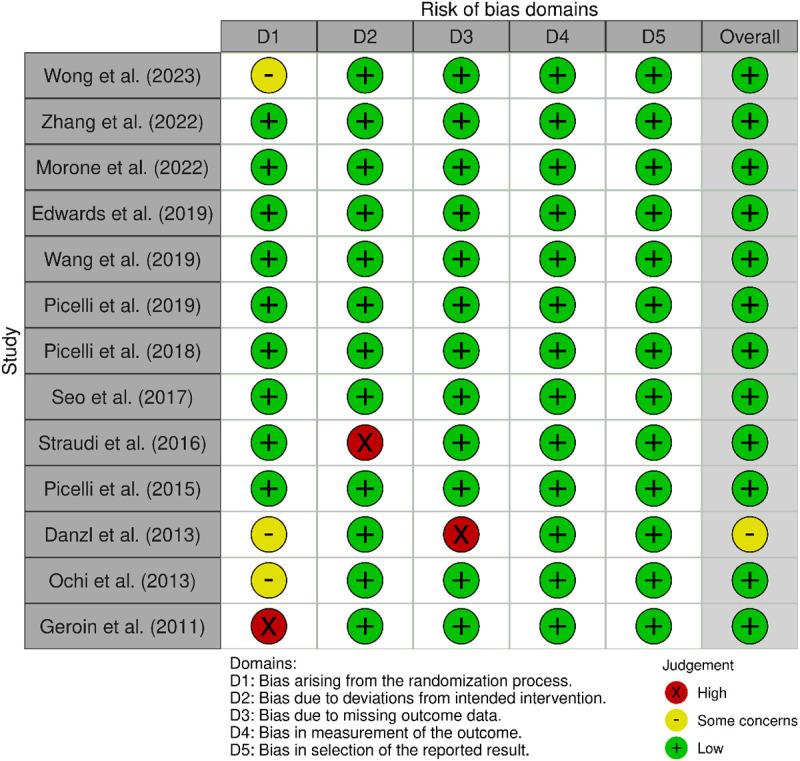
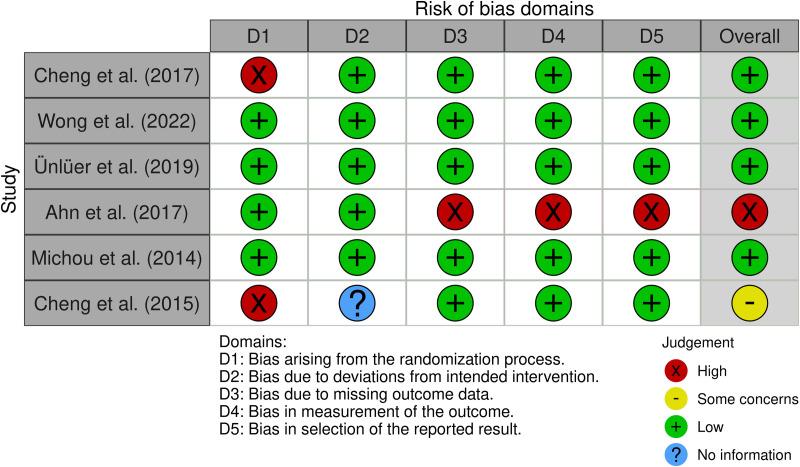
A systematic search was conducted for all peer-reviewed articles published from January 2010 through September 2023, using the following databases: PubMed, Embase, Cochrane Database of Systematic Reviews, PEDro, RehabData, and Web of Science. This systematic review was performed following the recommendations of the Preferred Reporting Items for Systematic Reviews and Meta-Analyses (PRISMA) guidelines, with a registration number in the Prospective Register of Systematic Reviews (PROSPERO 2023) CRD42023458370. A total of 58 studies were included in the qualitative synthesis: 27 focused on upper limb rehabilitation, 13 on lower limb function, 13 on the combination of NIBS and robotic therapy, and 6 on vocal or swallowing functions. Most studies (78%) were randomized controlled trials. Among the NIBS techniques, tDCS showed stronger evidence for gait and balance recovery, while rTMS appeared more effective for upper limb function. Overall, the majority of studies presented a low risk of bias, although methodological issues such as inadequate randomization or blinding affected the reliability of some findings.
CONCLUSION
We have systematically reviewed the literature on the use of NIBS to enhance motor outcomes (upper limb, lower limb, and vocal/swallowing functions) in individuals with chronic stroke. Findings indicate that rTMS demonstrates greater efficacy in improving upper limb motor function, whereas tDCS appears to be more effective in enhancing gait and balance recover.
引言
非侵入性脑刺激(NIBS)通过增强神经可塑性和重组脑网络来促进功能恢复。据推测,经颅磁刺激(TMS)、重复经颅磁刺激(rTMS)或间歇性θ爆发刺激(i-TBS)以及经颅直流电刺激(tDCS)可通过磁刺激或电刺激直接作用于脑区,调节突触连接。本系统评价旨在解决缺乏针对NIBS技术(包括tDCS、rTMS和i-TBS)对慢性卒中患者不同运动领域(上肢、下肢以及发声/吞咽功能)比较有效性的全面综合研究的问题。
证据获取
对2010年1月至2023年9月发表的所有同行评审文章进行了系统检索,使用了以下数据库:PubMed、Embase、Cochrane系统评价数据库、PEDro、RehabData和Web of Science。本系统评价按照系统评价和Meta分析的首选报告项目(PRISMA)指南的建议进行,在系统评价前瞻性注册库(PROSPERO 2023)中的注册号为CRD42023458370。共有58项研究纳入定性综合分析:27项聚焦于上肢康复,13项关注下肢功能,13项关注NIBS与机器人治疗的联合应用,6项关注发声或吞咽功能。大多数研究(78%)为随机对照试验。在NIBS技术中,tDCS在步态和平衡恢复方面显示出更强的证据,而rTMS在上肢功能方面似乎更有效。总体而言,尽管随机化或盲法不足等方法学问题影响了一些研究结果的可靠性,但大多数研究的偏倚风险较低。
结论
我们系统回顾了关于使用NIBS改善慢性卒中患者运动结局(上肢、下肢以及发声/吞咽功能)的文献。研究结果表明,rTMS在改善上肢运动功能方面显示出更大的疗效,而tDCS在增强步态和平衡恢复方面似乎更有效。
 Zotero 插件