
光生物调节疗法可减轻氧化应激和炎症,以缓解阿霉素对人干细胞衍生的心室心肌细胞的心脏毒性作用。
Photobiomodulation Therapy Reduces Oxidative Stress and Inflammation to Alleviate the Cardiotoxic Effects of Doxorubicin in Human Stem Cell-Derived Ventricular Cardiomyocytes.
作者信息
Nasuk Guilherme Rabelo, de Matos Leonardo Paroche, Atum Allan Luís Barboza, de Jesus Bruna Calixto, Batista Julio Gustavo Cardoso, da Silva Gabriel Almeida, Martins Antonio Henrique, Trivelin Maria Laura Alchorne, Duran Cinthya Cosme Gutierrez, de Oliveira Ana Paula Ligeiro, Prates Renato de Araújo, Marcos Rodrigo Labat, Zamuner Stella Regina, Baltatu Ovidiu Constantin, Silva José Antônio
机构信息
Biophotonics-Medicine Postgraduate Program, Universidade Nove de Julho (UNINOVE), São Paulo 01504-001, Brazil.
Medicine Postgraduate Program, Universidade Nove de Julho (UNINOVE), São Paulo 01504-001, Brazil.
出版信息
Biomedicines. 2025 Jul 21;13(7):1781. doi: 10.3390/biomedicines13071781.
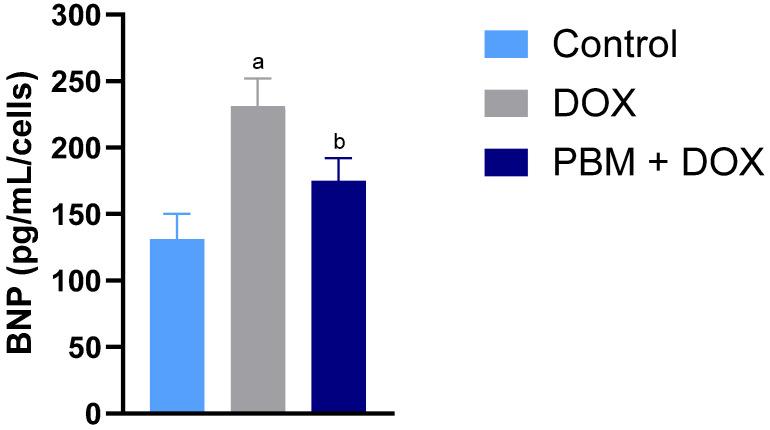
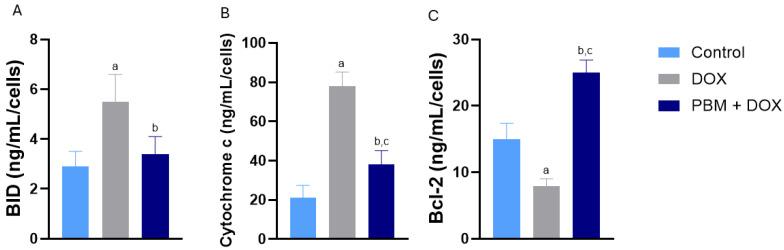
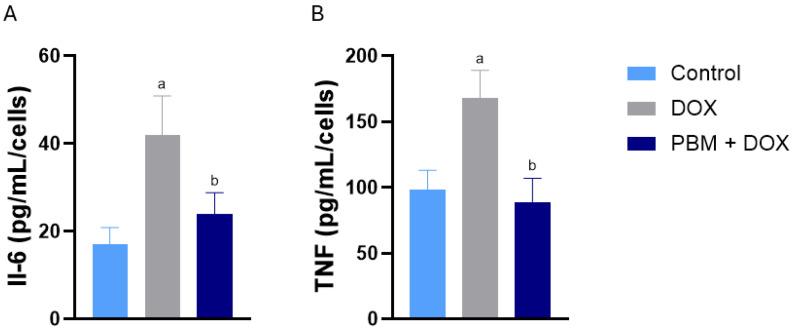
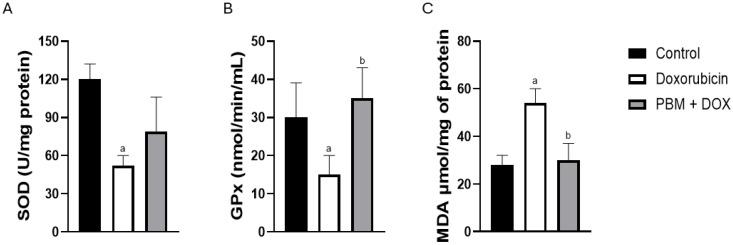
Doxorubicin (DOX), a widely used anthracycline chemotherapeutic agent, is recognized for its efficacy in treating various malignancies. However, its clinical application is critically limited due to dose-dependent cardiotoxicity, predominantly induced by oxidative stress and compromised antioxidant defenses. Photobiomodulation (PBM), a non-invasive intervention that utilizes low-intensity light, has emerged as a promising therapeutic modality in regenerative medicine, demonstrating benefits such as enhanced tissue repair, reduced inflammation, and protection against oxidative damage. This investigation sought to evaluate the cardioprotective effects of PBM preconditioning in human-induced pluripotent stem cell-derived ventricular cardiomyocytes (hiPSC-vCMs) subjected to DOX-induced toxicity. Human iPSC-vCMs were allocated into three experimental groups: control cells (untreated), DOX-treated cells (exposed to 2 μM DOX for 24 h), and PBM+DOX-treated cells (preconditioned with PBM, utilizing 660 nm ±10 nm LED light at an intensity of 10 mW/cm for 500 s, delivering an energy dose of 5 J/cm, followed by DOX exposure). Cell viability assessments were conducted in conjunction with evaluations of oxidative stress markers, including antioxidant enzyme activities and malondialdehyde (MDA) levels. Furthermore, transcriptional profiling of 40 genes implicated in cardiac dysfunction was performed using TaqMan quantitative polymerase chain reaction (qPCR), complemented by analyses of protein expression for markers of cardiac stress, inflammation, and apoptosis. Exposure to DOX markedly reduced the viability of hiPSC-vCMs. The cells exhibited significant alterations in the expression of 32 out of 40 genes (80%) after DOX exposure, reflecting the upregulation of markers associated with apoptosis, inflammation, and adverse cardiac remodeling. PBM preconditioning partially restored the cell viability, modulating the expression of 20 genes (50%), effectively counteracting a substantial proportion of the dysregulation induced by DOX. Notably, PBM enhanced the expression of genes responsible for antioxidant defense, augmented antioxidant enzyme activity, and reduced oxidative stress indicators such as MDA levels. Additional benefits included downregulating stress-related mRNA markers ( and ) and apoptotic markers ( and ). PBM also demonstrated gene reprogramming effects in ventricular cells, encompassing regulatory changes in and . PBM reduced the protein expression levels of IL-6, TNF, and apoptotic markers in alignment with their corresponding mRNA expression profiles. Notably, PBM preconditioning showed a diminished expression of BNP, emphasizing its positive impact on mitigating cardiac stress. This study demonstrates that PBM preconditioning is an effective strategy for reducing DOX-induced chemotherapy-related cardiotoxicity by enhancing cell viability and modulating signaling pathways associated with oxidative stress, as well as inflammatory and hypertrophic markers.
多柔比星(DOX)是一种广泛使用的蒽环类化疗药物,因其在治疗各种恶性肿瘤方面的疗效而闻名。然而,由于剂量依赖性心脏毒性,其临床应用受到严重限制,这种毒性主要由氧化应激和抗氧化防御受损引起。光生物调节(PBM)是一种利用低强度光的非侵入性干预措施,已成为再生医学中一种有前景的治疗方式,显示出增强组织修复、减轻炎症和防止氧化损伤等益处。本研究旨在评估PBM预处理对多柔比星诱导毒性的人诱导多能干细胞衍生心室心肌细胞(hiPSC-vCMs)的心脏保护作用。将人iPSC-vCMs分为三个实验组:对照细胞(未处理)、DOX处理细胞(暴露于2 μM DOX 24小时)和PBM + DOX处理细胞(先用PBM预处理,使用660 nm±10 nm的LED光,强度为10 mW/cm²,照射500秒,能量剂量为5 J/cm²,然后进行DOX暴露)。结合氧化应激标志物评估进行细胞活力评估,包括抗氧化酶活性和丙二醛(MDA)水平。此外,使用TaqMan定量聚合酶链反应(qPCR)对40个与心脏功能障碍相关的基因进行转录谱分析,并辅以对心脏应激、炎症和凋亡标志物的蛋白质表达分析。暴露于DOX显著降低了hiPSC-vCMs的活力。DOX暴露后,40个基因中有32个(80%)的表达出现显著变化,反映了与凋亡、炎症和不良心脏重塑相关标志物的上调。PBM预处理部分恢复了细胞活力,调节了20个基因(50%)的表达,有效抵消了DOX诱导的大部分失调。值得注意的是,PBM增强了负责抗氧化防御的基因的表达,提高了抗氧化酶活性,并降低了MDA水平等氧化应激指标。其他益处包括下调与应激相关的mRNA标志物(和)以及凋亡标志物(和)。PBM还在心室细胞中显示出基因重编程作用,包括和的调节变化。PBM降低了IL-6、TNF和凋亡标志物的蛋白质表达水平,与它们相应的mRNA表达谱一致。值得注意的是,PBM预处理显示BNP表达降低,强调了其对减轻心脏应激的积极影响。本研究表明,PBM预处理是一种有效的策略,可通过增强细胞活力和调节与氧化应激以及炎症和肥大标志物相关的信号通路来降低DOX诱导的化疗相关心脏毒性。

 Zotero 插件