
蛋氨酸限制对大鼠脑和肝脏碱基切除修复途径中基因的表达有不同的调节作用。
Methionine Restriction Differentially Modulates Expression of Genes in the Base Excision Repair Pathway in Rat Brain and Liver.
作者信息
Gredilla Ricardo, Lopez-Torres Monica, Sanchez-Roman Ines
机构信息
Department of Physiology, Faculty of Medicine, Complutense University of Madrid (UCM), 28040 Madrid, Spain.
Department of Genetics, Physiology and Microbiology, Faculty of Biological Sciences, Complutense University of Madrid (UCM), 28040 Madrid, Spain.
出版信息
Biomolecules. 2025 Jul 5;15(7):969. doi: 10.3390/biom15070969.
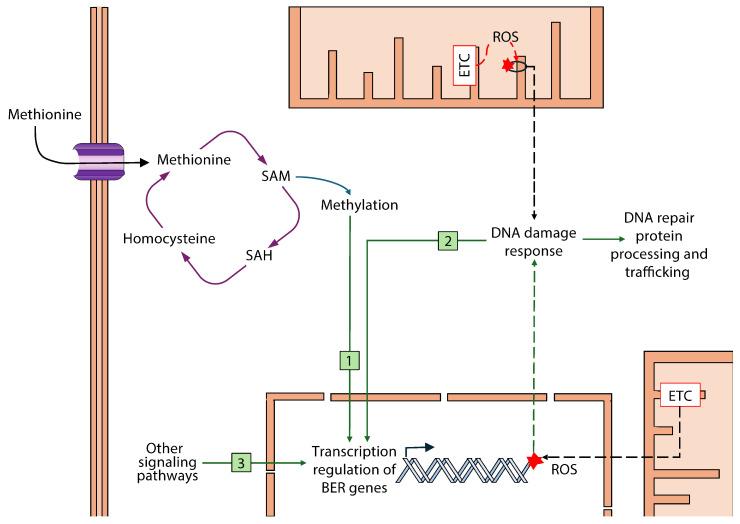
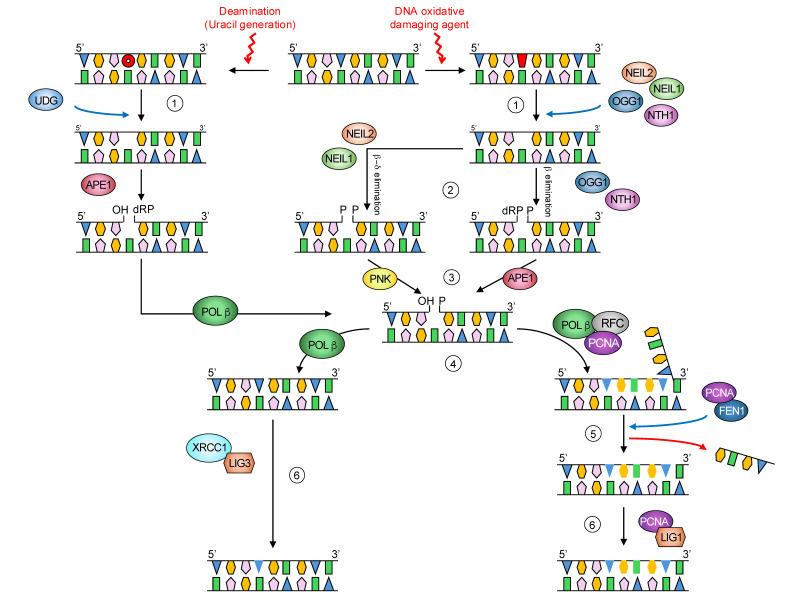
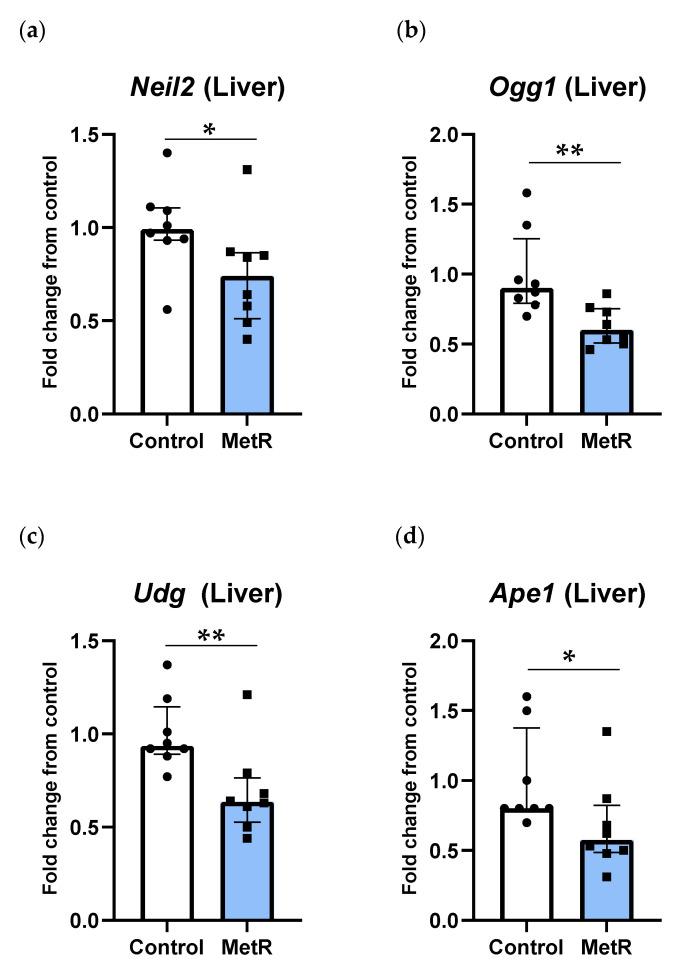
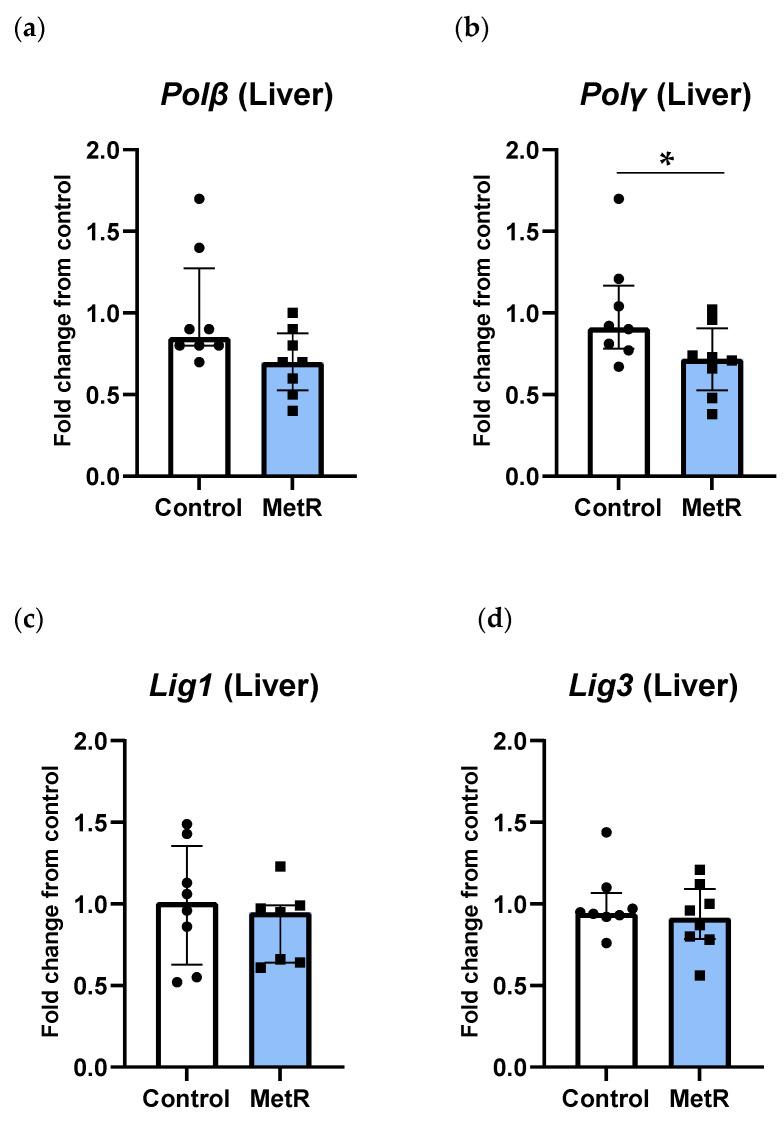
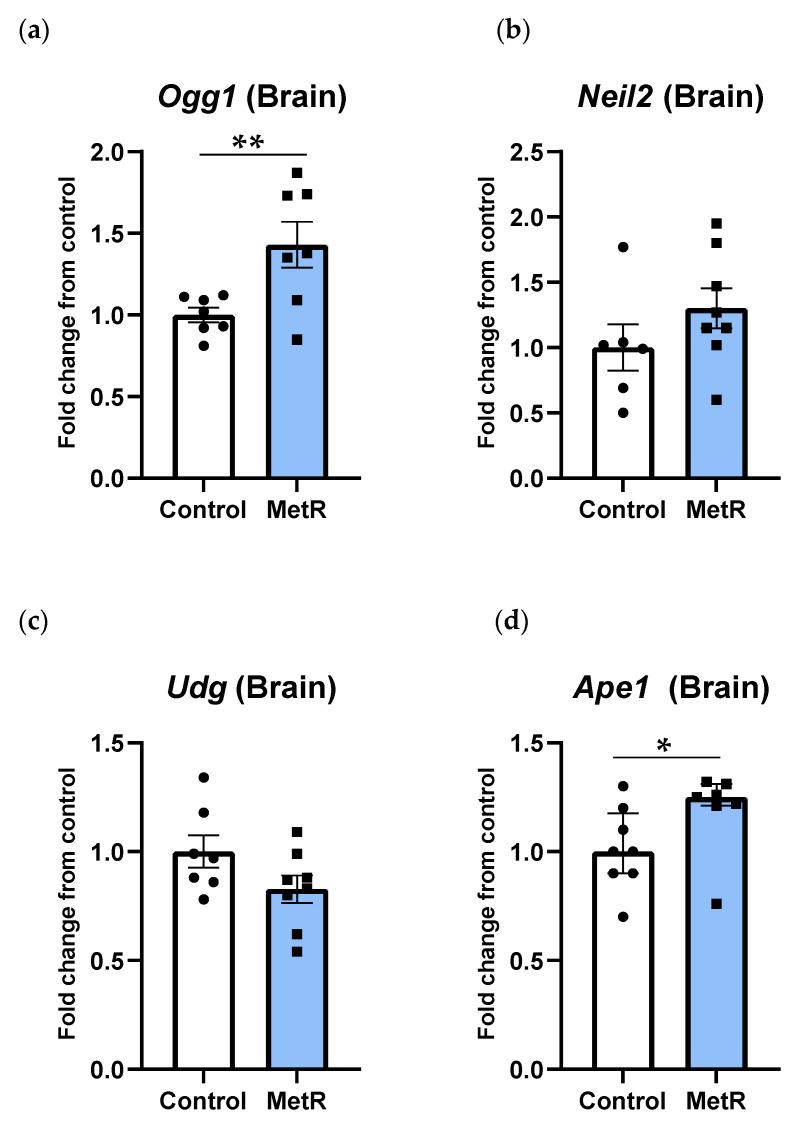
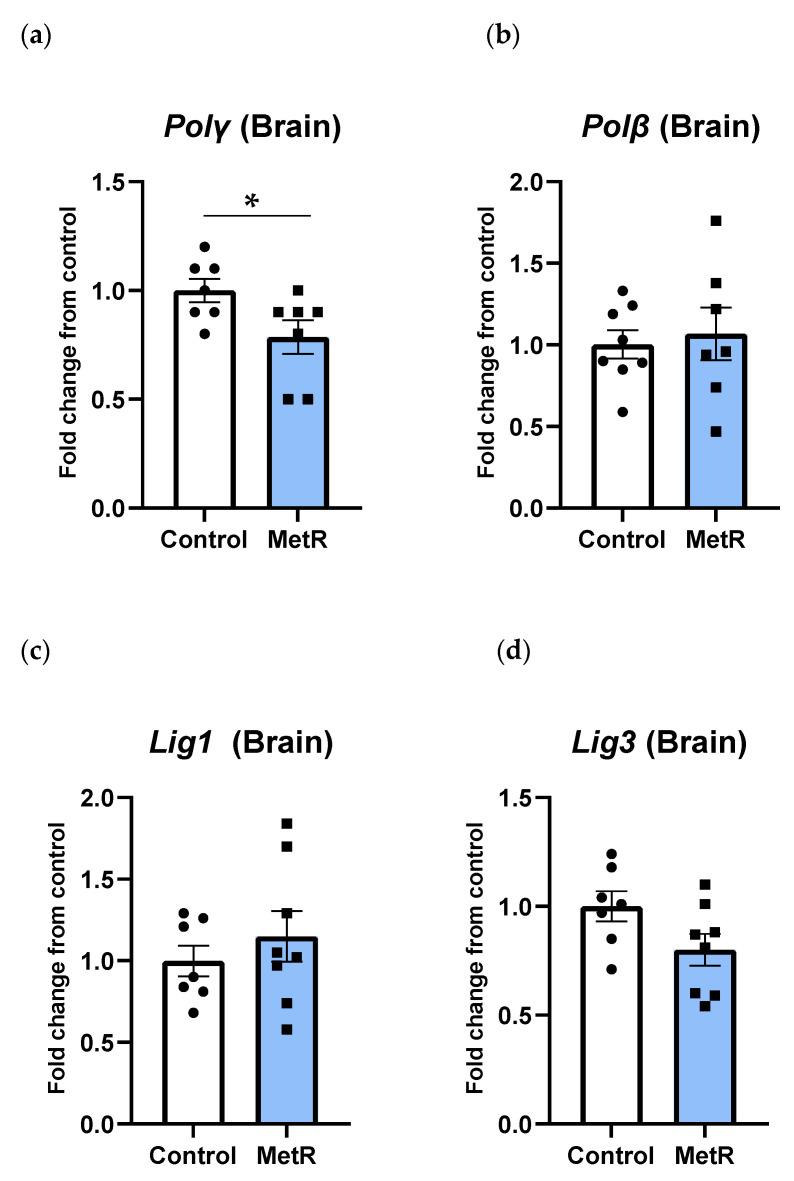
Methionine restriction (MetR) is a dietary intervention that extends mean and maximum life span in rodents, at least in part, by reducing oxidative stress and promoting DNA stability in different tissues. Regarding DNA stability, DNA repair pathways play a critical role, both in the nuclear and mitochondrial fractions. Base excision repair (BER) is the main one involved in the repair of oxidative damage, as well as the main one in mitochondria. Despite the relevance of DNA repair in DNA maintenance, it is not known whether MetR regulates BER as a mechanism of preserving genomic stability. In this study we analyzed, for the first time, the effect of 40% MetR for 7 weeks on BER in rat brain cortex and liver, focusing on the expression of several key BER genes. In the brain cortex, MetR significantly increased the gene expression of the DNA glycosylase and the DNA endonuclease while reducing DNA gene expression. Conversely, MetR led to a general reduction in the expression of BER genes in the liver. Our findings highlight a tissue-specific regulation of the BER gene expression in response to MetR. Different potential mechanisms underlying these changes in BER, such as DNA methylation or activation of signaling pathways, are discussed.
蛋氨酸限制(MetR)是一种饮食干预措施,至少部分通过降低氧化应激和促进不同组织中的DNA稳定性来延长啮齿动物的平均寿命和最大寿命。关于DNA稳定性,DNA修复途径在细胞核和线粒体部分都起着关键作用。碱基切除修复(BER)是参与氧化损伤修复的主要途径,也是线粒体中的主要途径。尽管DNA修复在DNA维持中具有重要意义,但尚不清楚MetR是否通过调节BER作为维持基因组稳定性的机制。在本研究中,我们首次分析了40%蛋氨酸限制7周对大鼠大脑皮层和肝脏中BER的影响,重点关注几个关键BER基因的表达。在大脑皮层中,蛋氨酸限制显著增加了DNA糖基化酶和DNA内切酶的基因表达,同时降低了DNA基因的表达。相反,蛋氨酸限制导致肝脏中BER基因的表达普遍降低。我们的研究结果突出了蛋氨酸限制对BER基因表达的组织特异性调节。文中还讨论了这些BER变化背后不同的潜在机制,如DNA甲基化或信号通路的激活。

 Zotero 插件