
用于治疗分枝杆菌感染的脂质体包封抗生素
Liposome-Encapsulated Antibiotics for the Therapy of Mycobacterial Infections.
作者信息
Yıldırım Metin, Düzgüneş Nejat
机构信息
Department of Biochemistry, Faculty of Pharmacy, Harran University, Şanlıurfa 63000, Türkiye.
Department of Biomedical Sciences, Arthur A. Dugoni School of Dentistry, University of the Pacific, 155 Fifth Street, Francisco, CA 94103, USA.
出版信息
Antibiotics (Basel). 2025 Jul 20;14(7):728. doi: 10.3390/antibiotics14070728.
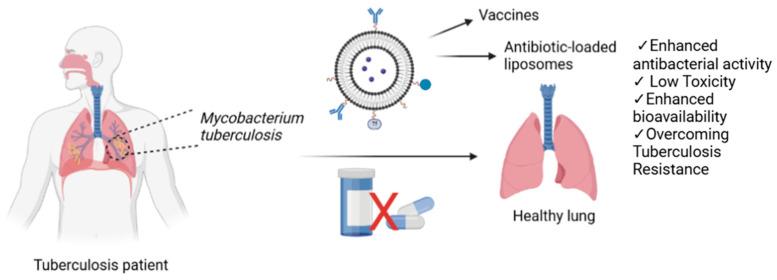
About a quarter of the world's population is infected with . Growing antibiotic resistance by this microorganism is a major problem in the therapy of the disease. that emerged as a major opportunistic infection of HIV/AIDS continues to afflict immunocompromised individuals. We describe the use of liposome-encapsulated antibiotics in the experimental and clinical therapy of mycobacterial infections, as well as recent experimental liposomal vaccines against tuberculosis. Liposome-mediated intravenous or inhalational delivery of antibiotics enhances the antibacterial effects of the drugs, particularly for infections of resident macrophages, where the liposomes are passively targeted. Despite experimental successes of liposomal antibiotics in the treatment of mycobacterial and other bacterial infections, applications of this method to the clinic have been lagging. This review underscores the significance of liposomes in the treatment of mycobacterial infections, encompassing their synthesis methods, limitations, and both preclinical and clinical studies, providing guidance for the development of future therapeutic approaches and innovative antimicrobial strategies.
世界上约四分之一的人口感染了[具体微生物名称未给出]。这种微生物对抗生素的耐药性不断增强是该疾病治疗中的一个主要问题。作为艾滋病毒/艾滋病的一种主要机会性感染而出现的[具体疾病名称未给出],继续折磨着免疫功能低下的个体。我们描述了脂质体包裹抗生素在分枝杆菌感染的实验和临床治疗中的应用,以及最近针对结核病的实验性脂质体疫苗。脂质体介导的抗生素静脉注射或吸入给药可增强药物的抗菌效果,特别是对于驻留巨噬细胞感染,脂质体在其中被被动靶向。尽管脂质体抗生素在治疗分枝杆菌和其他细菌感染方面取得了实验成功,但该方法在临床上的应用一直滞后。本综述强调了脂质体在治疗分枝杆菌感染中的重要性,包括其合成方法、局限性以及临床前和临床研究,为未来治疗方法的开发和创新抗菌策略提供指导。

 Zotero 插件