
冷休克蛋白平衡分枝杆菌中与生物膜相关的抗生素耐药性和氧化易感性。
Cold Shock Proteins Balance Biofilm-Associated Antibiotic Resistance and Oxidative Vulnerability in Mycobacteria.
作者信息
Zheng Jiachen, He Linzhao, Wei Yizhang, Lu Jie, Liu Xiaolin, Li Weihui
机构信息
State Key Laboratory for Conservation and Utilization of Subtropical Agro-Bioresources, College of Life Science and Technology, Guangxi University, Nanning 530004, China.
出版信息
Microorganisms. 2025 Jul 7;13(7):1597. doi: 10.3390/microorganisms13071597.
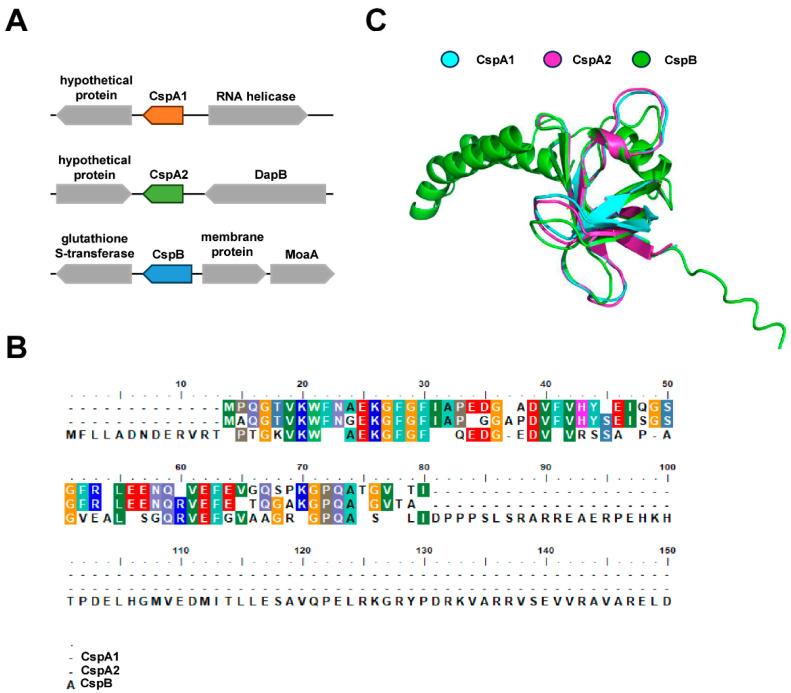
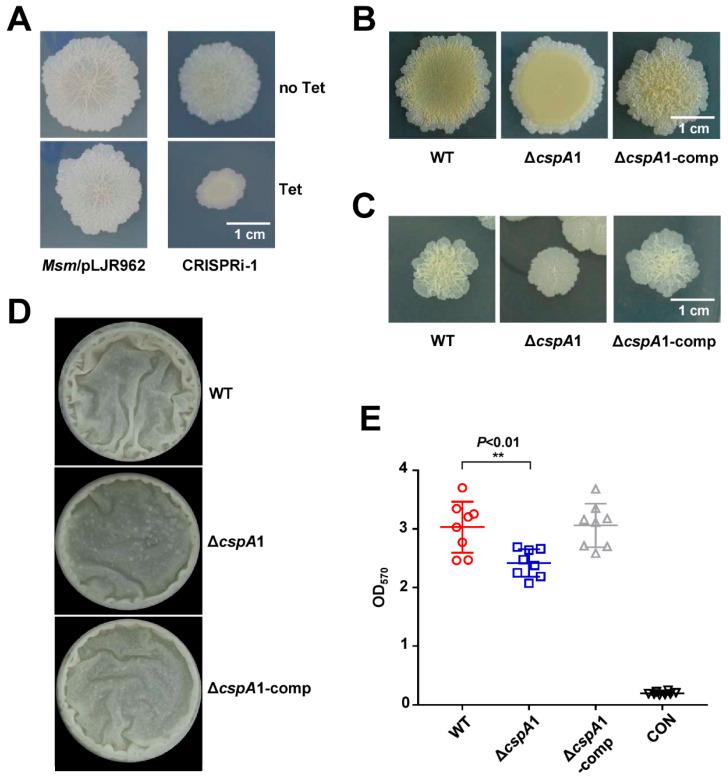
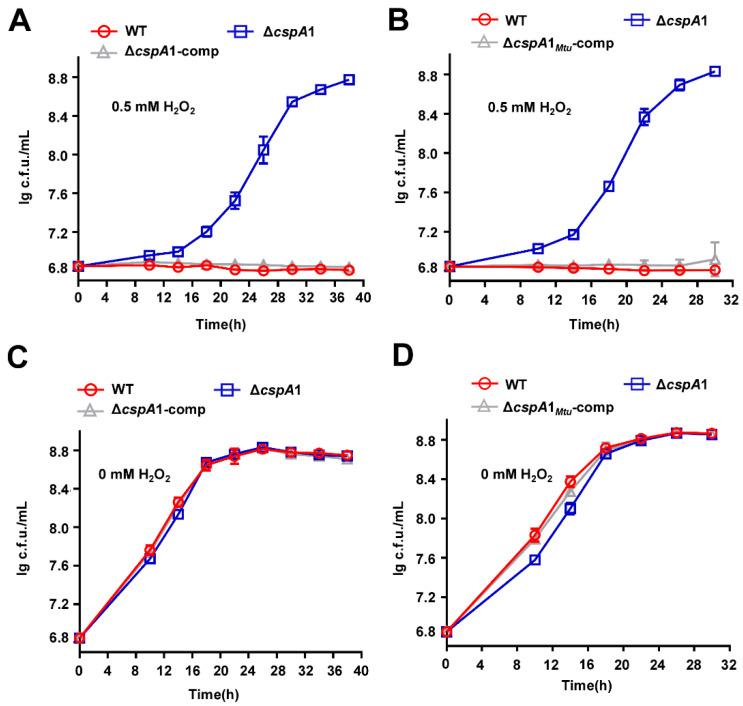
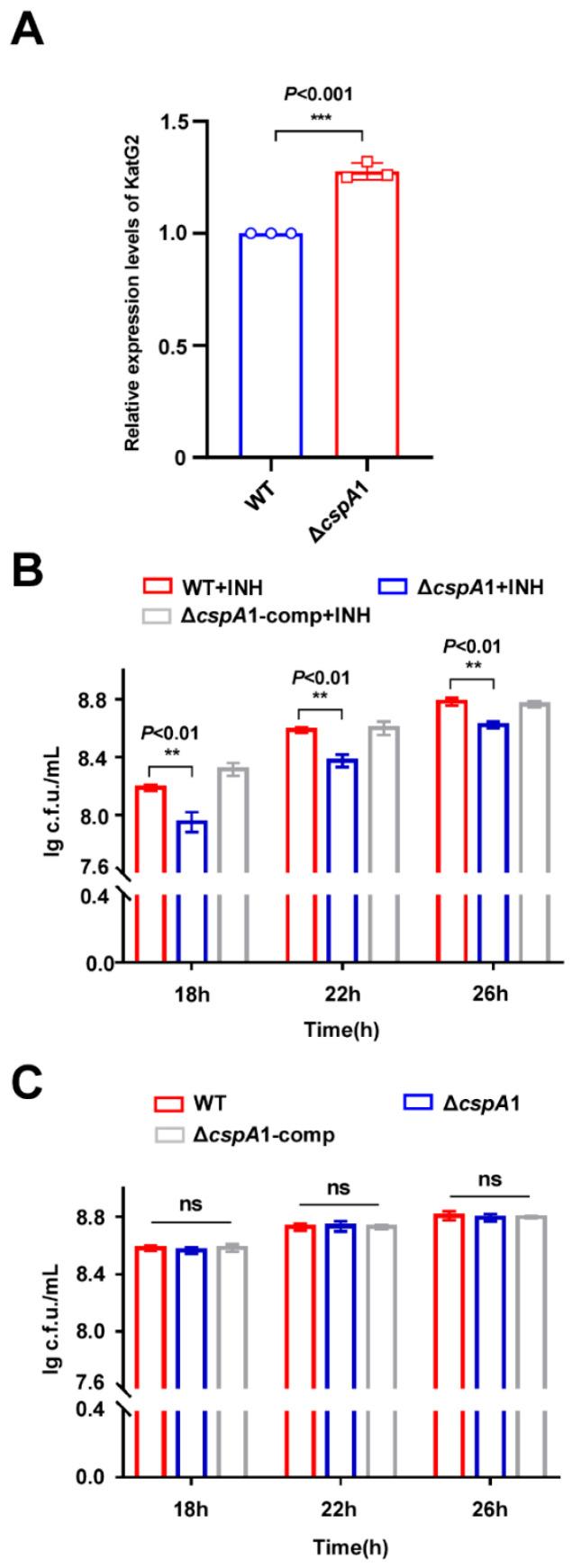
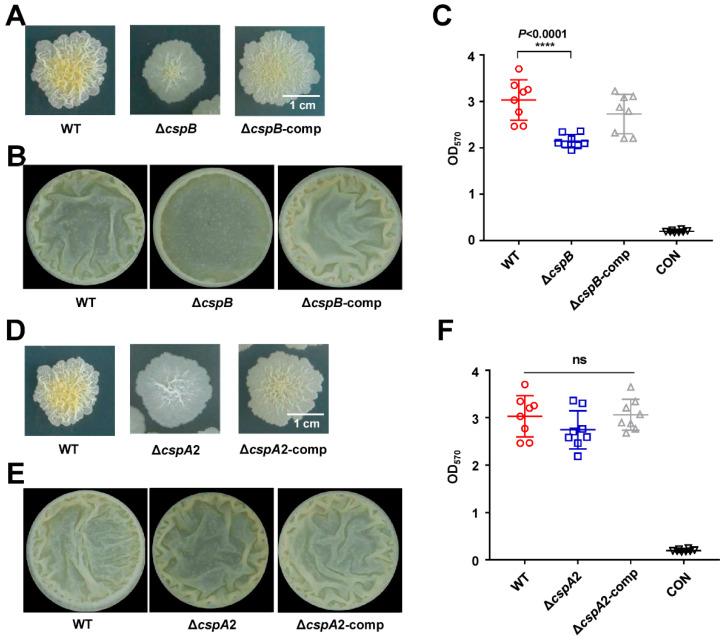
Cold Shock Proteins (Csps) are multifunctional regulators critical for bacterial stress adaptation. While Csps are known to regulate biofilm formation and low-temperature growth in some species, their roles in mycobacteria remain unclear. Here, we explored the functions of three Csps (CspA1, CspA2, and CspB) in . We found that CspA1 promotes biofilm formation and isoniazid (INH) resistance but negatively affects oxidative stress resistance. In contrast, CspB promotes biofilm formation, whereas CspA2 appears functionally redundant in this process. Notably, CspB and CspA2 do not contribute redundantly to oxidative stress resistance. Proteomic analysis revealed that CspA1 significantly modulates the expression of key metabolic and stress-response proteins, including WhiB3 and KatG. Our findings establish CspA1 as a key regulatory factor in mycobacteria, linking metabolic adaptation to biofilm-associated drug resistance and oxidative defense.
冷休克蛋白(Csps)是细菌应激适应过程中至关重要的多功能调节因子。虽然已知Csps在某些物种中可调节生物膜形成和低温生长,但其在分枝杆菌中的作用仍不清楚。在此,我们探究了三种Csps(CspA1、CspA2和CspB)在[具体分枝杆菌]中的功能。我们发现CspA1促进生物膜形成和对异烟肼(INH)的耐药性,但对氧化应激抗性有负面影响。相比之下,CspB促进生物膜形成,而CspA2在此过程中似乎功能冗余。值得注意的是,CspB和CspA2对氧化应激抗性并非冗余作用。蛋白质组学分析表明,CspA1显著调节关键代谢和应激反应蛋白的表达,包括WhiB3和KatG。我们的研究结果确立了CspA1作为分枝杆菌中的关键调节因子,将代谢适应与生物膜相关的耐药性和氧化防御联系起来。

 Zotero 插件