
模拟新冠病毒传播:年龄结构和疫苗接种的影响。
Modeling COVID-19 transmission: effects of age structure and vaccination.
作者信息
Ali Sajjad, Boulaaras Salah, Ali Nigar, Ahmad Imtiaz, Khan Asaf, Ullah Zahid
机构信息
Department of Mathematics, University of Malakand, Chakdara, Dir Lower, Khyber Pakhtunkhwa, Pakistan.
Department of Mathematics, College of Science, Qassim University, Buraydah, 52571, Saudi Arabia.
出版信息
Sci Rep. 2025 Jul 30;15(1):27804. doi: 10.1038/s41598-025-12946-z.
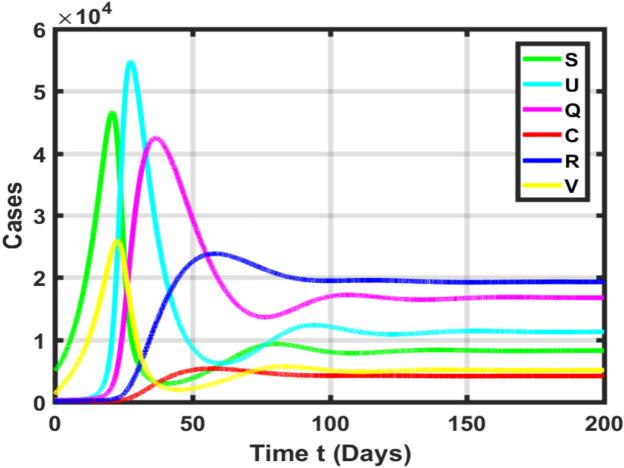
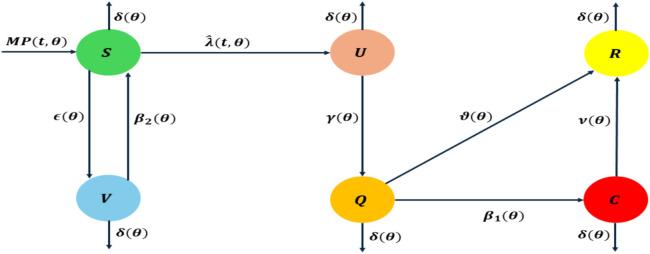
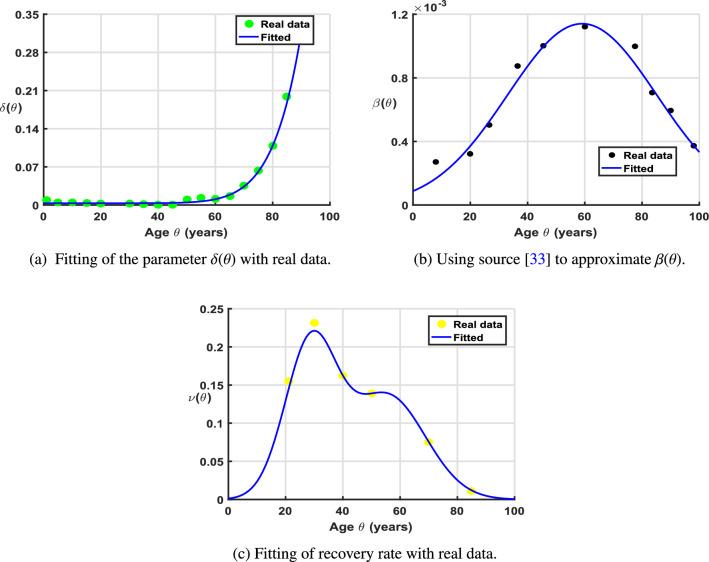
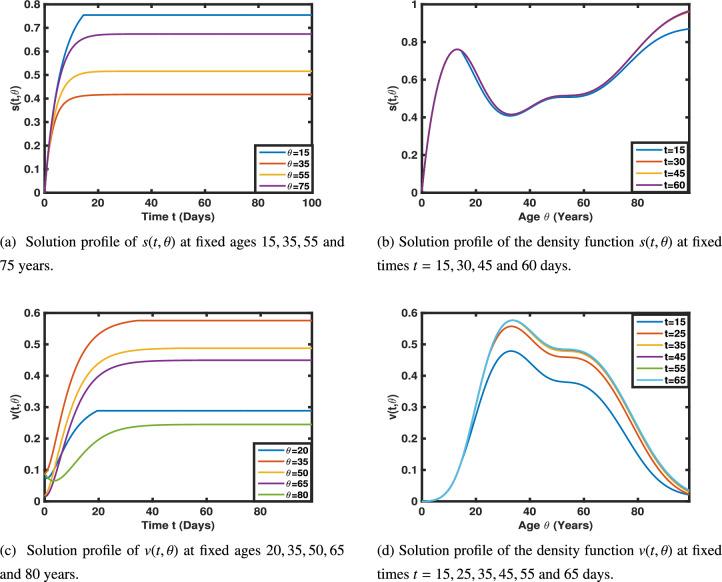
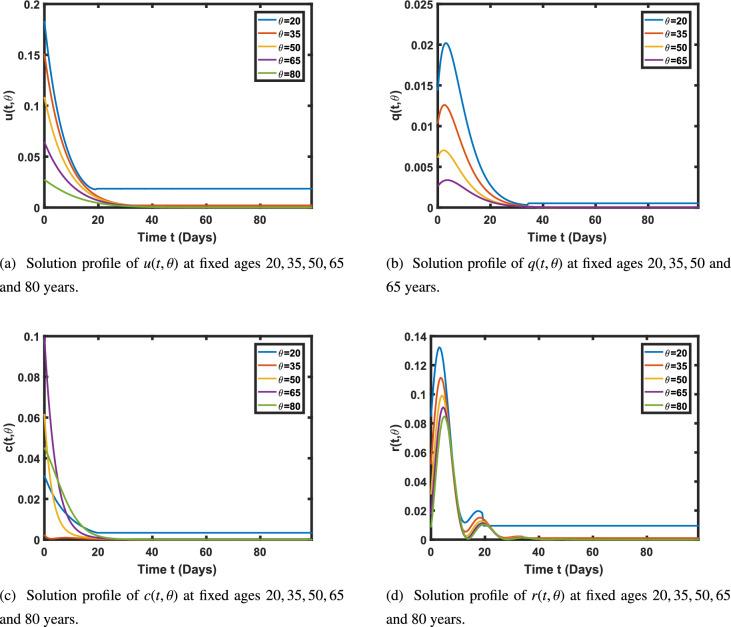
A mathematical model for COVID-19 dynamics is developed, incorporating age structure, disease progression, and vaccination. Addressing gaps in existing literature, the model integrates heterogeneous intercohort mixing for realistic disease transmission, with a primary focus on Pakistan and global applicability. Well-posedness is established via the abstract Cauchy problem framework. Threshold parameters and stability analysis identify conditions for disease persistence or eradication. An age-free sub-model gives additional insights. Numerical simulations using the finite differences method confirm analytical results. The study shows the crucial role of age structure and vaccination in controlling COVID-19. It provides a strong mathematical foundation for effective public health strategies.
建立了一个新冠肺炎动态数学模型,该模型纳入了年龄结构、疾病进展和疫苗接种情况。针对现有文献中的空白,该模型整合了不同队列之间的异质性混合以实现现实的疾病传播,主要关注巴基斯坦以及全球适用性。通过抽象柯西问题框架建立了适定性。阈值参数和稳定性分析确定了疾病持续或根除的条件。一个无年龄的子模型提供了更多见解。使用有限差分法进行的数值模拟证实了分析结果。该研究表明年龄结构和疫苗接种在控制新冠肺炎方面的关键作用。它为有效的公共卫生策略提供了坚实的数学基础。

 Zotero 插件