
绘制囊性纤维化中的氧化图谱:方法前沿与应用
Mapping the oxidative landscape in cystic fibrosis: methodological frontiers and application.
作者信息
Rubin Michela, Artusi Ilaria, Cozza Giorgio
机构信息
Department of Molecular Medicine (DMM), University of Padua, Padua, Italy.
Department of Pharmaceuticals and Pharmacological Sciences (DSF), University of Padua, Padua, Italy.
出版信息
Front Pharmacol. 2025 Jul 16;16:1632924. doi: 10.3389/fphar.2025.1632924. eCollection 2025.
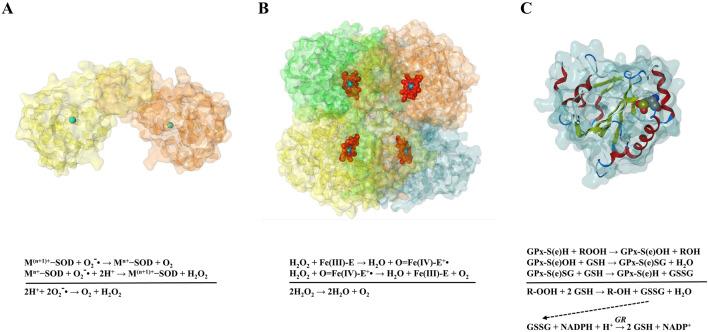
Cystic Fibrosis (CF), a multi-organ disease stemming from CFTR gene mutations, is characterized by progressive pulmonary disease, chronic inflammation, and a pro-oxidative environment. The intricate relationship between CFTR dysfunction, oxidative stress, and inflammation underscores the need to accurately characterize oxidative stress markers to identify therapeutic targets. This review compiles and analyzes methodologies employed in the CF field for this purpose, presenting selected applications and outcomes while highlighting potential inconsistencies due to experimental variations. The review encompasses a wide array of analytical techniques. These include methods for direct reactive oxygen species (ROS) detection (e.g., superoxide, hydrogen peroxide), characterization of oxidative damage to lipids (e.g., TBARS, F2-isoprostanes; lipidomics), proteins (e.g., carbonylation, S-nitrosylation, S-glutathionylation; proteomics), and DNA (e.g., 8-OHdG). Assays for major non-enzymatic antioxidants (glutathione, vitamins), enzymatic antioxidant systems (superoxide dismutase, catalase, glutathione peroxidase), and total antioxidant capacity (TAC) are detailed. Furthermore, methods to assess mitochondrial function for studying oxidative stress in CF are discussed. The critical choice of experimental models (, ) and biological samples (e.g., blood, sputum, BALF, EBC, cells), along with their specific considerations, are also integral to the review. Application of these diverse methodologies frequently reveals heightened oxidative stress and perturbed antioxidant defenses across various CF-relevant compartments, although results can be influenced by the specific model or technique utilized. Ultimately, this comprehensive analysis underscores the complexity of assessing oxidative stress in CF and strongly advocates for the implementation of integrated, multiparametric strategies. Such synergistic approaches, combining complementary methodologies, are crucial for a holistic understanding of redox dysregulation, facilitating the identification of reliable biomarkers, and guiding the development of more effective, targeted antioxidant therapies to improve clinical outcomes in CF.
囊性纤维化(CF)是一种由CFTR基因突变引起的多器官疾病,其特征为进行性肺部疾病、慢性炎症和促氧化环境。CFTR功能障碍、氧化应激和炎症之间的复杂关系凸显了准确表征氧化应激标志物以确定治疗靶点的必要性。本综述汇编并分析了CF领域为此目的所采用的方法,介绍了选定的应用和结果,同时强调了由于实验差异可能存在的不一致性。该综述涵盖了广泛的分析技术。这些技术包括直接检测活性氧(ROS)的方法(例如超氧化物、过氧化氢)、脂质氧化损伤的表征(例如硫代巴比妥酸反应物、F2-异前列腺素;脂质组学)、蛋白质氧化损伤的表征(例如羰基化、S-亚硝基化、S-谷胱甘肽化;蛋白质组学)以及DNA氧化损伤的表征(例如8-羟基脱氧鸟苷)。详细介绍了主要非酶抗氧化剂(谷胱甘肽、维生素)、酶抗氧化系统(超氧化物歧化酶、过氧化氢酶、谷胱甘肽过氧化物酶)和总抗氧化能力(TAC)的检测方法。此外,还讨论了用于研究CF氧化应激的线粒体功能评估方法。实验模型( , )和生物样本(例如血液、痰液、支气管肺泡灌洗液、呼出气冷凝物、细胞)的关键选择及其具体考虑因素也是本综述的重要组成部分。尽管结果可能会受到所使用的特定模型或技术的影响,但这些不同方法的应用经常揭示出在各种与CF相关的区域中氧化应激增强和抗氧化防御受到干扰。最终,这种全面分析强调了评估CF氧化应激的复杂性,并强烈主张实施综合的多参数策略。这种结合互补方法的协同方法对于全面理解氧化还原失调、促进可靠生物标志物的鉴定以及指导开发更有效、靶向性的抗氧化疗法以改善CF的临床结果至关重要。

 Zotero 插件