
OCT2基因变异对2型糖尿病患者二甲双胍疗效的影响:药物基因组学与药物相互作用的见解
Influence of OCT2 gene variants on metformin efficacy in type 2 diabetes: insights into pharmacogenomics and drug interactions.
作者信息
Hatmal Ma'mon M, Abuyaman Omar, Al-Hatamleh Mohammad A I, Tayyem Heba, Olaimat Amin N, Mussa Ali, Aolymat Iman, Abuawad Aymen, Odeh Mohanad, Qawaqzeh Rana
机构信息
Department of Medical Laboratory Sciences, Faculty of Applied Medical Sciences, The Hashemite University, P.O. Box 330127, Zarqa, 13133, Jordan.
Department of Pathology, School of Medicine, Stanford University, 300 Pasteur Drive, Stanford, CA, 94305, USA.
出版信息
J Transl Med. 2025 Aug 7;23(1):884. doi: 10.1186/s12967-025-06720-y.
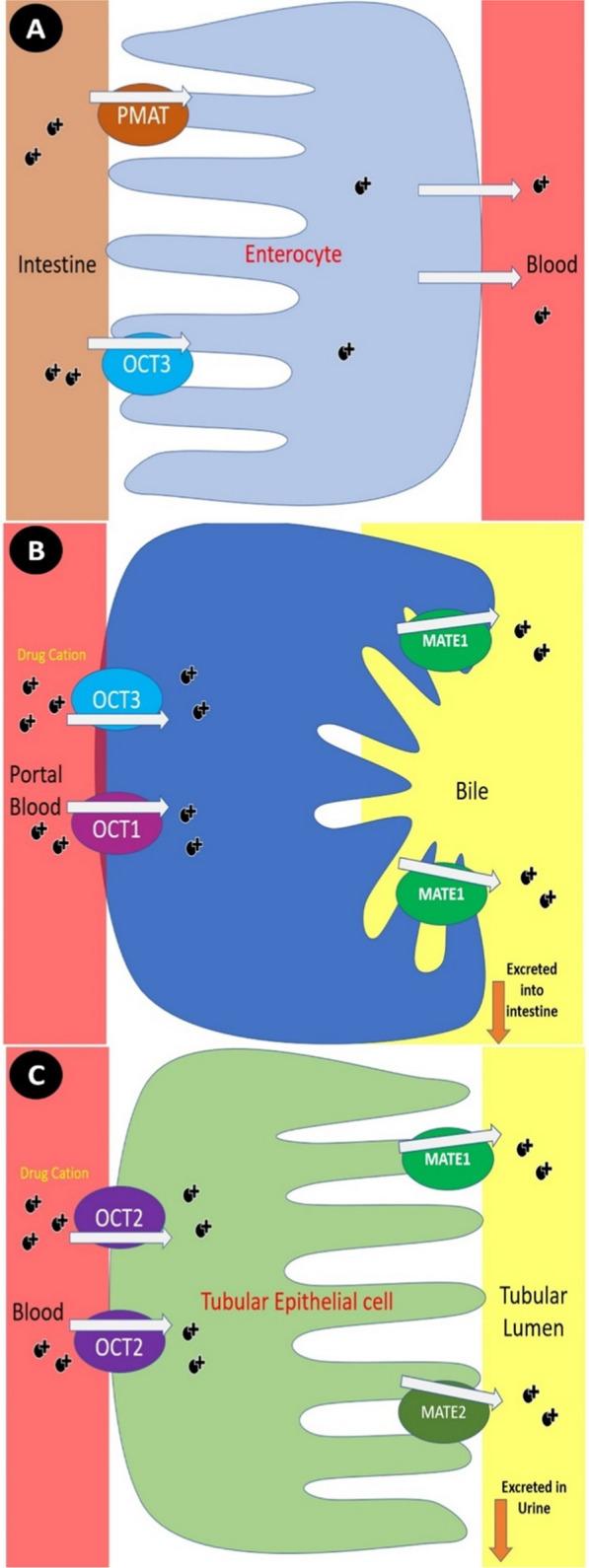
Metformin, a widely prescribed treatment for type 2 diabetes mellitus (T2DM), demonstrates significant inter-individual variability in its therapeutic response. This variability is potentially driven by genetic differences in drug transporters. Among these transporters, the organic cation transporter 2 (OCT2) plays a critical role in the pharmacokinetics of metformin by mediating its uptake into renal epithelial cells for excretion. This review explores the potential impact of genetic variations in OCT2 gene (SLC22A2) on the pharmacokinetics and pharmacodynamics of metformin. These genetic variations can alter metformin accumulation in the kidneys, impacting its overall clearance and therapeutic effectiveness. Furthermore, the interactions of metformin with other drugs, especially in T2DM patients, can compromise its pharmacokinetics. Thus, it is important to consider the influence of genetic variability and potential drug interactions when prescribing metformin. Incorporating genetic testing into clinical decision-making could help optimize dosing strategies and improve treatment outcomes, particularly when managing patients with complex comorbid conditions.
二甲双胍是一种广泛用于治疗2型糖尿病(T2DM)的药物,其治疗反应存在显著的个体间差异。这种差异可能由药物转运体的基因差异驱动。在这些转运体中,有机阳离子转运体2(OCT2)通过介导二甲双胍摄取进入肾上皮细胞进行排泄,在其药代动力学中起关键作用。本综述探讨了OCT2基因(SLC22A2)的基因变异对二甲双胍药代动力学和药效学的潜在影响。这些基因变异可改变二甲双胍在肾脏中的蓄积,影响其整体清除率和治疗效果。此外,二甲双胍与其他药物的相互作用,尤其是在T2DM患者中,可能会损害其药代动力学。因此,在开具二甲双胍处方时,考虑基因变异性和潜在药物相互作用的影响非常重要。将基因检测纳入临床决策有助于优化给药策略并改善治疗效果,特别是在管理患有复杂合并症的患者时。




 Zotero 插件