
死亡率趋同的空间趋势:1975 - 2019年法国、意大利和西班牙的案例
Spatial Trends in Mortality Convergence: The Cases of France, Italy, and Spain, 1975-2019.
作者信息
Martin Jacob, Camarda Carlo Giovanni, Riffe Timothy
机构信息
Universidad del País Vasco (UPV/EHU), Leioa, Spain.
Institut national d'études démographiques, Aubervilliers, France.
出版信息
Eur J Popul. 2025 Aug 13;41(1):21. doi: 10.1007/s10680-025-09745-7.
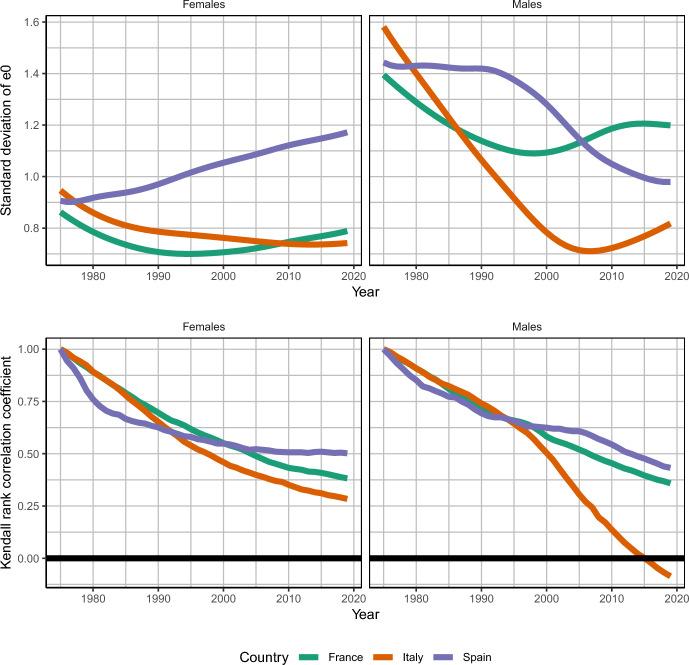
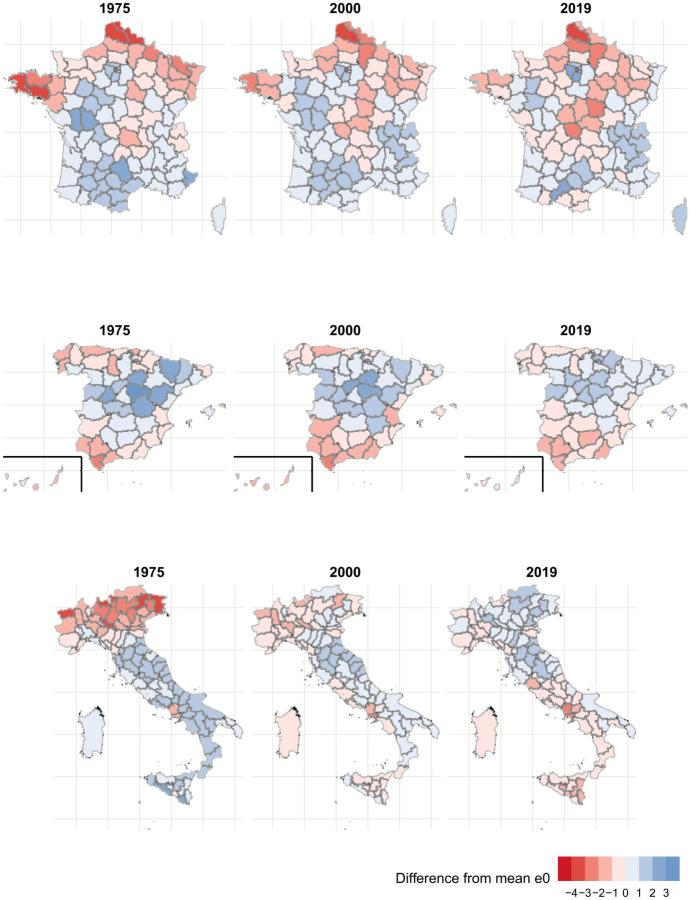
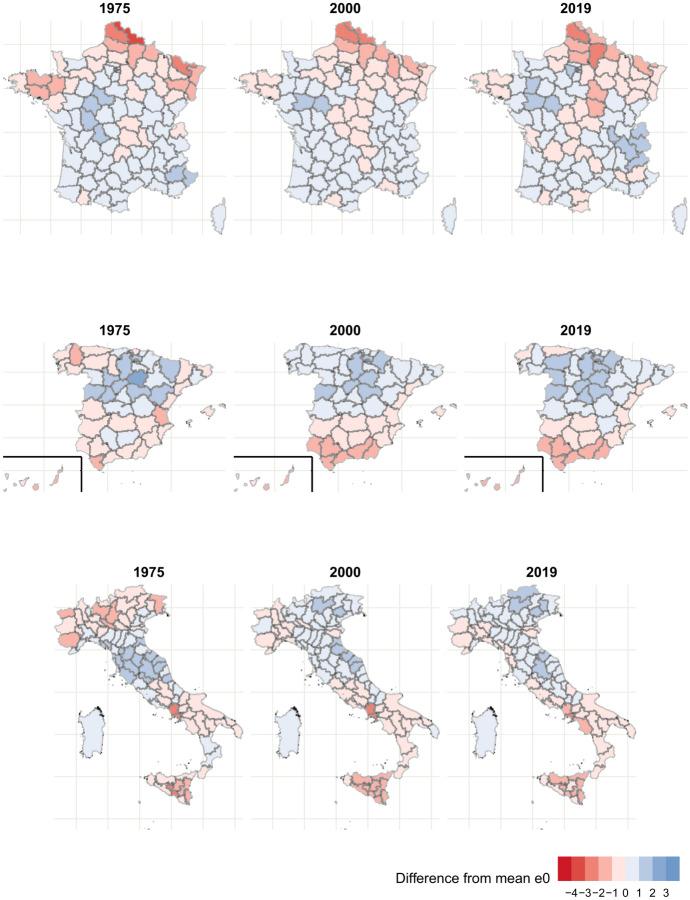
Spatial differences in mortality are a significant source of inequality in low-mortality countries and are important for public health, regional planning, and subnational population forecasts. Long-term trends in geographic mortality inequalities remain poorly understood, especially from a comparative perspective. In this study, we examine trends in subnational mortality differences in France, Italy, and Spain from 1975 to 2019. We study whether life expectancy has converged or diverged between geographic areas, assess how the geographic mortality gradient has changed, and document age-specific differences. We find convergence in life expectancy in all three countries, although the path of convergence varies between countries and sexes. We find concerning evidence of diverging mortality at younger ages in all three countries. Our results show that even in similar national contexts, very different subnational trajectories in mortality inequalities can occur.
死亡率的空间差异是低死亡率国家不平等的一个重要来源,对公共卫生、区域规划和次国家人口预测都很重要。地理死亡率不平等的长期趋势仍鲜为人知,尤其是从比较的角度来看。在本研究中,我们考察了1975年至2019年法国、意大利和西班牙次国家层面的死亡率差异趋势。我们研究了不同地理区域之间的预期寿命是趋同还是分化,评估了地理死亡率梯度是如何变化的,并记录了特定年龄组的差异。我们发现,尽管趋同路径因国家和性别而异,但这三个国家的预期寿命都出现了趋同。我们发现了令人担忧的证据,表明这三个国家在较年轻年龄段的死亡率正在分化。我们的结果表明,即使在相似的国家背景下,死亡率不平等的次国家层面轨迹也可能大不相同。


 Zotero 插件