
改性凹凸棒石对育肥牛日增重、血清指标及血清代谢产物的影响
Effects of Modified Attapulgite on Daily Weight Gain, Serum Indexes and Serum Metabolites in Fattening Beef Cattle.
作者信息
Wang Jiajie, Zeng Hanfang, Weng Hantong, Chang Haomiao, Zhai Yunfei, Huang Zhihui, Chu Chenchen, Wang Haihui, Han Zhaoyu
机构信息
College of Animal Science and Technology, Nanjing Agricultural University, Nanjing 210095, China.
College of Animal Science and Technology, Gansu Agricultural University, Lanzhou 730070, China.
出版信息
Animals (Basel). 2025 Jul 23;15(15):2167. doi: 10.3390/ani15152167.
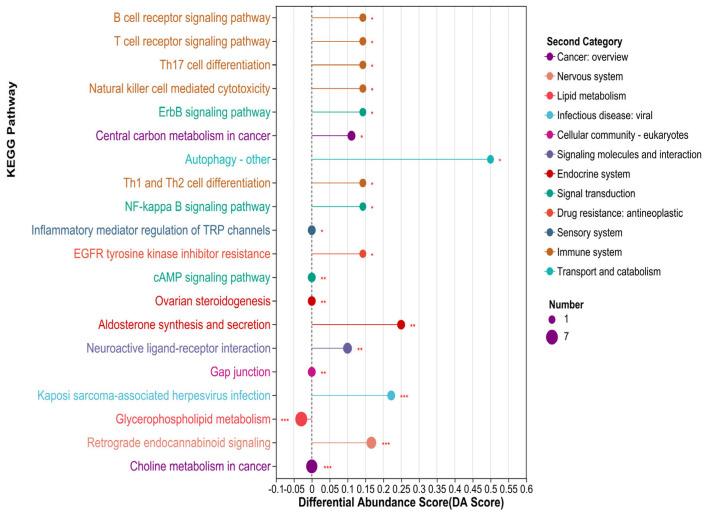
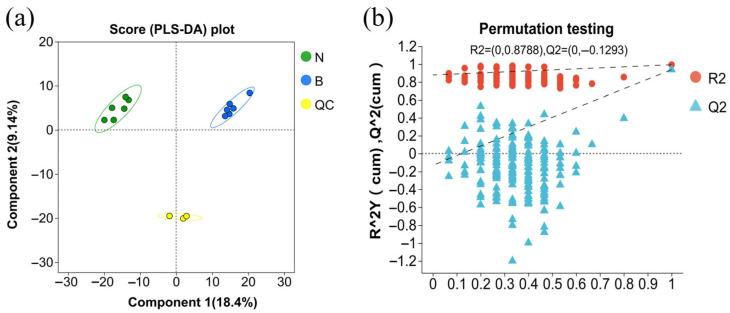
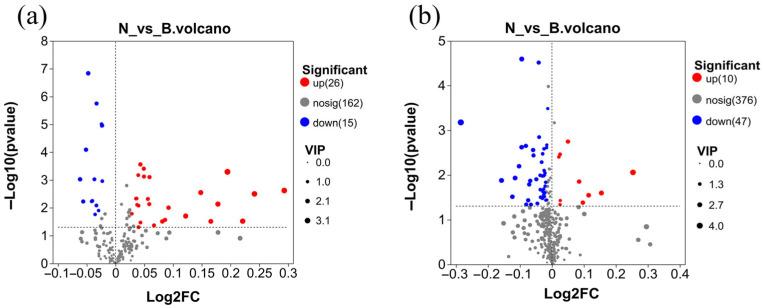
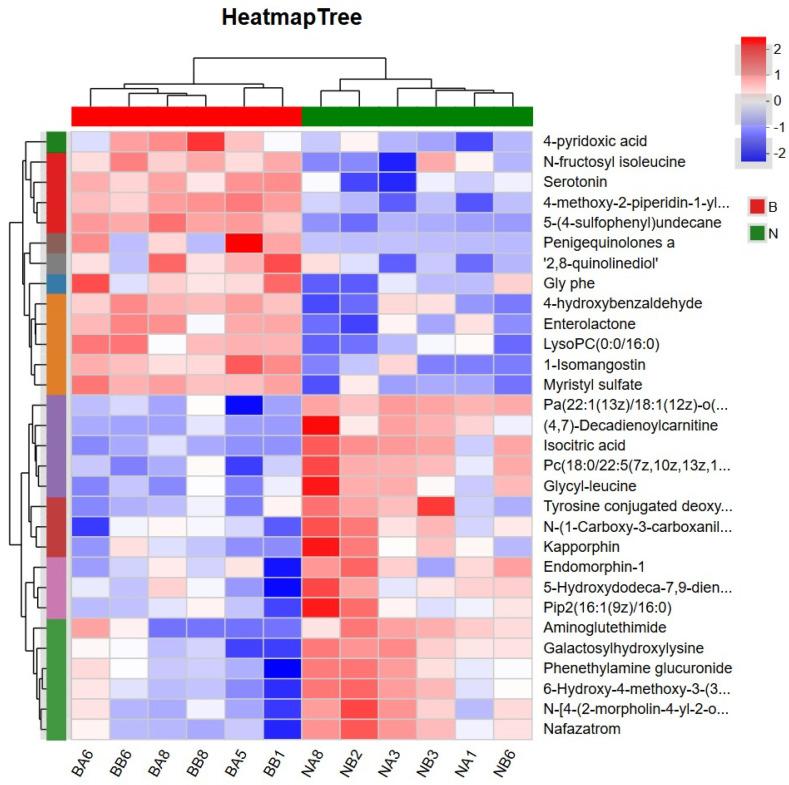
In this study, we investigated the effects of dietary supplementation with thermally modified attapulgite on the daily weight gain, serum biochemical indices, and serum metabolites of Simmental fattening cattle. A total of 30 healthy Simmental fattening beef calves of similar age (8 to 9 months old) and body weight (370 ± 10 kg) were randomly divided into two groups, each containing 15 animals. A control group was fed the basal diet, and a treatment group was fed the same basal diet with the addition of 4 g/kg of thermally modified attapulgite. After 75 days of formal experiment, the calves in the two groups were weighed, and blood samples were collected by tail vein blood sampling for determinations of the serum biochemical indices and serum metabolites using liquid chromatography-mass spectrometry (LC-MS) analysis. The results indicated that the addition of thermally modified attapulgite to the diet had no significant effects on the daily weight gain of fattening beef cattle. After feeding with modified attapulgite, the glutathione peroxidase and superoxide dismutase activities in the serum of the experimental group were 55.02% (257.26 U·mL to 165.95 U·mL, < 0.05) and 13.11% (18.98 U·mL to 16.78 U·mL, < 0.05) higher than that in the control group. Compared with the control group, the tumor necrosis factor-alpha content was reduced by 14.50% (31.27 pg·mL to 36.57 pg·mL, < 0.01), and the concentration of interleukin-6 and lipopolysaccharide decreased by 17.00% (34.33 pg·mL to 41.36 pg·mL, < 0.001) and 23.05% (51.34 EU·L to 66.72 EU·L, < 0.001) in the serum of the experimental group. Contrastingly, the thermally modified attapulgite had no significant effects on the levels of serum total protein, albumin, or globulin in Simmental fattening cattle ( > 0.05). Furthermore, the results of serum metabolomic analyses revealed that there were a total of 98 differential metabolites, which were mainly enriched with respect to glycerophospholipid metabolism, Th1 and Th2 cell differentiation, autophagy-other, retrograde endogenous cannabinoid signaling, and the NF-κB signaling pathway. Overall, thermally modified attapulgite was found to effectively increase the activity of antioxidant enzymes, reduce serum inflammatory mediators, may suppress oxidative damage, enhance immunity, and have a positive influence on the health of Simmental fattening beef calves.
在本研究中,我们调查了日粮中添加热改性凹凸棒石对西门塔尔育肥牛日增重、血清生化指标和血清代谢物的影响。选取30头年龄相近(8至9个月)、体重相似(370±10 kg)的健康西门塔尔育肥牛犊,随机分为两组,每组15头。对照组饲喂基础日粮,试验组在相同基础日粮中添加4 g/kg热改性凹凸棒石。经过75天的正式试验后,对两组牛犊进行称重,并通过尾静脉采血采集血样,采用液相色谱-质谱联用(LC-MS)分析法测定血清生化指标和血清代谢物。结果表明,日粮中添加热改性凹凸棒石对育肥牛的日增重没有显著影响。饲喂改性凹凸棒石后,试验组血清中谷胱甘肽过氧化物酶和超氧化物歧化酶活性分别比对照组高55.02%(从257.26 U·mL降至165.95 U·mL,<0.05)和13.11%(从18.98 U·mL降至16.78 U·mL,<0.05)。与对照组相比,试验组血清中肿瘤坏死因子-α含量降低了14.50%(从31.27 pg·mL降至36.57 pg·mL,<0.01),白细胞介素-6和脂多糖浓度分别降低了17.00%(从34.33 pg·mL降至41.36 pg·mL,<0.001)和23.05%(从51.34 EU·L降至66.72 EU·L,<0.001)。相反,热改性凹凸棒石对西门塔尔育肥牛血清总蛋白、白蛋白或球蛋白水平没有显著影响(>0.05)。此外,血清代谢组学分析结果显示,共有98种差异代谢物,主要富集在甘油磷脂代谢、Th1和Th2细胞分化、自噬-其他、逆行内源性大麻素信号通路和NF-κB信号通路方面。总体而言,发现热改性凹凸棒石能有效提高抗氧化酶活性,降低血清炎症介质水平,可能抑制氧化损伤,增强免疫力,并对西门塔尔育肥牛犊的健康产生积极影响。
 Zotero 插件